Setup & Placement
How to stop birds hitting your windows
The product matters less than the spacing. Gaps of two inches or less, on the outside of the glass — that is the whole rule.
By Scooter M. · Published · Last updated
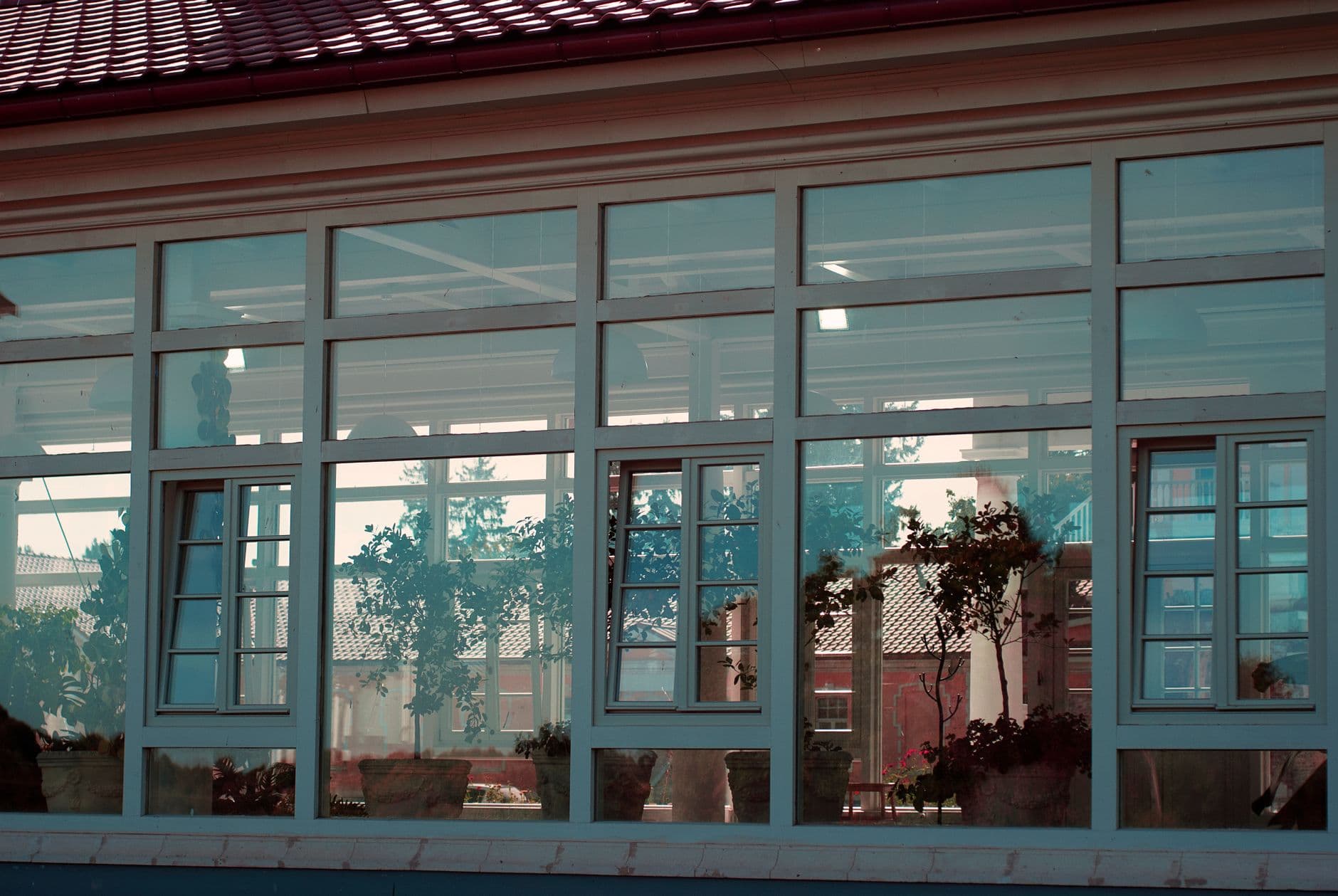
Cover the outside of the problem window with a pattern whose gaps are two inches or less: a roll of CollidEscape BirdTape in a grid is the cheapest way to do it properly. A handful of scattered decals does not work, because a bird flies through the gaps between them.
Seed & Sprig earns a commission when you buy through the links on this page, at no extra cost to you. It does not change which products we pick or the order we put them in — here is how we pick and here is how we are funded.
Quick picks
| # | Product | Best for | Price |
|---|---|---|---|
| 1 | 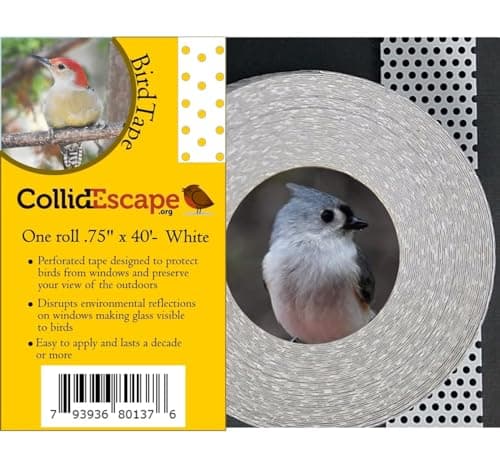 CollidEscape White BirdTape, 3/4" x 40' Translucent tape, cut to the window, applied outside in a grid. The cheap way to do it right. | Best overall | $21.95 · View on Amazon #ad How we are funded · Price as of October 22, 2026 |
| 2 | 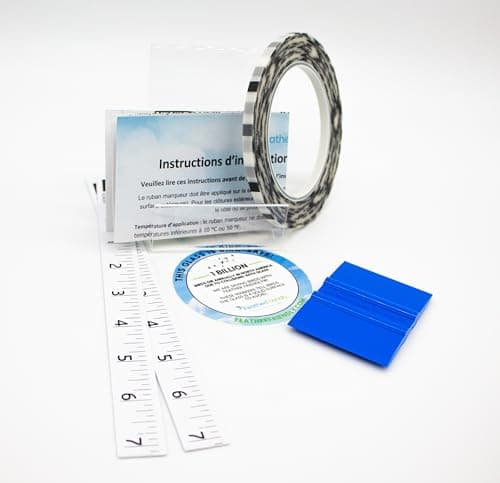 Feather Friendly Bird Collision Deterrent Markers (small-scale DIY, black) The commercial marker system as a DIY roll. The maker publishes 95% reduction at 2-inch spacing. | Best permanent fix | $29.99 · View on Amazon #ad How we are funded · Price as of October 22, 2026 |
| 3 | 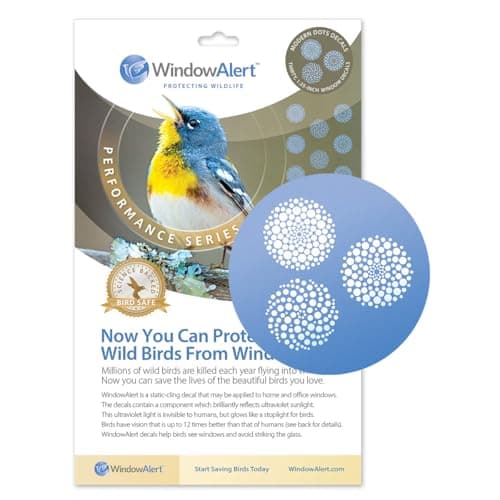 WindowAlert Modern Dots UV Reflective Window Decals, 30-pack Thirty decals. Only works if you use all of them, close together, not four in the middle. | Cheapest way to start | $9.95 · View on Amazon #ad How we are funded · Price as of October 22, 2026 |
| 4 | 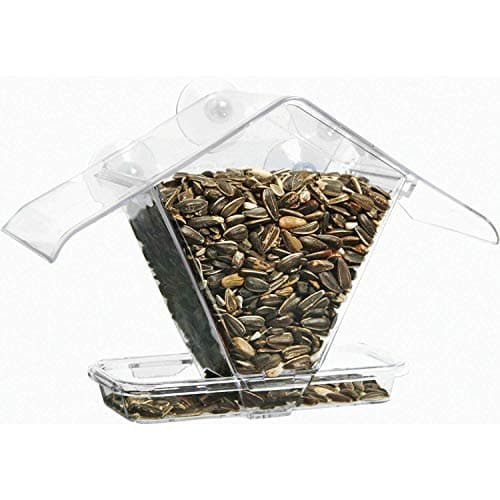 Aspects Window Cafe Window Feeder (model 155) A feeder on the glass sits inside the safe zone, where a startled bird cannot build up speed. | The feeder-side fix |
Rows link to the full write-up further down this page. The price button goes to Amazon.
A feeder makes your windows more dangerous. That is not a reason to take the feeder down, but it is the reason this page exists: you have concentrated birds in a small area and given them a reason to make sudden, panicked, low-altitude flights — usually away from a hawk or a cat — and a pane of glass reflecting trees and sky reads to a bird as somewhere to fly.
The scale is worth stating once. American Bird Conservancy puts it at more than 1 billion birds dying from collisions with glass every year in the U.S. alone. Most of that is not skyscrapers. It is houses.
The good news is that this is one of the few bird problems with a genuinely reliable solution, and it costs about twenty dollars a window.
The rule that decides whether anything works
ABC's guidance for homeowners is specific in a way product packaging almost never is. Three things:
- Spacing. Patterns with vertical, horizontal or diagonal spaces of two inches or less prevent most collisions, provided the markers meet the size rules. Patterns should also be visible from about ten feet away.
- Marker size. Dots should be at least a quarter of an inch in diameter. Decals at least that size, spaced two to four inches apart, should prevent most collisions.
- Which side of the glass. Treatments go on the outside. ABC says placing products inside should be avoided whenever possible.
That third point is the one that quietly ruins most attempts. Markers on the inside of the glass are behind the reflection — the bird sees sky and trees mirrored on the outer surface, and your decals are on the wrong side of the mirror. The treatment has to interrupt the reflection itself.
| Treatment | What it is | Trade-off |
|---|---|---|
| Bird tape | A durable translucent tape applied on the outside of the glass | Visible grid; cheapest; needs redoing every few years |
| Dot markers | Dots at least a quarter-inch across, applied in a close grid | Less visually heavy; more work to apply evenly |
| Hanging cords | Long-lasting hanging cords, installed several ways | Nothing on the glass at all; moves in wind; needs fixing above the window |
| External screens | Full external screens, even on windows that do not open | The most effective and the most involved |
| Solid films or patterns | A uniform solid pattern or solid-color film covering the whole window | Changes the window; right for a window you do not look through |
How we chose these
On published manufacturer specifications and ABC's published guidance, checked against live listings in October 2026 so every pick is currently purchasable. No testing claim: we have not run collision trials, and nobody should trust a site that says it has without showing the method.
Ranking went: can the product be applied at two-inch spacing over a whole pane without costing more than the window; does it go on the exterior; how long does it survive weather; and how visually intrusive is the result. Our full criteria are here.
Tape is the right first purchase
A roll of translucent bird tape is unglamorous and it is what we would buy. The reason is that it makes the two-inch rule easy: you measure, you cut strips, you apply them in a grid, and you can see immediately whether the spacing is right. Dots require more judgment; screens require hardware.
Measure before you order. A 40-foot roll three-quarters of an inch wide covers two to three panes at normal spacing — but “normal” depends on your pane. A large picture window at two-inch spacing eats tape quickly, so work out the number of strips first (window width divided by two inches, plus the verticals if you are doing a grid) rather than discovering it half way up the glass.
The honest downside: you will see it. A grid of white strips on the outside of a window is a visible change to your house, and anyone who tells you a working treatment is invisible is selling you a treatment that does not work. If a window is killing birds, the trade is worth it. If it has never had a strike, you do not need to treat it.
Dots, and the one published number in this category
The dot-marker systems used on commercial glazing are now sold in DIY rolls, and they are the permanent version of the same idea: a carrier tape goes onto the exterior glass, you squeegee it, and peel the tape away leaving a grid of dots behind.
Feather Friendly publishes the figure that everybody else in this category is implicitly relying on: 95% collision reduction using 2” x 2” spacing of visual markers. Treat it as a maker's claim for a marker system at a stated spacing rather than as an independent test of one particular roll — but note that the number is tied to a spacing, which is the right way to make that claim.
It costs more per window than tape and the application is unforgiving: the carrier goes on once, and crooked rows stay crooked. For a window you are not going to re-treat in three years, it is the better buy.
Decals: fine, if you use them the way the rule says
The supermarket answer — a packet of UV-reflective decals — gets a bad reputation it half deserves. The product is not the problem. The problem is that people put up four of them.
A thirty-pack applied at ABC's two-to-four-inch spacing covers a much smaller area than people expect: a small casement, not a patio door. Used properly on a small pane, decals work and are the least visually intrusive option. Used as decoration on a big window, they are a placebo.
One note on the UV claim. Several decal products are sold on being visible to birds in ultraviolet while nearly invisible to us. That is the part of the pitch we would lean on least — ABC's guidance is written in terms of the size and spacing of markers visible from about ten feet, and a pattern you can see is a pattern you can check. If you buy UV decals, space them as if they were ordinary ones.
The free half: where the feeder goes
Before buying anything, move the feeder. The counter-intuitive rule is that there are two safe places for a feeder and the dangerous zone is in between:
- Within three feet of the glass. A bird leaving the feeder cannot build up enough speed to injure itself. This is why window feeders stuck to the pane are safe rather than dangerous.
- More than thirty feet away. Far enough that the window is not part of the bird's immediate flight path when something spooks the flock.
A feeder ten or fifteen feet from a big window is the worst of both: enough runway to hit the glass hard. Our feeder-safety guide covers the distances and the cat half of this problem, and window feeders are compared here.
ABC's advice on triage is also worth following: treat the windows across from feeders, baths and fruiting plants first. You almost always know which pane the problem is.
Doing one window properly, start to finish
- Identify the pane. Strikes cluster. Look for smudges, feather dust or a faint print on the outside of the glass.
- Move the feeder to within three feet or beyond thirty. Free, and it may be enough on its own.
- Measure the pane and work out the strips or dots needed at two-inch spacing. Buy accordingly; one roll is often not enough for a large window.
- Clean the outside of the glass and let it dry. Nothing adheres to a dusty window through a winter.
- Apply to the exterior surface, working to marked spacing rather than by eye. Step back at ten feet: if the pattern reads as a pattern, it is right.
- Check it each spring. Tape lifts, decals shed. A half-failed grid has bird-sized gaps in it again.
What we would buy
- One problem window, sensible money: a roll of bird tape, applied outside in a two-inch grid.
- A window you want fixed for good: the DIY dot-marker roll, at the 2 x 2 spacing the maker publishes its figure for.
- A small pane, or a first try: a thirty-pack of decals, all thirty of them, two to four inches apart.
- Birds at the glass on purpose: a window feeder mounted on the pane, which puts the birds in the zone where a strike cannot do damage.
The thing to take away is that this problem is solved, and the solution is a spacing rather than a product. Two inches, on the outside, across the whole pane. Everything else on this page is a way of achieving that.
The picks in full
#1 · Best overall
CollidEscape White BirdTape, 3/4" x 40'
CollidEscape · Treating a problem window properly for about twenty dollars
A roll of translucent tape you apply to the outside of the glass in a grid. It is the cheap, unglamorous, actually-effective answer: the pattern is what stops the bird, and a roll is enough to pattern two or three panes.
Published specifications
- Roll
- 3/4" wide, 40 feet long
- Coverage
- 2 to 3 panes, per the listing
- Color
- White
- Where it goes
- The outside surface of the glass
- Pattern to aim for
- Gaps of two inches or less, per American Bird Conservancy
What it does well
- A grid of tape at two-inch spacing is what the American Bird Conservancy actually recommends, and it is what the research is about
- Cheap enough to treat the one window that keeps killing birds without a glazing project
- Translucent, so the window still lets light through
- You cut it to the window, which means odd shapes and divided lights are no harder than a picture window
What it does not
- You can see it: a grid of white strips on the outside of the glass is a visible change, and that is the trade
- Applying it is an afternoon with a tape measure, and it looks bad if you rush the spacing
- Tape is not permanent outdoors; expect to redo a window every few years
- Forty feet does not go far at two-inch spacing on a large pane, so measure before you buy one roll
Specifications above come from the manufacturer's own published listing: CollidEscape White Bird Tape for Windows, 3/4" x 40' — published listing, American Bird Conservancy — solutions for homes (two-inch spacing, exterior application, ABC BirdTape).
#ad How we are funded · Price as of October 22, 2026
#2 · Best permanent fix
Feather Friendly Bird Collision Deterrent Markers (small-scale DIY, black)
Feather Friendly · The permanent version, on a window you are not going to re-treat
The marker system used on commercial glazing, sold as a DIY roll: you squeegee a carrier tape onto the outside of the glass and peel it away, leaving a grid of dots. Feather Friendly publishes a 95% collision reduction figure for two-inch spacing.
Published specifications
- Form
- Roll of dot markers on a carrier tape, applied to the exterior glass
- Pack
- 1 roll, black
- Spacing the system is built around
- 2" x 2"
- Published effectiveness
- 95% collision reduction using 2" x 2" spacing of visual markers, per Feather Friendly
What it does well
- The dots are made to stay on exterior glass through weather, which is where tape eventually gives up
- The maker publishes an effectiveness figure tied to a specific spacing, which almost nobody in this category does
- A grid of small dots is visually lighter than a grid of tape strips once it is on
What it does not
- The most expensive option here per window, by some margin
- Application is unforgiving: the carrier tape goes on once, and crooked rows stay crooked
- One small-scale roll treats a modest area, so a wall of glass means several rolls and real money
- The 95% figure is the maker's own, for the marker system at that spacing, not an independent test of this particular roll
Specifications above come from the manufacturer's own published listing: Feather Friendly — published 95% collision reduction figure for 2" x 2" visual marker spacing, Feather Friendly Bird Collision Deterrent Markers, small-scale DIY — published listing.
#ad How we are funded · Price as of October 22, 2026
#3 · Cheapest way to start
WindowAlert Modern Dots UV Reflective Window Decals, 30-pack
WindowAlert · A cheap first try on a window that only occasionally gets hit
Thirty UV-reflective decals, the familiar supermarket answer to bird strikes. They work only if you use enough of them, close enough together — which is the part the packet does not stress and the reason single decals fail.
Published specifications
- Pack
- 30 decals
- Type
- UV reflective, per the listing
- Where they go
- The outside of the glass; ABC says interior application should be avoided where possible
- Spacing that works
- Two to four inches apart for decals at least a quarter-inch across, per American Bird Conservancy
What it does well
- Cheapest entry point in the category, and thirty decals is enough to pattern a small window properly
- Less visually obtrusive than a tape grid, which matters on a window you look through all day
- Easy to apply and easy to remove, so a failed experiment costs ten dollars
What it does not
- Spread thinly, they do not work: a bird flies through a gap, and most people put up four decals and call it done
- Thirty decals at ABC's two-to-four-inch spacing covers a far smaller area than people expect
- UV reflectivity is the selling point, and it is the part of the claim we would lean on least — the spacing of a visible pattern is what the guidance is actually about
- Static decals on an exterior surface shed over time in sun and rain
Specifications above come from the manufacturer's own published listing: WindowAlert Modern Dots UV Reflective Window Decals, 30 pack — published listing, American Bird Conservancy — solutions for homes (decal size and two-to-four-inch spacing, exterior application).
#ad How we are funded · Price as of October 22, 2026
#4 · The feeder-side fix
Aspects Window Cafe Window Feeder (model 155)
Aspects · Apartments, offices, and watching birds from two feet away
A suction-mounted window feeder whose seed reservoir slides out for filling, so you are not wrestling a full feeder through an open window.
Published specifications
- Capacity
- 3/4 quart, per the listing
- Filling
- Slide-out seed reservoir and tray
- Roof
- Clear roof that overhangs the seed tray
- Materials
- UV-protected polycarbonate
- Mounting
- Suction mount; the current listing does not state a cup count
- Dimensions
- Not published on the current listing
- Warranty
- Lifetime guarantee against defects and damage, per Aspects
- Origin
- Made in the USA
What it does well
- The slide-out reservoir means refilling does not mean removing the feeder
- Mounted flush to the glass, it sits in the safest zone for window collisions
- The only feeder type that works for a renter with no yard
What it does not
- Suction cups fail in a hard freeze and need cleaning and re-seating
- Squirrels reach window feeders more often than people expect
- Three quarters of a quart is a small feeder: expect to fill it often in winter
Specifications above come from the manufacturer's own published listing: Aspects Window Cafe (model 155) — published listing (capacity, slide-out reservoir, roof, materials, warranty).
Common questions
How do I stop birds flying into my windows?
Break up the reflection on the outside of the glass with a pattern whose gaps are two inches or less — tape, dot markers, cords or an external screen. American Bird Conservancy says interior application should be avoided whenever possible.
Do window decals actually work?
Only at the right density. ABC says decals at least a quarter-inch across, spaced two to four inches apart, should prevent most collisions. Four decals on a large pane leave bird-sized gaps, which is why they appear not to work.
Should markers go inside or outside the glass?
Outside. The bird is reacting to a reflection on the outer surface, so a marker behind the glass is behind the mirror. ABC recommends exterior treatments and says interior placement should be avoided where possible.
Does a hawk silhouette sticker help?
Not meaningfully. One shape on a pane is one shape; the rest of the glass still reflects sky. The guidance is about the spacing of a pattern across the whole window, not about what the shape depicts.
How far should a bird feeder be from a window?
Either within three feet of the glass or more than thirty feet away. Close in, a startled bird cannot build up damaging speed; far out, the window is not in its escape path. Ten to fifteen feet is the worst distance.
How long do window treatments last outdoors?
Tape and decals are consumables — expect to redo a window every few years, and check each spring, because a grid with gaps in it is a grid a bird can fly through. Dot-marker systems and external screens last considerably longer.
Sources
- American Bird Conservancy — Solutions for homes (two-inch spacing, quarter-inch dots, two-to-four-inch decal spacing, exterior application, bird tape, Acopian BirdSavers, external screens, films)
- American Bird Conservancy — Preventing collisions (more than 1 billion birds a year in the U.S.)
- Feather Friendly — published 95% collision reduction figure at 2" x 2" marker spacing