Feeder Types
Which bird feeder attracts the most birds?
The honest answer is that no single feeder does. Two cheap ones beat any one expensive one.
By Scooter M. · Published · Last updated
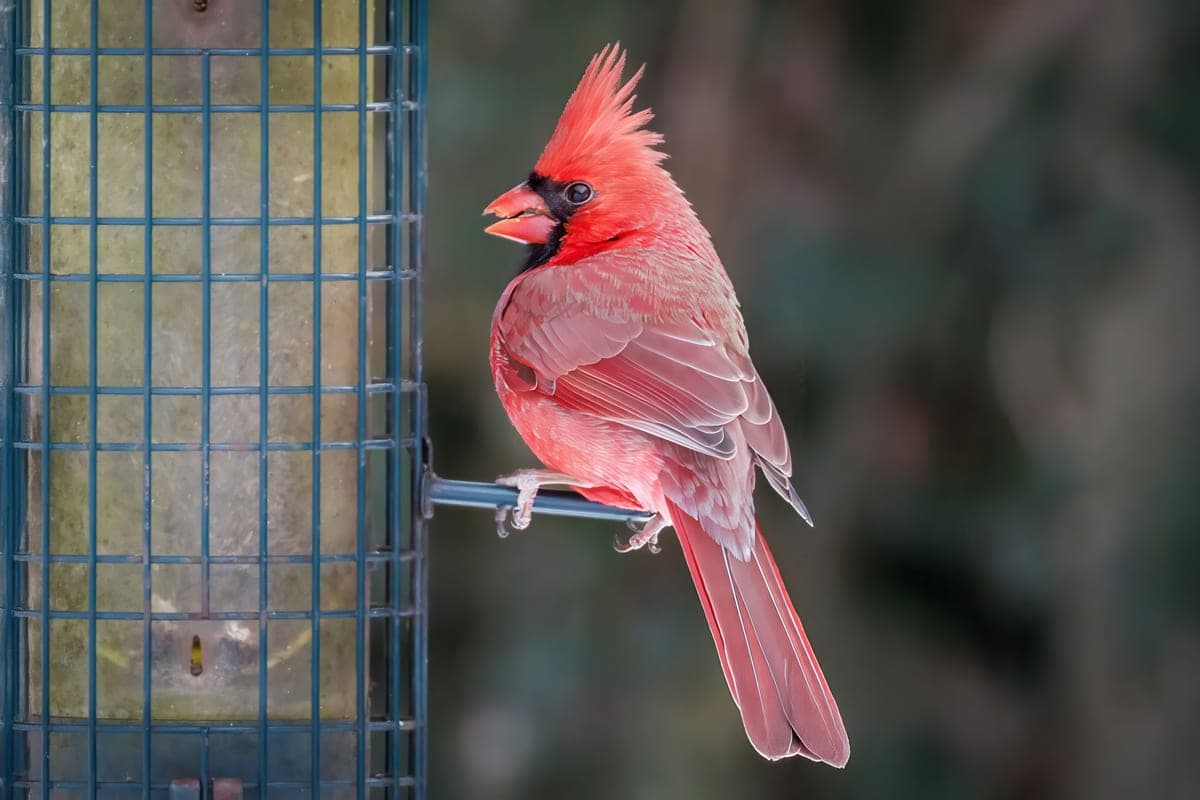
No single feeder attracts the most birds, because each type excludes species by design. The widest variety comes from a tube feeder of black oil sunflower plus an open platform tray, which together serve both small perching birds and the larger ground-feeding species a tube shuts out. Add a suet cage in autumn.
Seed & Sprig earns a commission when you buy through the links on this page, at no extra cost to you. It does not change which products we pick or the order we put them in — here is how we pick and here is how we are funded.
It is a fair question and it gets a bad answer everywhere, because the honest version does not sell a single product. Feeders are filters. Each one is designed to admit some birds and exclude others, so asking which attracts the most is a bit like asking which single key opens the most doors.
What each type excludes
Project FeederWatch is explicit about the mechanism. Tube feeders have short perches that exclude larger birds such as grackles and jays. Small hoppers “attract smaller birds while preventing larger species.” Trays “attract most species of feeder birds,” and near the ground are most likely to attract juncos, doves and sparrows. And a whole group of birds — sparrows, doves and towhees — “will rarely land on a feeder, but they will readily eat fallen seed.”
Read that last sentence again, because it is the crux: some of the birds in your yard are not going to use a hanging feeder at all, no matter which one you buy.
The two-feeder answer
A tube plus an open tray covers both halves of the problem for less money than one premium feeder:
| Feeder | Serves | Would otherwise be missing |
|---|---|---|
| Tube of black oil sunflower | Chickadees, titmice, nuthatches, house finches, goldfinches, downy woodpeckers | — |
| Open platform tray | Cardinals, blue jays, grosbeaks, mourning doves, juncos, sparrows | All of these, on a tube-only setup |
If you have ever wondered why cardinals visit your neighbor and not you, this is usually why. More in platform feeders.
The third item, from October
A suet cage. It brings in woodpeckers, nuthatches and chickadees, and it is the single fastest way to add a genuinely new species to a station that has settled into a routine. Suet feeders here.
What matters more than the feeder
- The seed. A filler-heavy mix reduces variety, because the birds that would eat the good part have to work through the part they will not. Seed picks.
- Cover about ten feet away. Birds that do not feel safe do not feed. Project FeederWatch calls ten feet the compromise between escape cover and squirrel jumping distance.
- Water. In dry weather a shallow dish brings in more species than seed does — including birds that eat no seed at all.
- Time. Variety builds over months, not days. What to expect in the first three weeks.
The limit nobody mentions
You cannot attract a bird that is not there. Range, habitat and season decide who is available; your feeder only decides who stops. If a species has never been recorded in your neighborhood, no feeder and no seed will produce it — and a page that implies otherwise is selling you something.
What we would buy for this
#1 · Item one: the tube
Droll Yankees Onyx Clever Clean 18" Sunflower Tube Feeder
Droll Yankees · A plain, well-made first tube feeder
A straightforward polycarbonate tube whose base twists off in seconds, which is the single feature that decides whether a feeder gets cleaned or quietly turns into a health problem.
Published specifications
- Seed capacity
- 2 lb
- Height
- 18"
- Feeding ports
- 4
- Materials
- UV-stabilized polycarbonate tube; powder-coated metal cap, base and ports
- Cleaning
- Twist-and-release removable base; one-touch top opening
What it does well
- The removable base turns cleaning from a chore into a two-minute job
- Metal ports resist squirrel chewing better than all-plastic tubes
- Short perches keep grackles and jays off without excluding finches
What it does not
- No squirrel mechanism at all, so this feeder needs a baffle or a pole
- Four ports fill up quickly at a busy station
Specifications above come from the manufacturer's own published listing: Droll Yankees Onyx Clever Clean published specifications.
#2 · Item two: the tray
Nature's Way Cedar Platform Tray Feeder (CWF3)
Nature's Way · Cardinals, jays, doves and anything that will not use a tube
An open cedar tray with a removable screen bottom, which is the honest answer for the big ground-feeding birds a tube feeder quietly excludes.
Published specifications
- Dimensions
- 12" x 12" x 2.25"
- Capacity
- 3 quarts
- Materials
- Premium cedar, stainless steel screws, powder-coated galvanized steel seed tray
- Drainage
- Removable screen tray for drainage and airflow
What it does well
- Cardinals and jays use it immediately; they often will not use a small tube port
- The screen bottom drains, which is the difference between a tray and a puddle
- Nothing to break, and it cleans in a minute
What it does not
- Completely open to squirrels, so this one belongs on a baffled pole or nowhere
- Seed is exposed to rain even with drainage, so put out small amounts
Specifications above come from the manufacturer's own published listing: Nature's Way CWF3 published specifications.
#3 · Item three: the suet cage
Nature's Way Tail-Prop Suet Feeder (CWF1)
Nature's Way · Woodpeckers, including the big ones
A single-cake suet cage with an extended cedar back panel that gives a woodpecker somewhere to brace its tail, which is the difference between a visit and a feeding session.
Published specifications
- Dimensions
- 12" H x 7.875" L x 3" W
- Capacity
- 1 standard suet cake
- Materials
- Premium cedar with rust-free hardware
What it does well
- The tail prop is not marketing: woodpeckers brace their tails when they feed
- One cake at a time means suet does not sit out going rancid
What it does not
- The open cage is easy for squirrels and starlings
- Holds one cake, so it needs refilling in cold weather
Specifications above come from the manufacturer's own published listing: Nature's Way CWF1 published specifications.
Common questions
Which bird feeder attracts the most birds?
A tube and an open tray used together. Between them they serve the small perching birds and the larger ground-feeding species a tube excludes.
Do I need more than one bird feeder?
For variety, yes — two cheap feeders of different types beat one expensive one. For a first setup, start with one and add the second once it is working.
What attracts the widest range of birds?
Black oil sunflower seed, which Project FeederWatch calls the preferred food of a wide variety of birds, served somewhere both small and large birds can reach.