Care & Season
How to clean a bird feeder
The least interesting page on this site and the most important one. Dozens of birds share this surface every day.
By Scooter M. · Published · Last updated
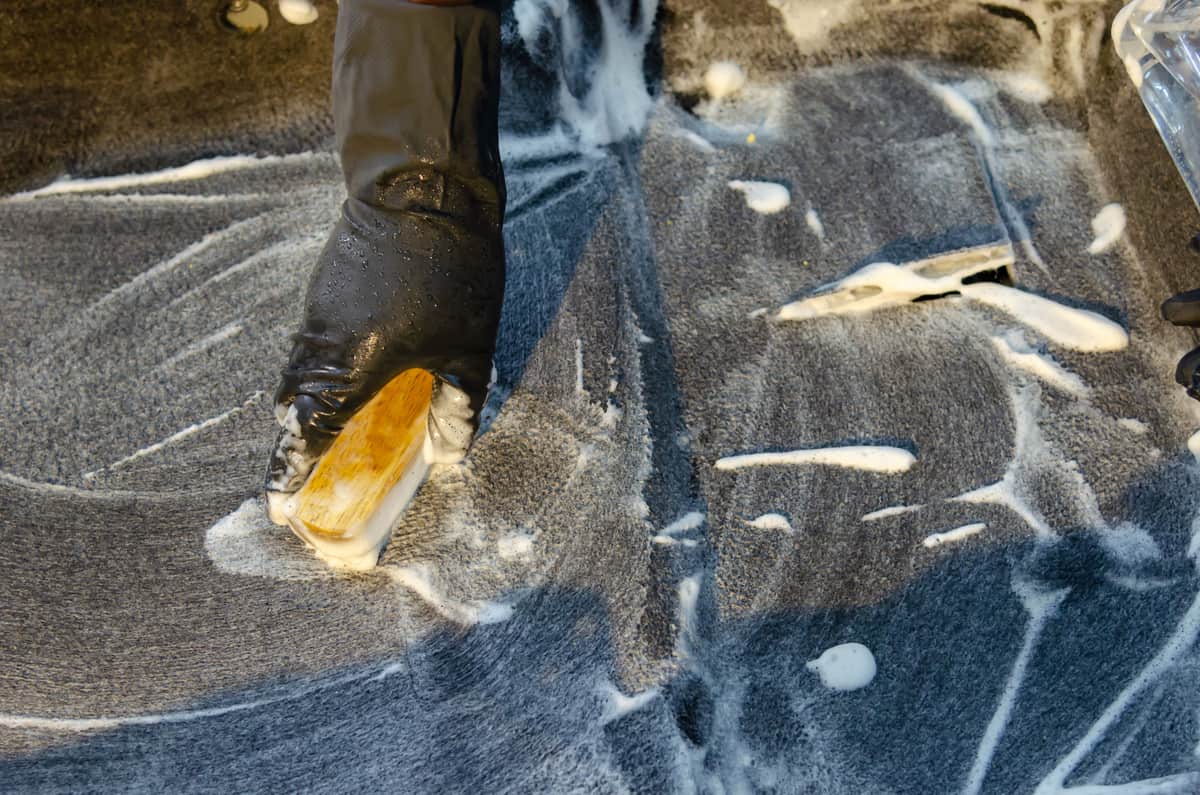
Clean seed and suet feeders every week or two, and more often in heavy use or wet weather. Scrub out all the old seed, then soak the cleaned parts for ten minutes in one part bleach to nine parts water, rinse, and dry completely before refilling. Boiling water or diluted vinegar are alternatives.
A feeder is a shared food surface used by dozens of animals a day, in the rain. That is the whole argument for cleaning it, and it is the reason this is not optional maintenance.
The schedule
Project FeederWatch recommends cleaning seed and suet feeders every week or two, and more often during periods of heavy use or wet weather. Nectar feeders are a different regime entirely — ideally every refill, or every couple of days.
Pick a fixed day. “When it needs it” means never; “the day the bins go out” means every week.
The dilution
One part bleach to nine parts water, soaking the cleaned parts for ten minutes. Project FeederWatch also gives boiling water or a diluted vinegar solution as alternatives.
Two practical notes: soak after scrubbing, because disinfectant does not work through a layer of seed sludge, and rinse thoroughly afterwards.
The five steps
- Empty it completely. All of it, including the seed dust in the bottom corner, which is where the damp lives.
- Take it apart. This is why a removable base matters so much: a feeder you cannot open does not get cleaned, whatever your intentions.
- Scrub with hot soapy water. A bottle brush for tubes, a small brush for ports. Physically removing the film is the part that does most of the work.
- Soak for ten minutes in one part bleach to nine parts water, then rinse thoroughly.
- Dry completely before refilling. Filling a damp feeder undoes everything you just did.
Also clean these
- The ground underneath. Rake out old hulls and dropped seed monthly. That layer hides spoiled seed and attracts rodents — see here.
- The seed tray, if you have one. Birds stand on it, so it collects droppings as well as hulls.
- Water dishes. As often as the feeder, at minimum.
- Your hands. Wash them afterwards. This is a sensible precaution with any wildlife feeding station.
Feeder design decides whether this happens
| Feeder | Realistic clean time | Why |
|---|---|---|
| Tube with removable base | About 2 minutes | Twist off, brush through, soak, dry |
| Tube with molded base | 15 to 20 minutes | Nothing reaches the bottom corner properly |
| Screen-bottom tray | About 1 minute | Lift the screen out and rinse |
| Large hopper | 10 minutes and some determination | More corners, more seed, harder access |
| Suet cage | About 2 minutes | Little to it, but fat residue needs hot water |
This is the practical case for buying on cleanability rather than capacity — covered here, with the specific feeders that come apart in your hands in the easiest bird feeders to clean.
Signs it is overdue
- Seed clumping in the bottom, or a dark ring inside the tube.
- A musty or sour smell when you open it.
- Sprouting seed in the tray.
- Birds visiting less than they were, with no other explanation — work through this.
If you see a sick bird
A bird that looks puffed up, lethargic, or has crusted or swollen eyes is a reason to act immediately: take the feeders down, clean and disinfect everything thoroughly, and leave them down for a couple of weeks so the birds disperse rather than continuing to meet at your feeder.
It feels drastic. It is the right call, and it is why the cleaning schedule exists in the first place. More on the broader duty of care in keeping birds safe.
Storage counts too
A spotless feeder filled from a damp bag is not a clean feeder, and neither is a clean feeder left out in the rain — keeping seed dry in the feeder is the other half of this job. Keep seed sealed, cool and dry, and buy about a month at a time — how to store bird seed.
Common questions
How often should you clean bird feeders?
Every week or two, and more often in heavy use or wet weather, per Project FeederWatch.
How do you disinfect a bird feeder?
Scrub it first, then soak the cleaned parts for ten minutes in one part bleach to nine parts water. Rinse and dry completely. Boiling water or diluted vinegar also work.
When should I change the bird seed in my feeder?
Whenever it clumps, smells sour or musty, or has been rained into. In wet weather that can be weekly.
Can dirty bird feeders make birds sick?
Yes. A shared surface used by dozens of birds a day is a transmission route, which is why the cleaning schedule and the take-it-down rule for sick birds both exist.