Hub
Bird feeder types, and which one you actually need
Ten feeder types exist. A beginner needs one, maybe two. This is how to tell which.
By Scooter M. · Published · Last updated
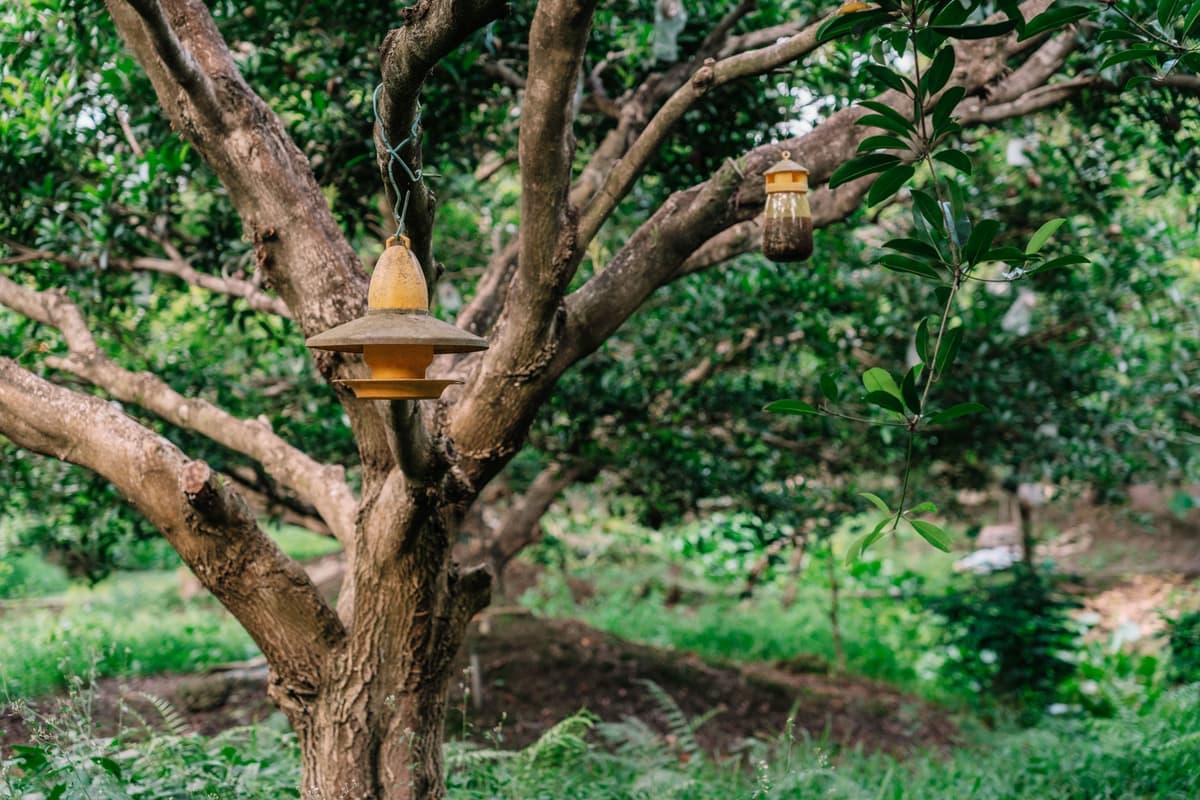
Buy one tube feeder or one hopper feeder filled with black oil sunflower seed. Those two types serve the widest range of backyard birds. Add a suet cage in the fall and a platform tray if you want cardinals. Everything else on this page is a later decision, not a first one.
A feeder is not a general-purpose object. Each type is a decision about which birds get to eat and which do not, and about how much of your seed ends up in a squirrel. The store shelf does not explain this, so here is the whole picture in one place before you spend anything.
The one-table version
Feeder descriptions and the species each type attracts come from Cornell Lab of Ornithology's Project FeederWatch. The squirrel column is ours, and it is a judgment about the design, not a test result.
| Type | What goes in it | Who eats there | Squirrel exposure |
|---|---|---|---|
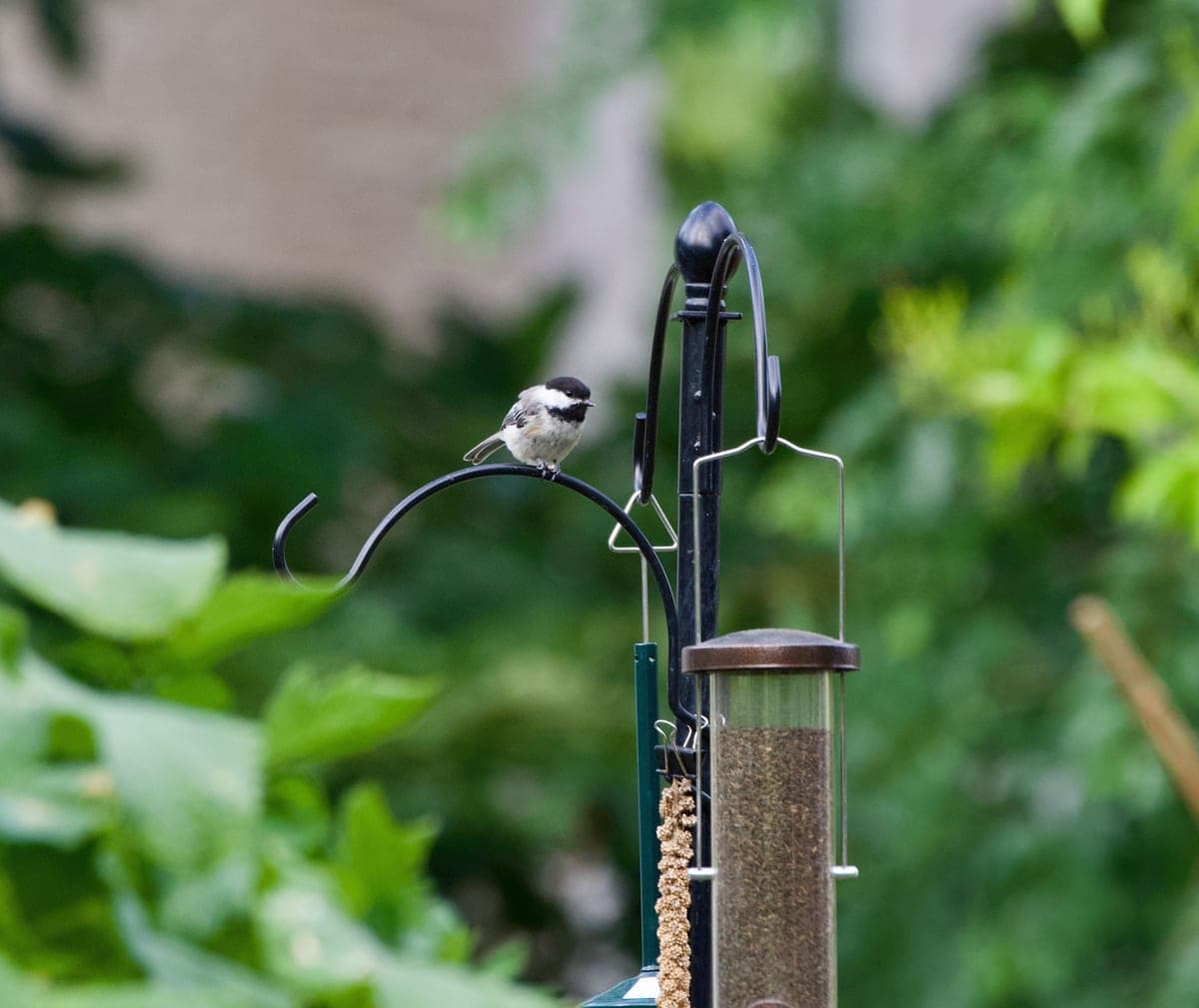
| Tube | Black oil sunflower, mixed seed | Finches, chickadees, titmice, nuthatches. Short perches keep grackles and jays off. | High unless baffled or weight-closing |
| Hopper | Sunflower, safflower, mixed seed | Most feeder species; large hoppers also let in doves and grackles | High, unless it has counterweighted perches |
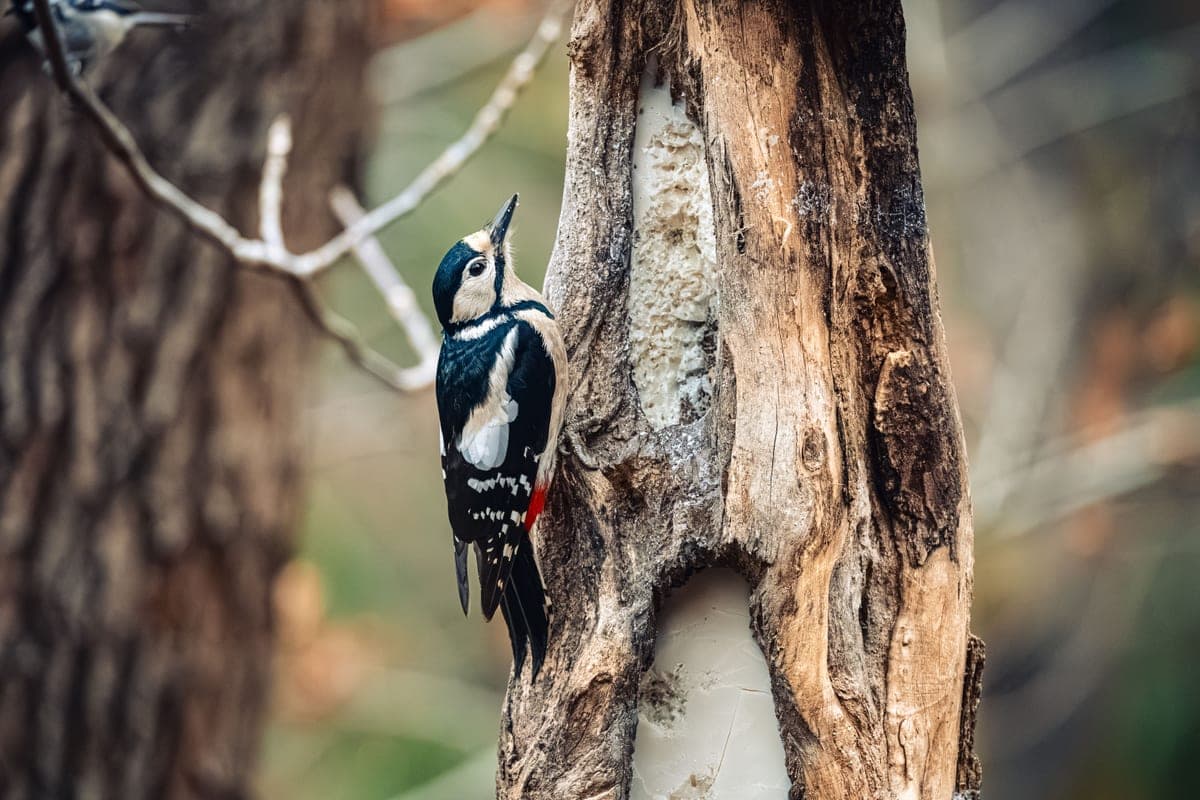
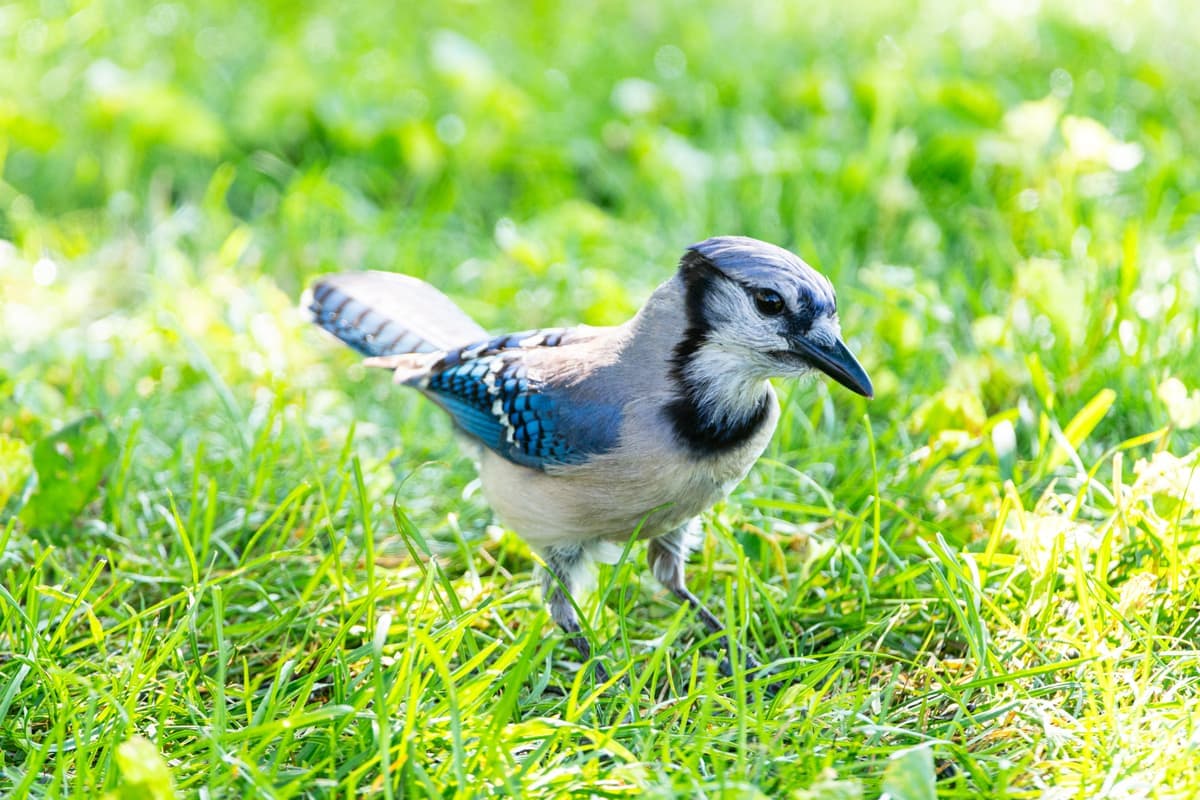
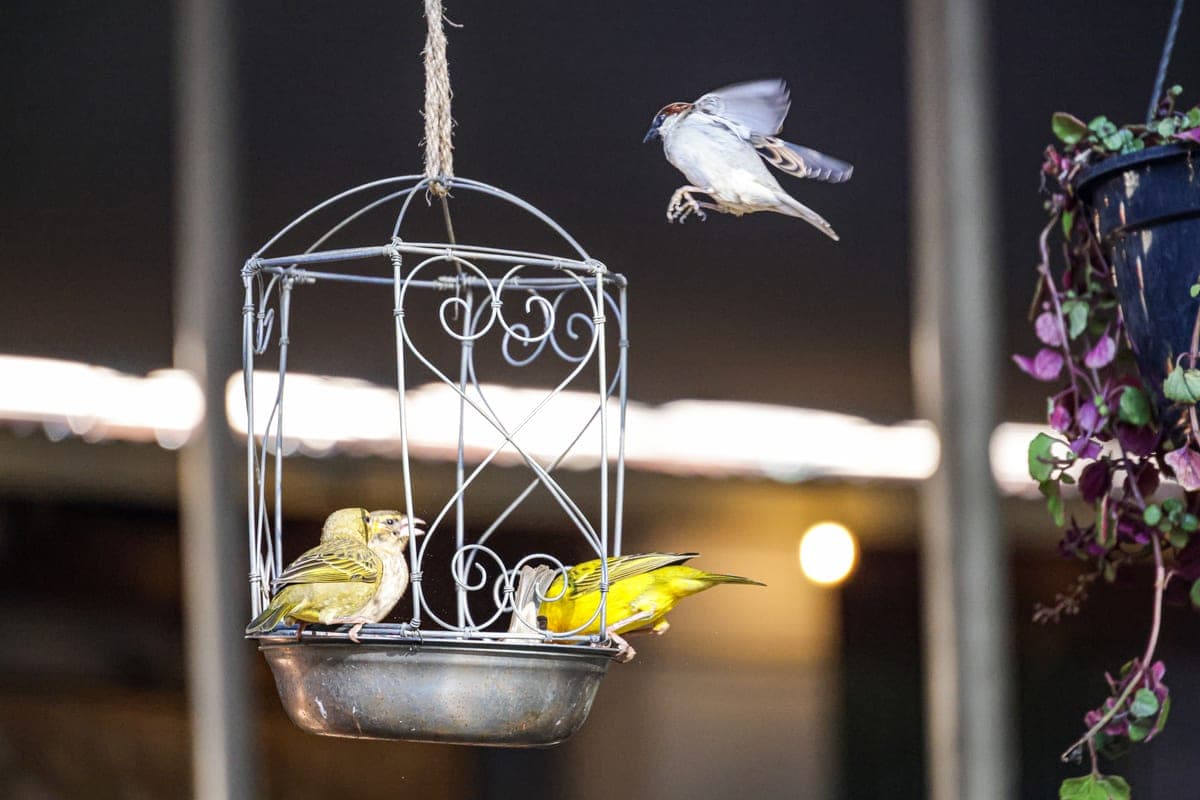
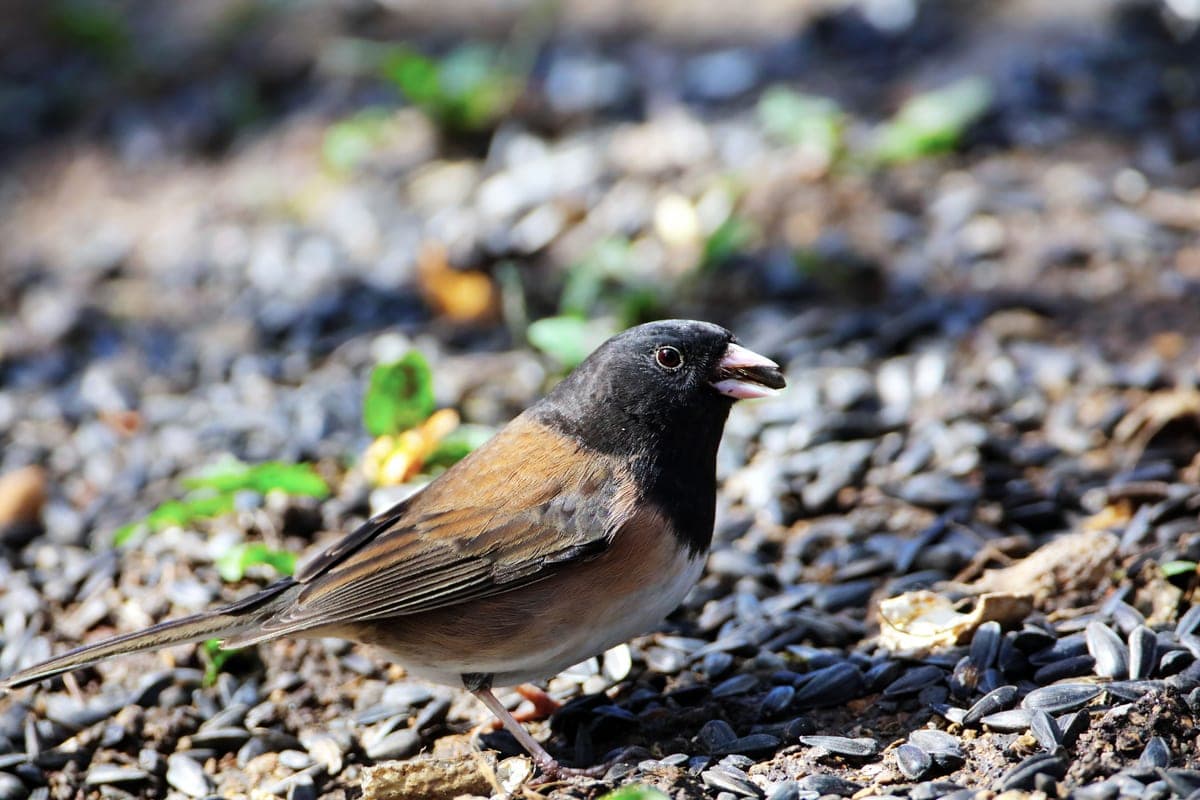
| Platform / tray | Anything, in small amounts | Cardinals, jays, doves, juncos, sparrows | Total. This one needs a baffled pole |
| Suet cage | Suet cakes, no-melt dough | Woodpeckers, nuthatches, chickadees | High, and raccoons like it too |
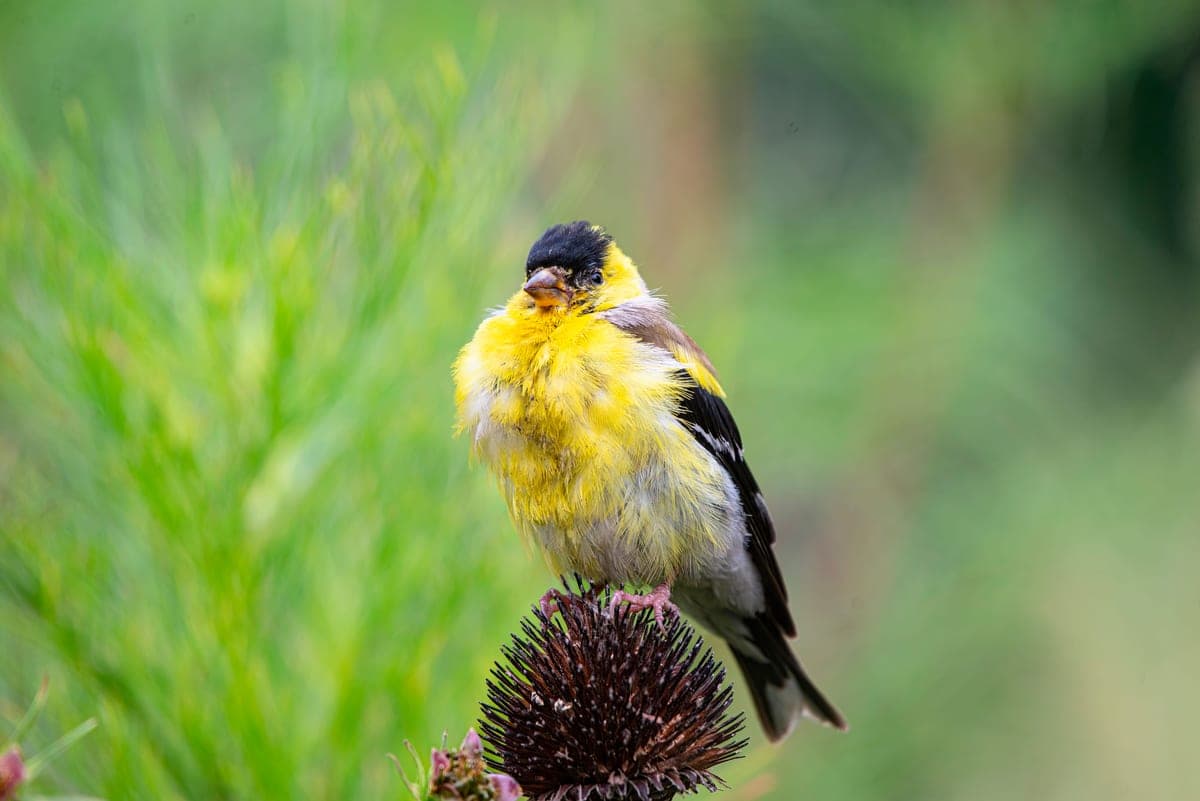
| Finch / nyjer | Nyjer (thistle) only | Goldfinches, siskins, redpolls | Low. Squirrels mostly ignore nyjer |
| Window | Small amounts of sunflower or mix | Chickadees, finches, titmice | Medium, and depends entirely on your wall |
| Peanut | Shelled or in-shell peanuts | Woodpeckers, jays, titmice, nuthatches | The highest of any feeder |
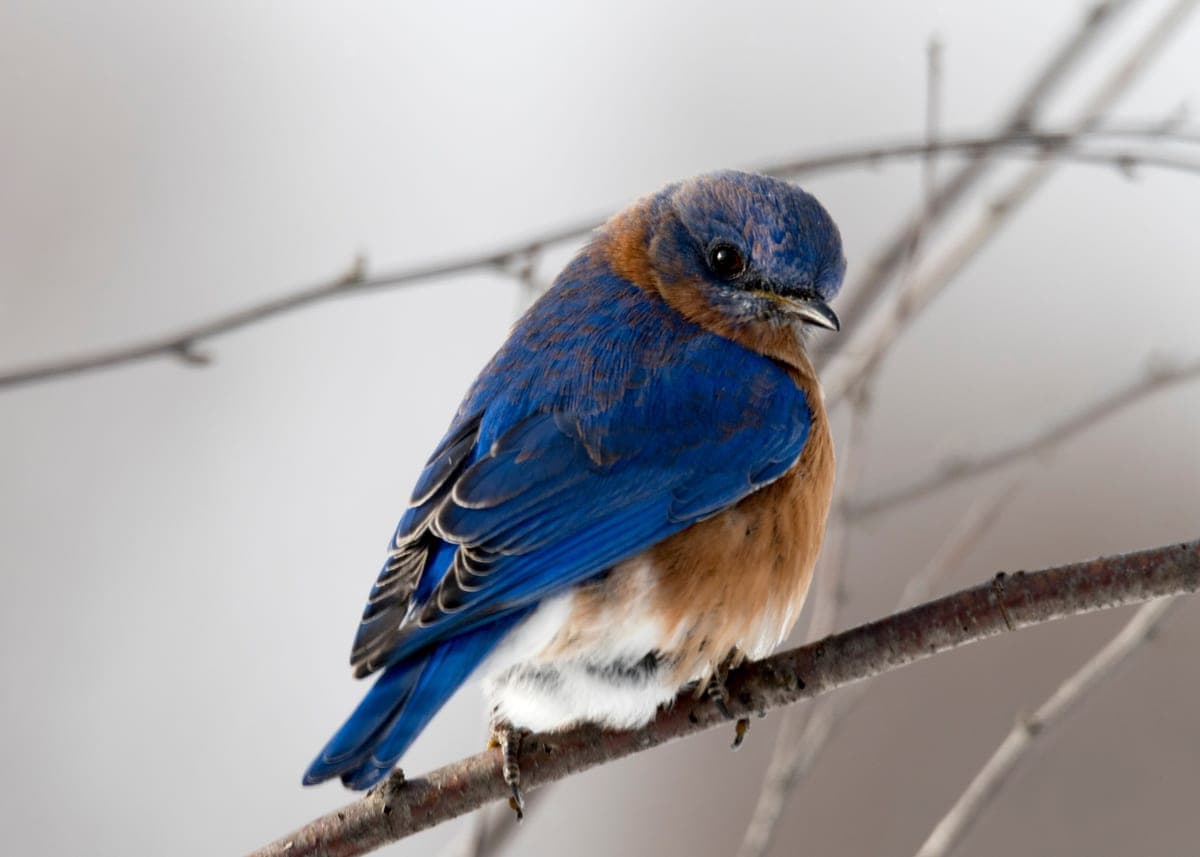
| Mealworm dish | Dried or live mealworms | Bluebirds, wrens, robins | Low, but starlings are the real problem |
How to choose in about a minute
If you want the most birds for the least thought, buy a tube feeder and fill it with black oil sunflower. Project FeederWatch calls black oil sunflower the preferred food of a wide variety of birds, and a tube keeps it dry. That combination is the reason nearly every experienced feeder-watcher still runs one.
If your yard has cardinals and you want them, a tube alone will disappoint you. Cardinals are heavy-bodied and want somewhere to stand. Add a platform tray or run a hopper with a long perch rail.
If you are starting in the fall or winter, add a suet cage. Suet is the highest-energy thing you can put out and it brings in woodpeckers, which are the birds most likely to make somebody new to this actually stop and look.
If you have no yard, your options are a window feeder or a rail-mounted small tube. Both work. See feeding on a balcony.
If doves are pacing around under the feeder, they are not being patient — a tube gives them nowhere to stand. They, and the juncos and sparrows working the same ground, need a flat tray and cheaper seed: feeders for mourning doves and the ground crowd.
If you want the sugar birds, that is a separate kit and a separate season. Nectar and jelly feeders are higher-maintenance and worth it: hummingbird feeders and oriole feeders are spring and summer purchases rather than autumn ones.
The thing nobody tells you first
Which feeder you buy matters less than where you hang it. A cheap tube on a properly baffled pole, ten feet from the nearest fence, will lose less seed to squirrels than an expensive weight-closing feeder hanging off a branch. The distances are specific and they are published — Duncraft's 5-7-9 rule is the clearest version — and we walk through them in where to hang a bird feeder.
So: pick a type from the table, then read the placement guide before you drill anything. If squirrels are already the problem you are trying to solve, start with whether anything is really squirrel-proof instead — the answer changes what you buy.
What each feeder costs you in maintenance
Every feeder has a cleaning cost, and it is the part beginners underestimate. Project FeederWatch recommends cleaning seed and suet feeders every week or two, and more often in heavy use or wet weather. Tube feeders with a removable base take about two minutes. Tube feeders without one take twenty and therefore never get cleaned. Platform trays with a screen bottom rinse in seconds. Big hoppers are the worst offenders, because twelve pounds of seed can sit damp in the bottom for a month.
Buy for the cleaning, not just the capacity. Which designs come apart in your hands is set out in the easiest feeders to clean, and the method itself is in how to clean a bird feeder.
Everything in Feeder Types
Every page in this section, with the top pick and its price where there is one.
Comparison
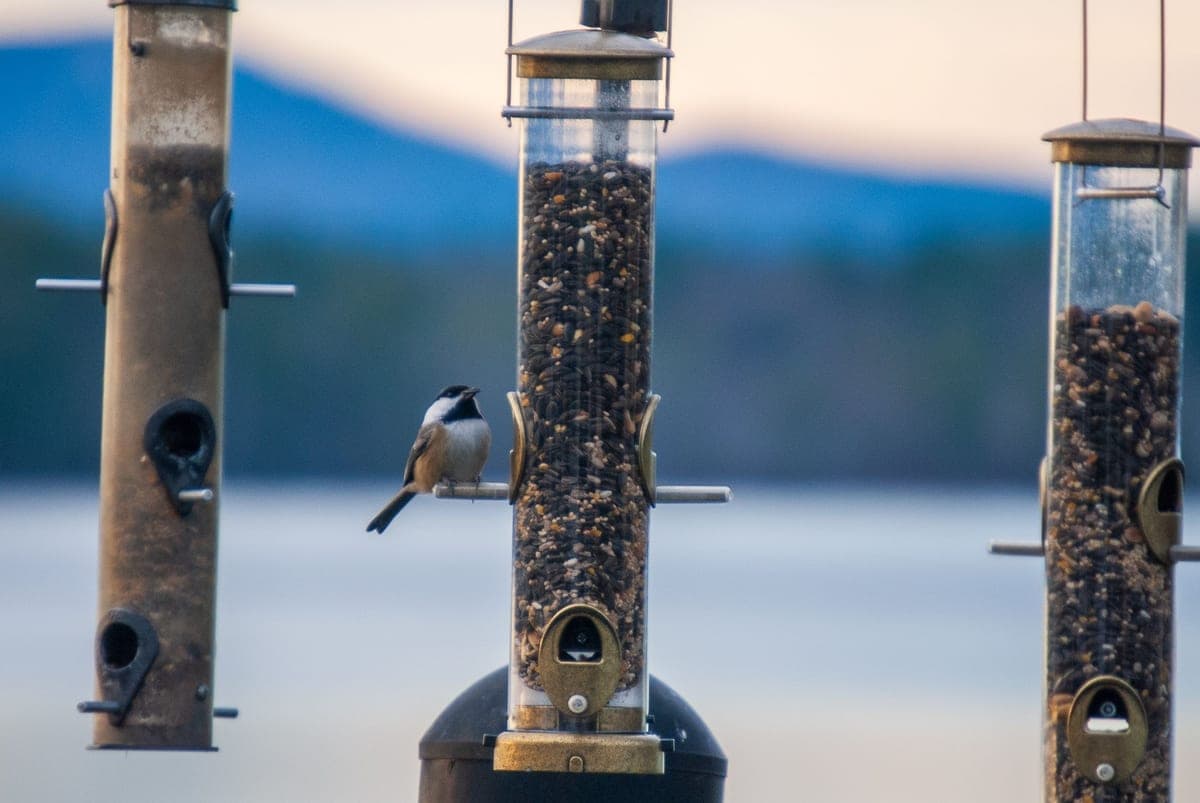
Tube feeders: the default first feeder
The default first feeder: what a tube does well, which birds it admits and excludes, and why the removable base matters most.
Top pick · Best overall tube
Droll Yankees Onyx Clever Clean 18" Sunflower Tube Feeder
Comparison
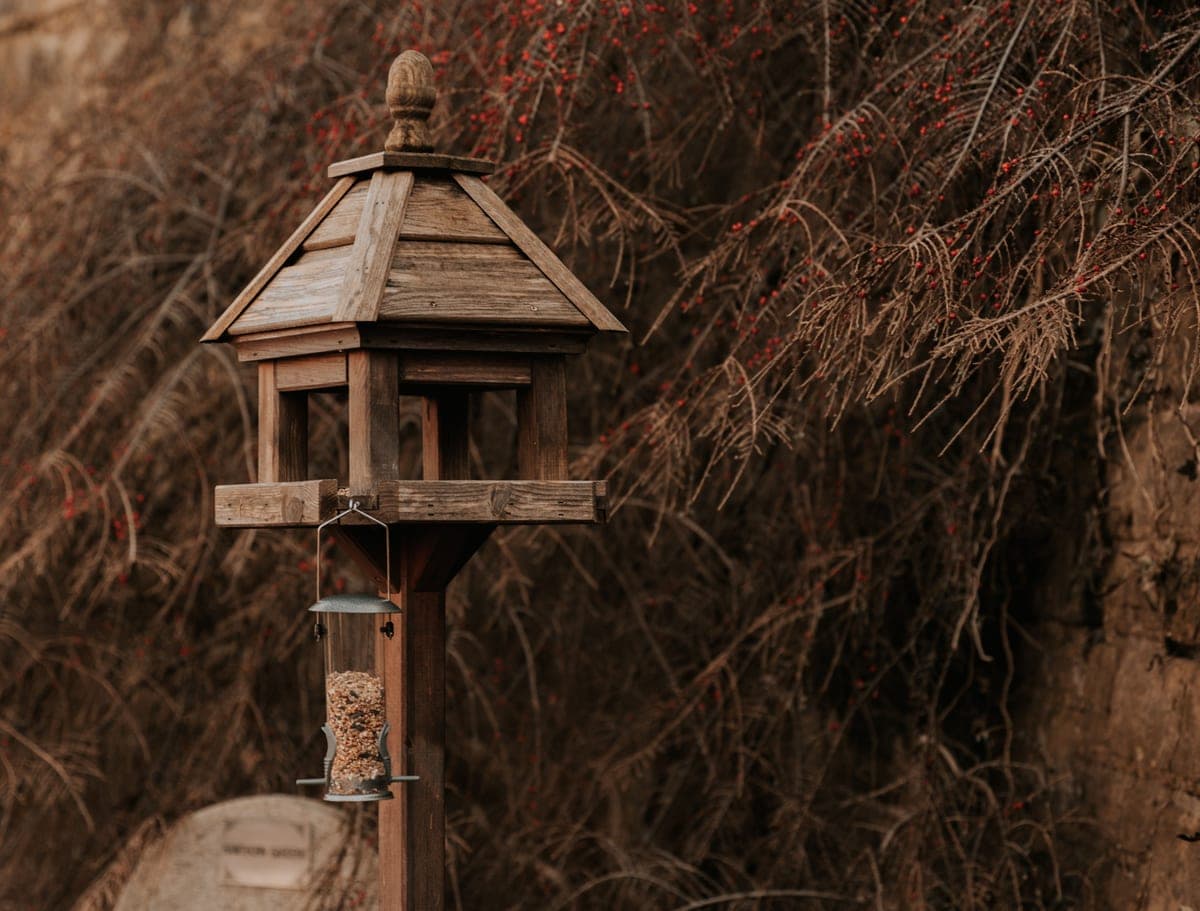
Hopper feeders: capacity, roof and a perch to stand on
Big capacity, a roof over the seed, and a perch cardinals can stand on — plus the mold risk that comes with holding twelve pounds.
Top pick · Best overall hopper
Woodlink Absolute II (model 7536)
#ad How we are funded · Price as of October 22, 2026
Comparison
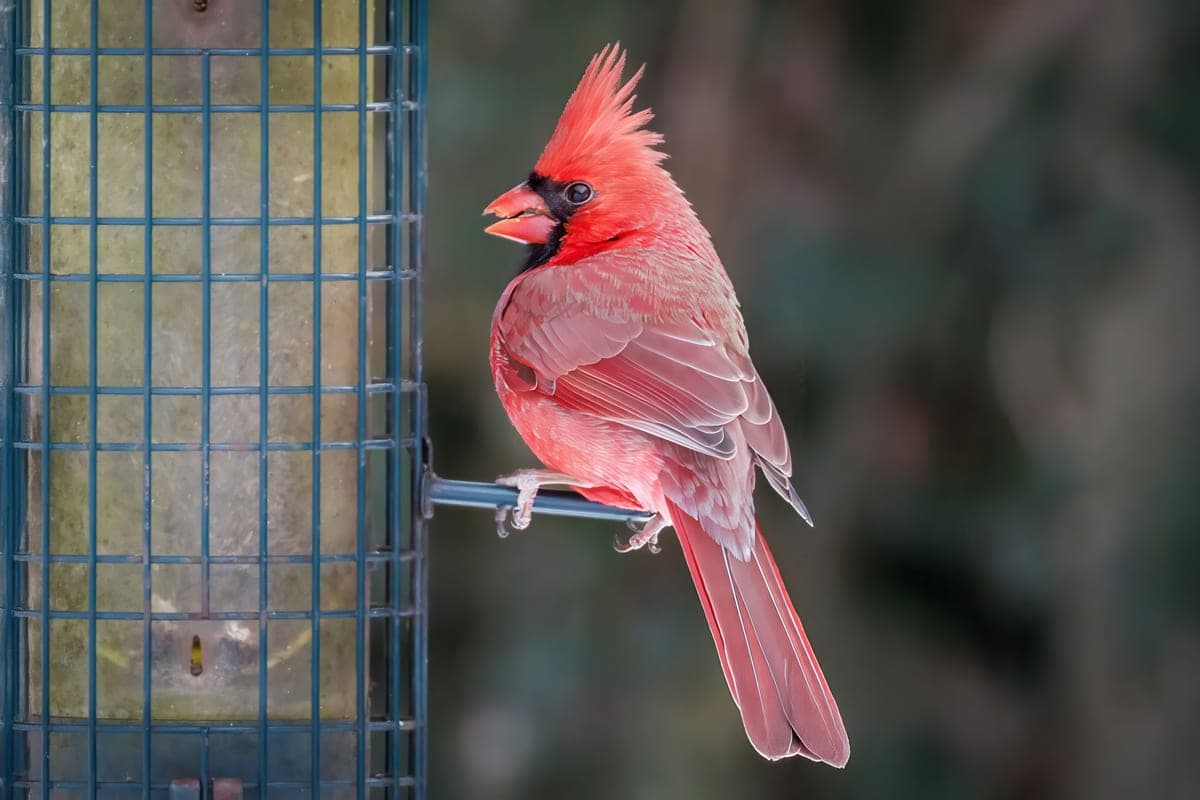
Platform feeders, and the cardinals you have been missing
The open tray: the most inclusive feeder there is, the one cardinals will use, and the one that most needs a baffled pole.
Top pick · Best platform tray
Nature's Way Cedar Platform Tray Feeder (CWF3)
Comparison
Suet feeders: cages, tail-props and upside-down
Tail-prop, upside-down and standard cages compared — which woodpeckers need which, and how to stop starlings emptying it.
Top pick · Best for woodpeckers
Nature's Way Tail-Prop Suet Feeder (CWF1)
Comparison
Finch feeders, and the nyjer they need
Narrow-port tube or mesh sock, why nyjer needs both, and the stale-seed problem behind most ignored finch feeders.
Top pick · Best finch feeder
Droll Yankees Onyx Clever Clean 18" Finch Feeder
Comparison
Window feeders: birds at arm's length
Suction-cup feeders for renters and apartments, why they are the safest place for a feeder, and how to get birds to use one.
Top pick · Best window feeder
Aspects Window Cafe Window Feeder (model 155)
Comparison
Peanut feeders
Shelled or in-shell, mesh or spiral, why peanuts need a mechanism more than any other food, and the mold risk to take seriously.
Top pick · Best peanut feeder
Brome Squirrel Buster Nut Feeder
#ad How we are funded · Price as of October 22, 2026
Comparison
Mealworm feeders and the birds that ignore seed
The feeder for insect-eating birds: dried versus live, dish design, portion control, and keeping starlings out of it.
Top pick · The food
Kaytee Dried Mealworms
#ad How we are funded · Price as of October 22, 2026
Comparison
Caged feeders: exclusion by size
Exclusion by size rather than weight: what a cage keeps out, what it costs you, and the mesh gap that decides whether it works.
Top pick · Best cage-style feeder
Brome Squirrel Buster Classic
#ad How we are funded · Price as of October 22, 2026
Comparison
Feeders with seed catcher trays
Catch trays: less mess, an extra perch for big birds, and the drainage requirement that decides whether one helps or hurts.
Top pick · Best tray
Nature's Way Cedar Platform Tray Feeder (CWF3)
Roundup
The best bird feeders, one per type
One winner per feeder type — tube, hopper, platform, suet, finch, window and squirrel-resistant — with the reason each wins its category.
Top pick · Best tube feeder
Droll Yankees Onyx Clever Clean 18" Sunflower Tube Feeder
Guide
Which bird feeder attracts the most birds?
Why two cheap feeders beat one expensive one for variety, and the three-item setup that covers nearly every backyard species.
Top pick · Item one: the tube
Droll Yankees Onyx Clever Clean 18" Sunflower Tube Feeder
Guide
Bird feeder materials, and which parts must be metal
Metal where squirrels chew, polycarbonate or cedar for the body — what each material survives, and the combinations that fail.
Top pick · Best material mix
Droll Yankees Onyx Clever Clean 18" Sunflower Tube Feeder

Guide
DIY bird feeders vs buying one
Which homemade feeders genuinely work, which do not, and the two things DIY almost never gets right.
Top pick · The one worth buying anyway
Nature's Way Cedar Platform Tray Feeder (CWF3)
Roundup
The best bird feeders for cardinals
Tray, hopper, a squirrel-resistant feeder with a cardinal ring, two seeds and a baffle — what cardinals need, and why a plain tube feeder never gets one.
Top pick · Best feeder for cardinals
Nature's Way Cedar Platform Tray Feeder (CWF3)
Roundup
The best bird feeders for woodpeckers
Tail-prop, upside-down, peanut and combination feeders ranked for woodpeckers — plus what to do when starlings or squirrels find the suet.
Top pick · Best feeder for woodpeckers
Nature's Way Tail-Prop Suet Feeder (CWF1)
Roundup
The best bird feeders for blue jays
Tray, peanut feeder, hopper and seed ranked for blue jays — and an honest section on what happens to your other birds when jays move in.
Top pick · Best feeder for blue jays
Nature's Way Cedar Platform Tray Feeder (CWF3)
Comparison
Ground feeders, and the case against them
What ground-feeding birds need, why FeederWatch advises against spreading seed on the ground, and the low screened tray that gets you the birds without the problems.
Top pick · Best low tray
Nature's Way Cedar Platform Tray Feeder (CWF3)
Roundup
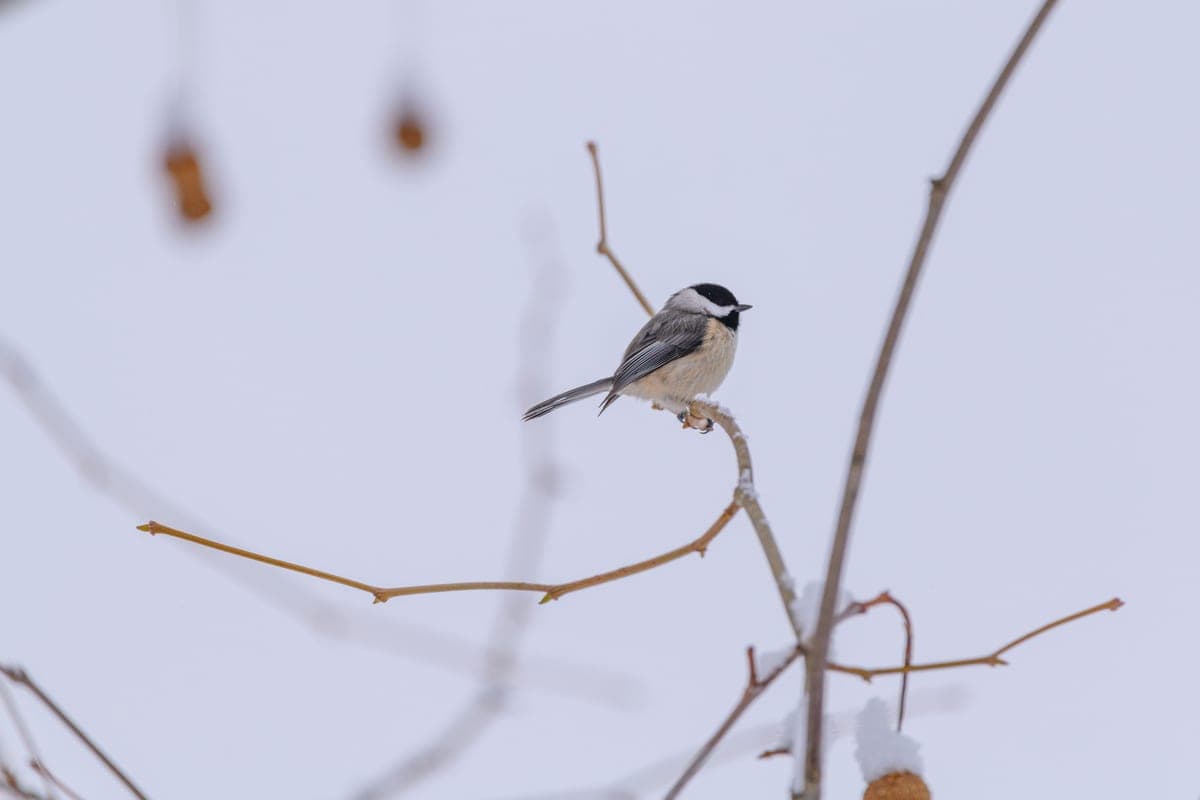
The best bird feeders for chickadees
Tube, mesh, suet and peanuts ranked for chickadees, titmice and nuthatches — the small clinging birds that arrive first and stay all year.
Top pick · Best feeder for chickadees
Droll Yankees Onyx Clever Clean 18" Sunflower Tube Feeder
Roundup
Bird feeders with cameras
Smart feeders compared on published specs only — resolution, solar, capacity, subscription — and an honest account of what a camera does not solve.
Top pick · Best overall
Bird Buddy Pro Solar Smart Bird Feeder
#ad How we are funded · Price as of October 22, 2026
Comparison
Bird Buddy, reviewed honestly
What the Bird Buddy listing publishes, what it leaves out, who it genuinely suits, and the cheaper purchase that serves most first-time buyers better.
Top pick · The one most people mean
Bird Buddy Pro Solar Smart Bird Feeder
#ad How we are funded · Price as of October 22, 2026
Roundup
The best bird feeders for bluebirds
Why seed never works for bluebirds, what an enclosed mealworm feeder actually does, and the honest odds of getting them at all.
Top pick · Best bluebird feeder
Kettle Moraine Cedar Hanging Bluebird Mealworm Feeder
#ad How we are funded · Price as of October 22, 2026
Roundup
The best bird feeders for winter
Roofs, port icing and the capacity trade — which feeders survive a freezing yard, and the one purchase that beats all of them in a hard freeze.
Top pick · Best winter feeder
Perky-Pet Squirrel-Be-Gone II Country Style Feeder
#ad How we are funded · Price as of October 22, 2026
Comparison
Bird Buddy vs Birdfy
Price, camera, solar and subscriptions compared for the two best-known smart feeders, from published specifications only.
Top pick · Better value
NETVUE Birdfy AI Smart Bird Feeder Camera, Solar
#ad How we are funded · Price as of October 22, 2026
Roundup
The best wooden bird feeders
Five cedar feeders compared on capacity, drainage and cleaning, and an honest account of what wood costs you.
Top pick · Best overall
Woodlink Audubon Cedar Ranch Feeder (NARANCH3)
#ad How we are funded · Price as of October 22, 2026
Comparison
Woodlink Absolute II review
Twelve pounds, six ports, an adjustable weight mechanism — and an honest account of what that capacity costs you.
Top pick · The feeder reviewed
Woodlink Absolute II (model 7536)
#ad How we are funded · Price as of October 22, 2026
Roundup
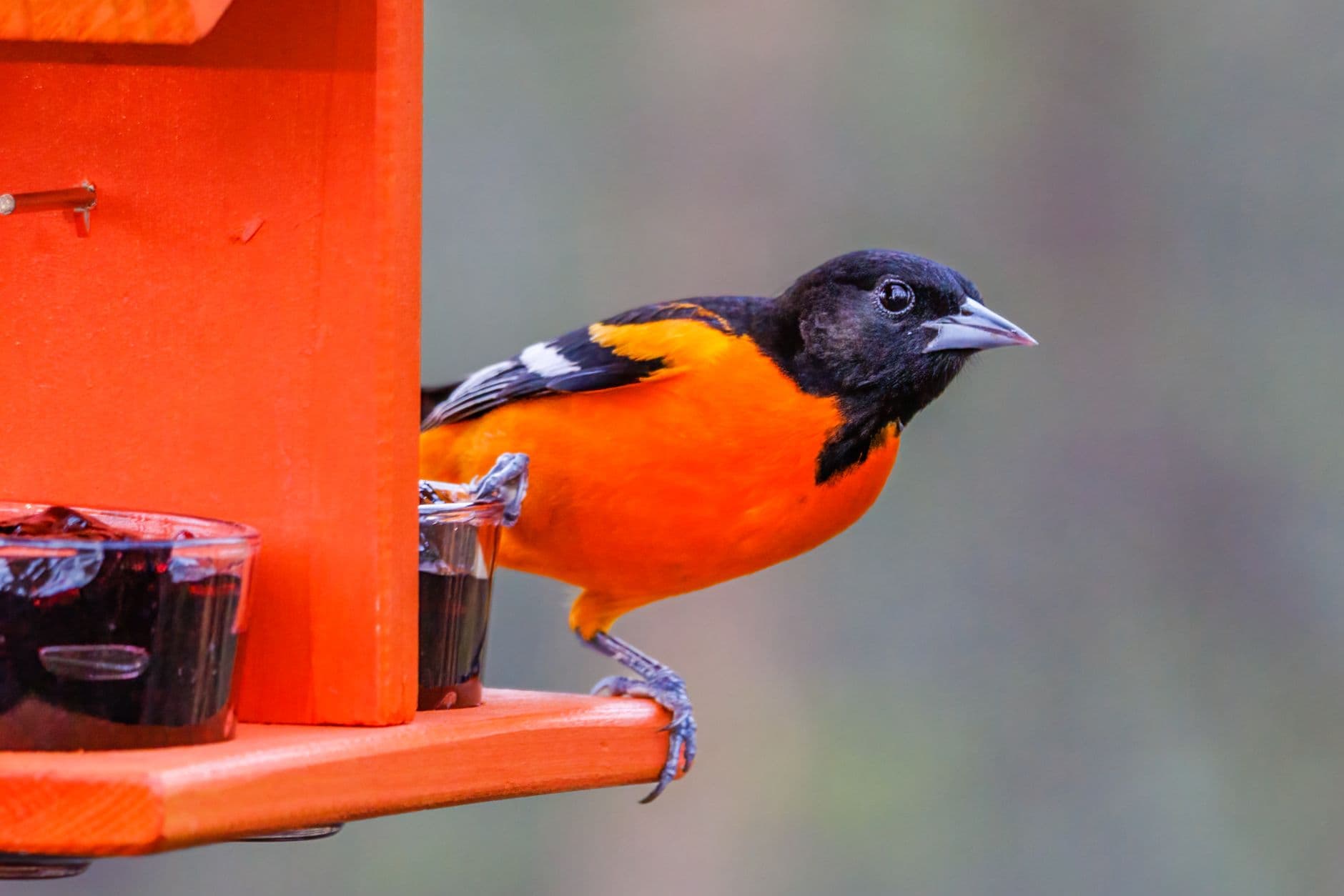
Oriole feeders, and which food actually works
Jelly, sugar water or orange halves — which oriole feeder serves which, the ant problem nobody warns you about, and the week to hang it out.
Top pick · Best overall
Birds Choice Oriolefest Oriole Feeder
#ad How we are funded · Price as of October 22, 2026
Roundup
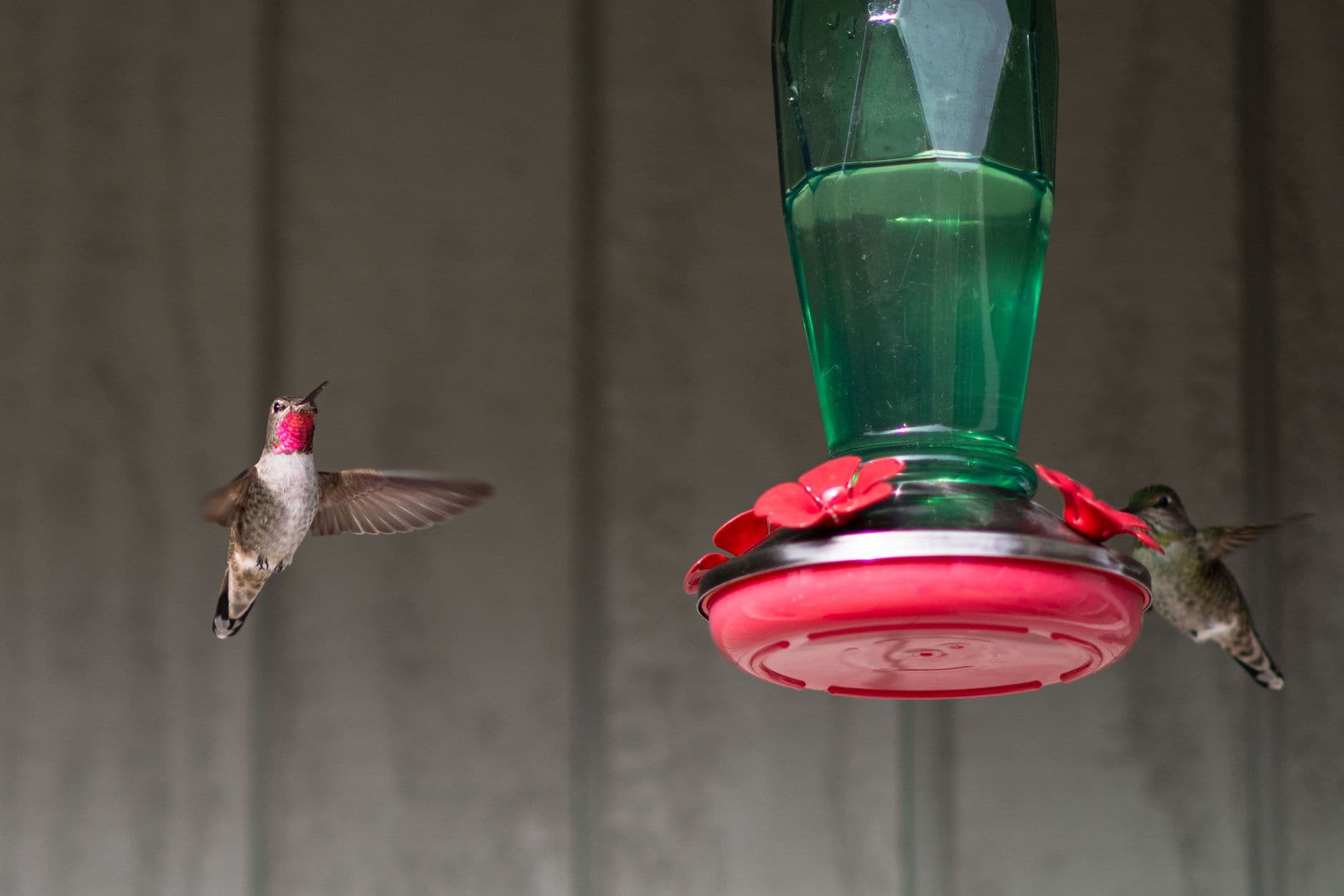
Hummingbird feeders, and the saucer-or-bottle decision
Saucer versus bottle, the one-to-four nectar rule, why you clean every few days, and four feeders that are worth the money.
Top pick · Best overall
Aspects HummZinger Excel Hummingbird Feeder (item 143)
#ad How we are funded · Price as of October 22, 2026
Roundup
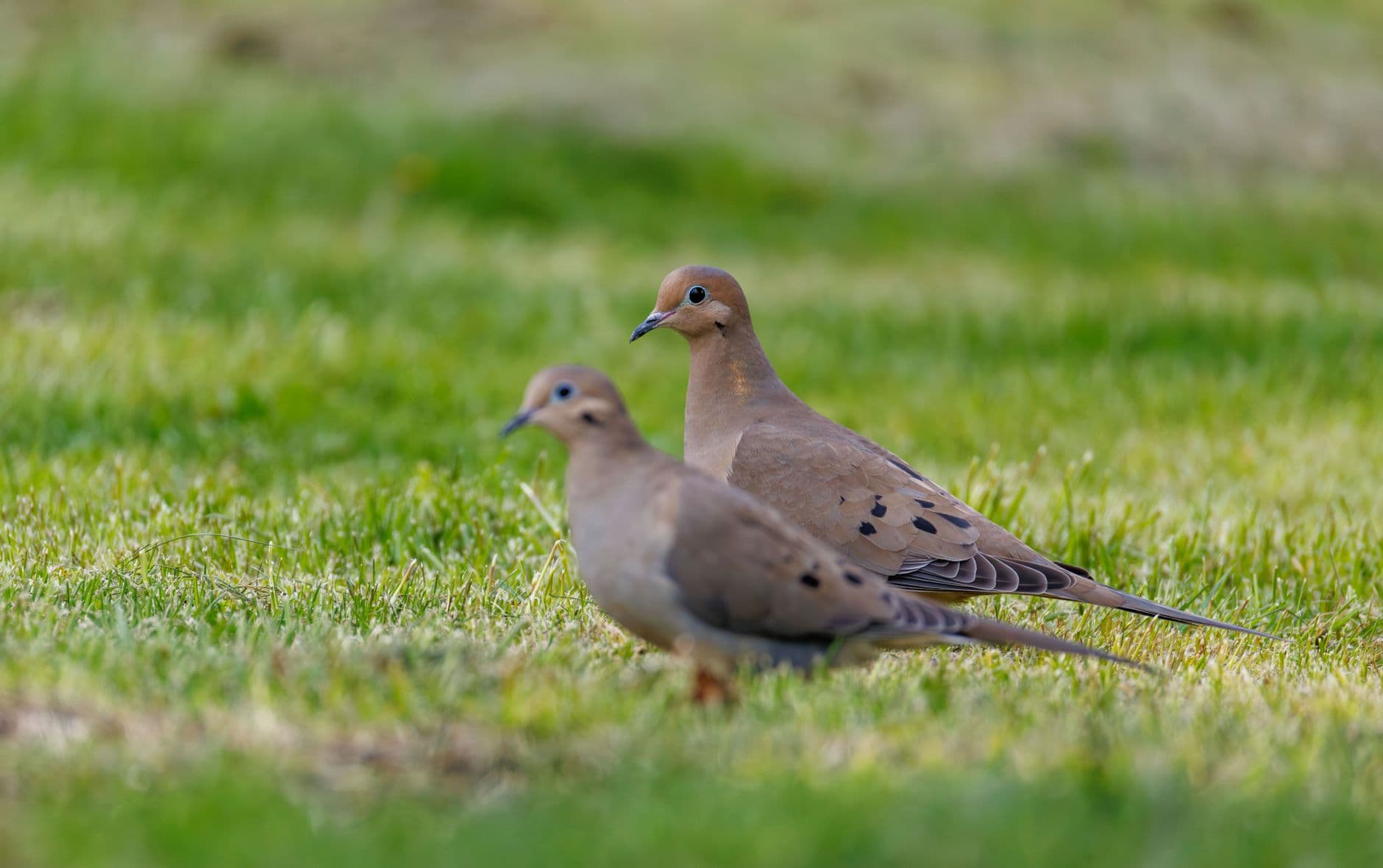
Bird feeders for mourning doves and the ground crowd
Why doves ignore your tube feeder, the tray and the seed that bring them in, and the one placement rule that keeps rodents out of it.
Top pick · Best overall
Wild Wings Cedar Hanging Tray Feeder (WWCF23)
#ad How we are funded · Price as of October 22, 2026
Common questions
What is the best bird feeder type for beginners?
A tube feeder filled with black oil sunflower seed. It suits the widest range of small birds, keeps seed dry, and the good ones take a removable base so cleaning is quick. See our beginner picks.
How many bird feeders should I start with?
One. Get one feeder working — birds finding it, seed staying dry, squirrels handled — before adding a second. Two feeders that both have problems is twice the frustration, not twice the birds.
Do I need different feeders for different birds?
Eventually, yes. Nyjer needs a narrow-port finch feeder, suet needs a cage, and cardinals want a flat surface. But one tube of sunflower will feed most of what visits a typical yard.
Are expensive bird feeders worth it?
Sometimes. What you buy with money is a squirrel mechanism, a removable base for cleaning, and metal parts instead of chewable plastic. What you do not buy is more birds — that comes from seed choice and placement, both of which are free.