Setup & Placement
Keeping birds safe at your feeder
Feeding birds comes with a duty of care. Two rules cover most of it.
By Scooter M. · Published · Last updated
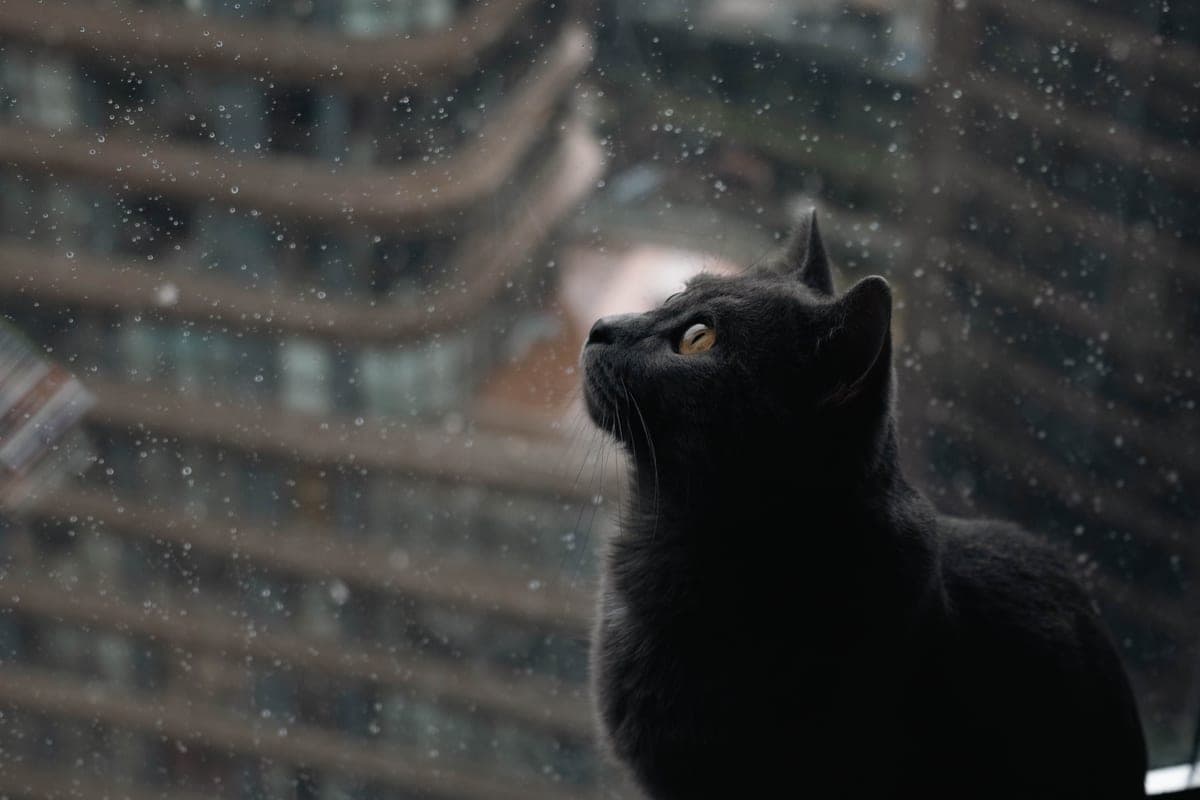
Place feeders either within three feet of a window or more than thirty feet away, so a startled bird cannot build up lethal speed. Keep cats indoors, or feed where a cat has no cover to ambush from. Clean feeders every week or two to prevent disease spreading between birds.
Putting out a feeder concentrates birds in one place. That is the point, and it is also the risk: everything that hunts or endangers them concentrates there too. None of this is a reason not to feed birds. It is a reason to do it deliberately.
Windows: the biggest one, and the easiest to fix
The American Bird Conservancy states that more than a billion birds die from collisions with glass every year in the United States. A feeder placed badly makes your windows worse; placed well, it makes them safer.
The rule is counter-intuitive: very close, or very far. Under about three feet from the glass, a startled bird cannot build up enough speed for the impact to be fatal. Beyond about thirty feet, the reflected sky is not part of its escape route. The middle distance is the dangerous one.
If you have a window that birds already hit, the feeder is only half the answer. Patterned film, external screens, or closely spaced markers on the outside of the glass break up the reflection. Markers need to be on the outside — inside the glass, the reflection hides them. The spacing that makes any of it work, and the tape and markers that meet it, are in how to stop birds hitting your windows.
Cats
A feeder is a reliable, predictable gathering point, which is exactly what makes it useful to an ambush predator. If you have a cat, the honest answer is to keep it indoors while you feed birds, or accept that you have built a trap.
If neighborhood cats are the problem, the levers are placement-based: keep the feeder well clear of dense low cover that a cat can wait in, put it high enough that a cat cannot reach the perches, and keep the ground under it clear so ground-feeding birds are not working in ambush range.
Hawks
A sharp-shinned or Cooper's hawk working your feeder is not a malfunction — it is a native predator eating native prey, and your yard has become part of its route. There is nothing to fix and nothing to feel guilty about.
What you can do is give the small birds a fair chance: cover about ten feet away, so nobody is caught in the open. If a hawk settles in for a week, taking the feeders down for a few days breaks the pattern and everyone disperses.
Disease, which is the risk people forget
Dozens of birds using one surface every day is a transmission route. Project FeederWatch recommends cleaning seed and suet feeders every week or two, more often in heavy use or wet weather, and disinfecting by soaking cleaned parts for ten minutes in one part bleach to nine parts water, with boiling water or diluted vinegar as alternatives.
If you see a sick bird — puffed up, lethargic, crusted or swollen eyes — take the feeders down, clean everything thoroughly, and leave them down for a couple of weeks so the birds disperse. That is a real recommendation and it is the responsible response. Full method in how to clean a bird feeder.
Bears, where they occur
Project FeederWatch recommends against any feeding in bear country except when bears are hibernating. This is not a liability disclaimer: a bear that learns to raid feeders becomes a bear that has to be dealt with, and that ends badly for the bear. If bears are in your area, feed only in deep winter, or not at all.
The short version
- Feeder under three feet from the glass, or over thirty.
- Cats indoors, or the feeder well clear of ambush cover.
- Cover about ten feet away so birds can escape a hawk.
- Clean every week or two; take feeders down if you see sick birds.
- No feeding in bear country outside hibernation.
Common questions
How far should a bird feeder be from a window?
Within about three feet, or more than thirty feet. The middle distance gives a startled bird enough runway to hit the glass hard.
How do I stop birds hitting my windows?
Break up the reflection with patterned film, external screens or closely spaced markers on the outside of the glass, and move feeders to the safe distances above.
Is it bad to feed birds if I have a cat?
It is if the cat goes outside. A feeder concentrates prey in a predictable spot. Keep the cat in, or do not feed.
What should I do if I see a sick bird at my feeder?
Take the feeders down, clean and disinfect everything, and leave them down for a couple of weeks so the birds disperse rather than keep meeting at your feeder.