Hub
Setting up your first bird feeder
What to buy, where to put it, and how long to wait before deciding it has not worked.
By Scooter M. · Published · Last updated
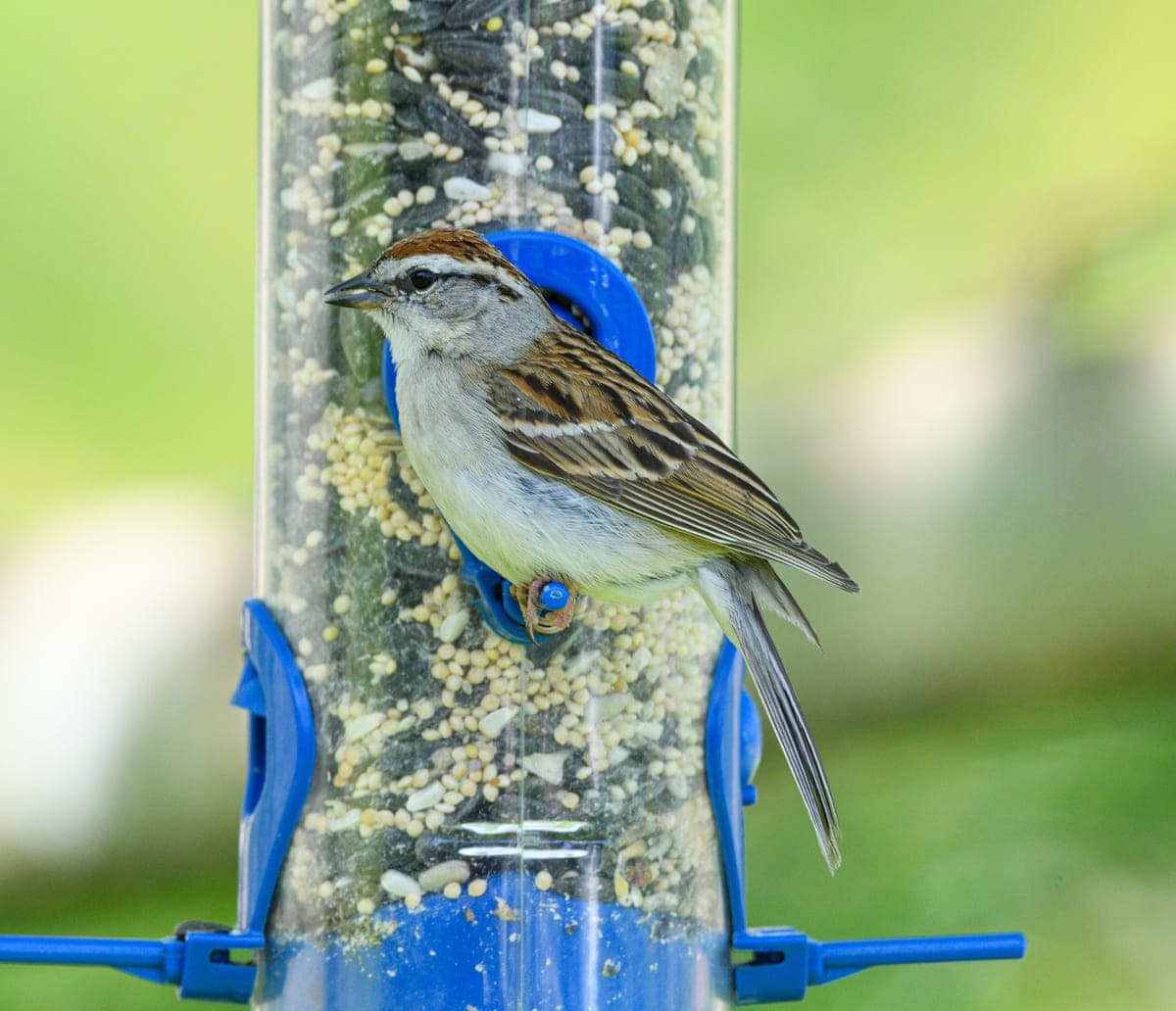
Hang one feeder about five to six feet off the ground, roughly ten feet from trees or shrubs, and either within three feet of a window or more than thirty feet from it. Fill it with black oil sunflower seed. Then leave it alone: it commonly takes days to a few weeks for birds to find a new feeder.
Most first feeders fail for one of four reasons, and none of them is the feeder. It was hung somewhere birds do not feel safe. It was filled with a cheap mix they will not eat. It was raided by squirrels within a week. Or it was given four days and then written off.
This hub is the fix for all four, in order.
Start here, in this order
- Your first feeder, start to finish — the full walkthrough, from unboxing to the first bird.
- Best bird feeders for beginners — if you have not bought anything yet.
- The starter kit — feeder, seed, pole, baffle and brush as one purchase, so nothing is missing on day one.
- Where to hang it — the distances, including the ones that stop squirrels and the ones that stop window strikes.
- Getting the first birds to show up — what to do in the first three weeks.
The three distances that matter
Height: about five to six feet. High enough that a squirrel cannot jump up to it from the ground — Duncraft's 5-7-9 rule puts a squirrel's standing jump at four to five feet — and low enough that you can refill it without a ladder, which matters more than people expect in February.
Cover: about ten feet. Project FeederWatch recommends placing feeders close to natural cover so birds can escape a hawk, but warns against putting them so close that squirrels can jump across, and calls about ten feet a good compromise. That single sentence resolves the contradiction most beginners run into.
Windows: under three feet, or over thirty. This is a safety rule, not a preference. Glass collisions kill more than a billion birds a year in the United States according to the American Bird Conservancy. A feeder mounted right against the glass means a bird cannot build up lethal speed; a feeder far away means the reflection is not part of its escape route. The dangerous distance is the middle. See keeping birds safe, and if a window is already being hit, how to stop birds hitting your windows has the spacing rule and the products that meet it.
What to expect in the first month
Nothing, then everything. A new feeder in a yard with no feeding history can sit untouched for days or a few weeks — birds locate food by watching each other, and until one chickadee finds you, nobody has anything to watch. In a neighborhood where somebody already feeds, it can be same-day.
The mistake is moving the feeder every few days. Each move restarts the clock. Pick the spot using the distances above, then leave it for at least two weeks before concluding anything. If a month passes with nothing at all, work through why no birds are coming rather than buying a different feeder.
The thing to buy that is not a feeder
A pole and a baffle. Almost every beginner spends their whole budget on the feeder and hangs it from a branch, which is the one place a squirrel is guaranteed to reach. A fifteen-dollar baffle on a pole protects every feeder you will ever own. If you can only buy two things, buy a plain feeder and a baffle, not an expensive feeder on its own.
Everything in Setup & Placement
Every page in this section, with the top pick and its price where there is one.
Guide
Your first bird feeder, start to finish
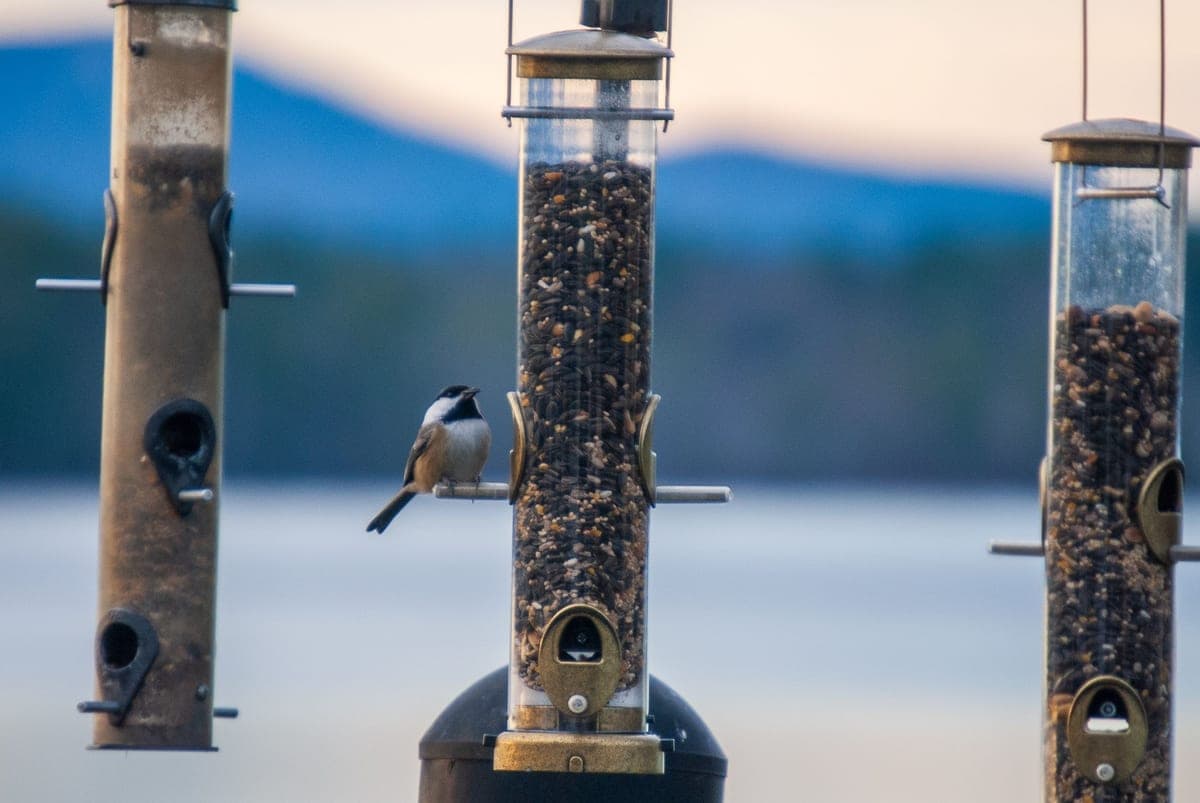
The full walkthrough for a first feeder: the four things to buy, where to put them, how to fill, and what the first three weeks look like.
Top pick · The feeder
Droll Yankees Onyx Clever Clean 18" Sunflower Tube Feeder
Roundup
The best bird feeders for beginners
Six feeders picked for a first setup, ranked on cleaning, capacity and squirrel exposure rather than on a testing claim we cannot make.
Top pick · Best first feeder
Droll Yankees Onyx Clever Clean 18" Sunflower Tube Feeder
Roundup
The bird feeding starter kit
The five-item first purchase, what each part does, and the two people always forget until the feeder is already hanging.
Top pick · The feeder
Droll Yankees Onyx Clever Clean 18" Sunflower Tube Feeder
Guide
Where to hang a bird feeder
Every placement distance that matters, with the source for each — and an honest note where the published figures contradict each other.
Top pick · For getting the distances right
Squirrel Stopper Sequoia Pole System
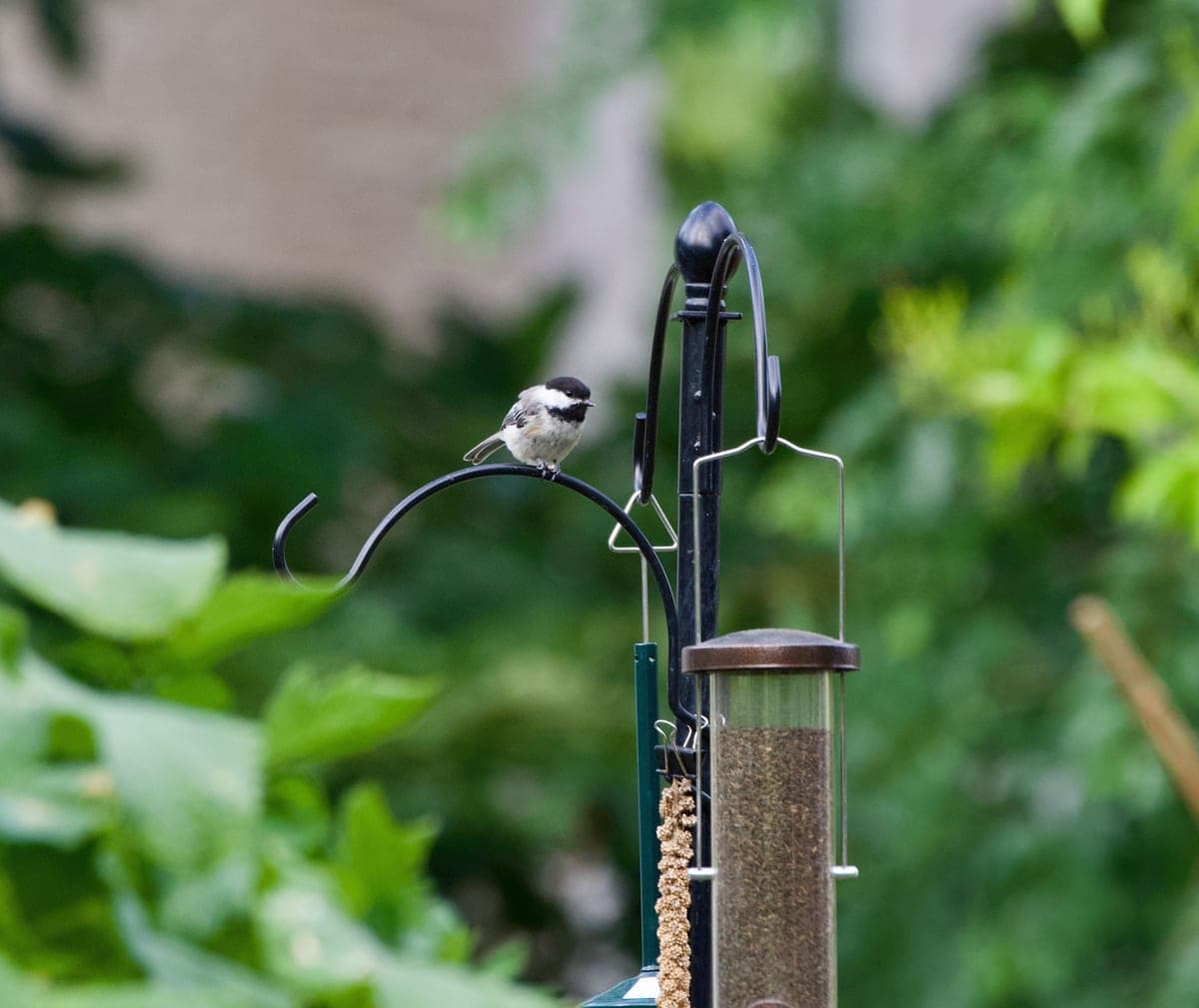
Guide
How to hang a bird feeder without a tree
Every no-tree option compared — pole, deck bracket, wall arm, fence post, window mount — with the squirrel exposure of each.
Top pick · Best if you have ground
Squirrel Stopper Sequoia Pole System
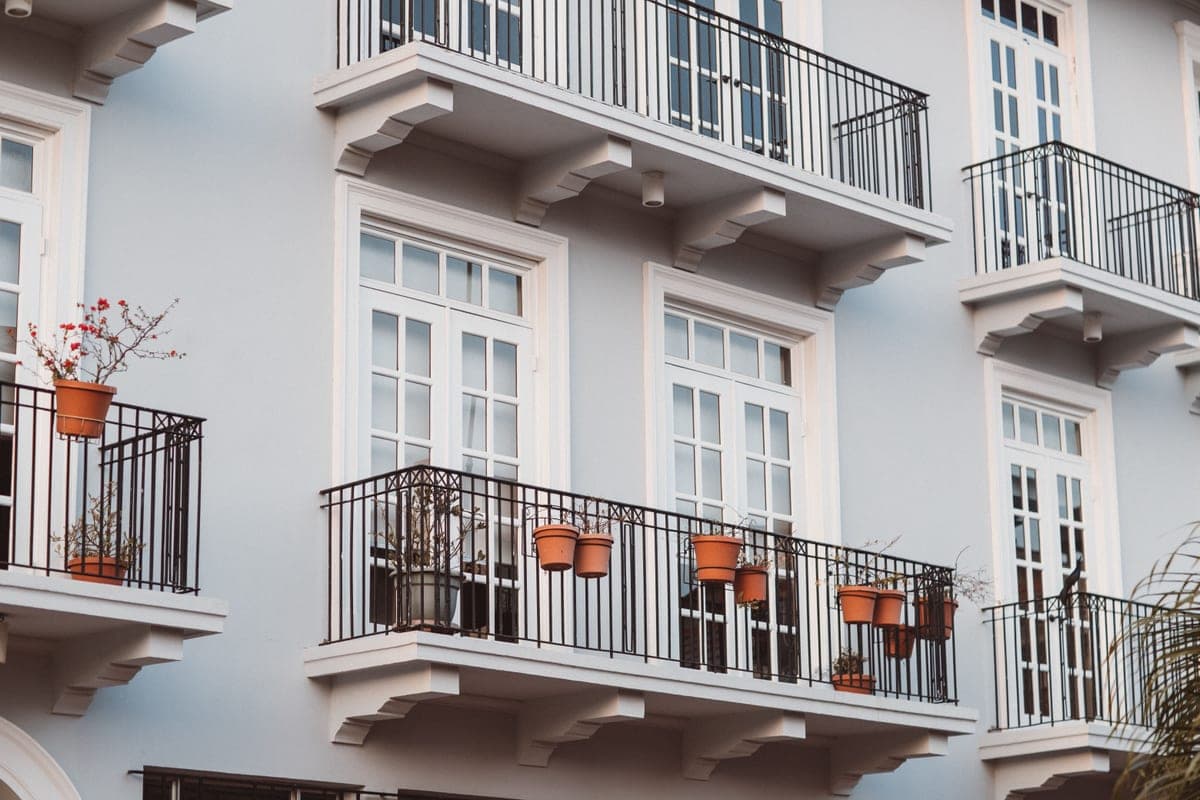
Guide
Feeding birds on a balcony or in a small space
The apartment version: window and rail feeders, hull control for the balcony below, and what changes when you have no ground.
Top pick · Best for a window
Aspects Window Cafe Window Feeder (model 155)
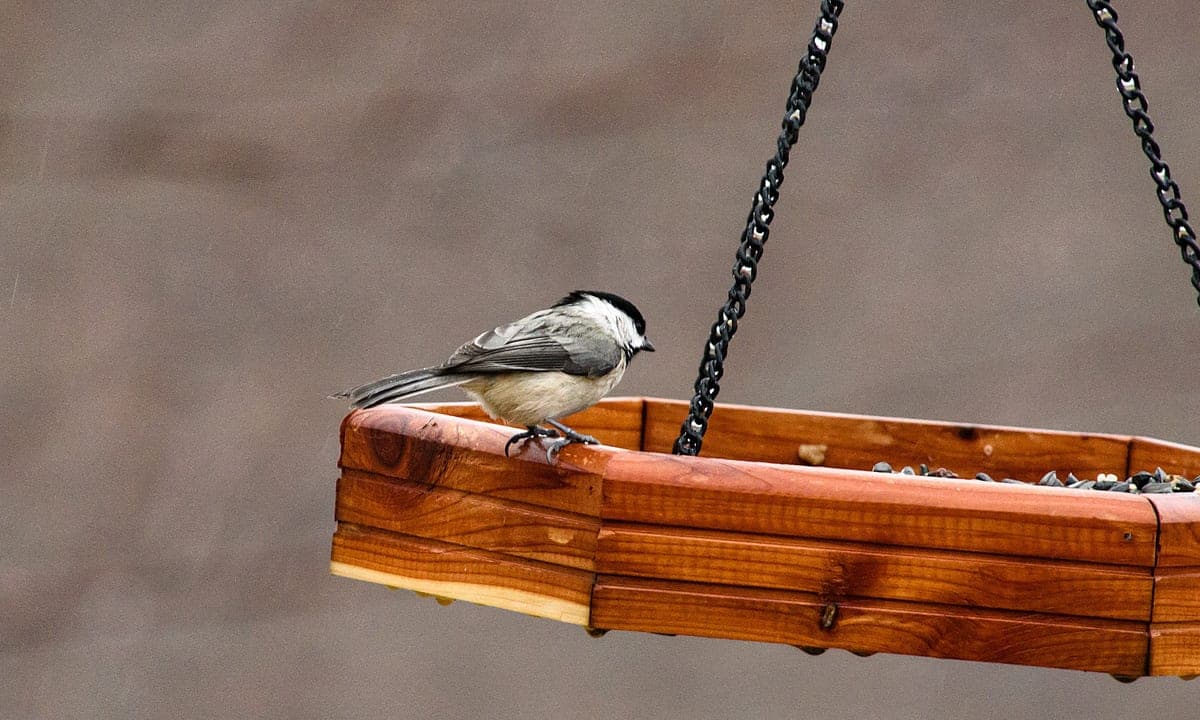
Guide
How to attract birds to a new feeder
The first three weeks of a new feeder: what genuinely speeds discovery, what does nothing, and how long to wait before changing anything.
Top pick · The seed that gets found fastest
Wagner's Black Oil Sunflower Seed
#ad How we are funded · Price as of October 22, 2026
Guide
Keeping birds safe at your feeder
Windows, cats, hawks and hygiene: the four risks a feeder creates, and the placement rules that address each.
Guide
How many bird feeders should you have?
Why one is right at the start, what to buy second and third, and the point at which more feeders stop adding birds and start adding disease risk.
Top pick · Feeder one
Droll Yankees Onyx Clever Clean 18" Sunflower Tube Feeder
Roundup
Shepherd's hooks for bird feeders
The two specs that matter — prongs and height — why most hooks cannot take a baffle, and when to buy a real pole instead.
Top pick · Best shepherd's hook
ANIDEER 84" Shepherds Hook, 7-Prong Base
#ad How we are funded · Price as of October 22, 2026
Roundup
Deck rail bird feeders and mounts
Clamp-on hooks compared on reach and rail thickness, plus the mess and squirrel problems every deck setup has.
Top pick · Best overall
Kingsyard Adjustable Deck Hook, 27-39 inch
#ad How we are funded · Price as of October 22, 2026
Roundup
Bird feeder pole mounts and adapters
The one-inch standard, flanges versus brand adapters, what camera feeders need, and the baffle height that makes any of it work.
Top pick · Best all-in-one
Phikrou 76-Inch Pole Kit with Squirrel Baffle (DSSZ001)
#ad How we are funded · Price as of October 22, 2026
Roundup
How to stop birds hitting your windows
The two-inch spacing rule, why markers belong outside the glass, and the tape, dot markers and decals that actually stop strikes.
Top pick · Best overall
CollidEscape White BirdTape, 3/4" x 40'
#ad How we are funded · Price as of October 22, 2026
Common questions
How high should a bird feeder be off the ground?
About five to six feet. That clears a squirrel's standing jump, which Duncraft puts at four to five feet, and still lets you refill it without a ladder.
How long does it take for birds to find a new feeder?
Days to a few weeks, depending on whether anyone nearby already feeds. Leave the feeder in one place for at least two weeks before changing anything.
How far should a bird feeder be from a window?
Either within about three feet of the glass or more than thirty feet away. The middle distance is where birds build up enough speed for a collision to be fatal.
Can I put a bird feeder on a balcony?
Yes, with a rail bracket or a window-mounted feeder and a tray to catch hulls. See balcony and small-space feeding.