Care & Season
Raccoon-proof bird feeders
Your squirrel baffle is too short. A raccoon is bigger, stronger, works at night, and has hands.
By Scooter M. · Published · Last updated
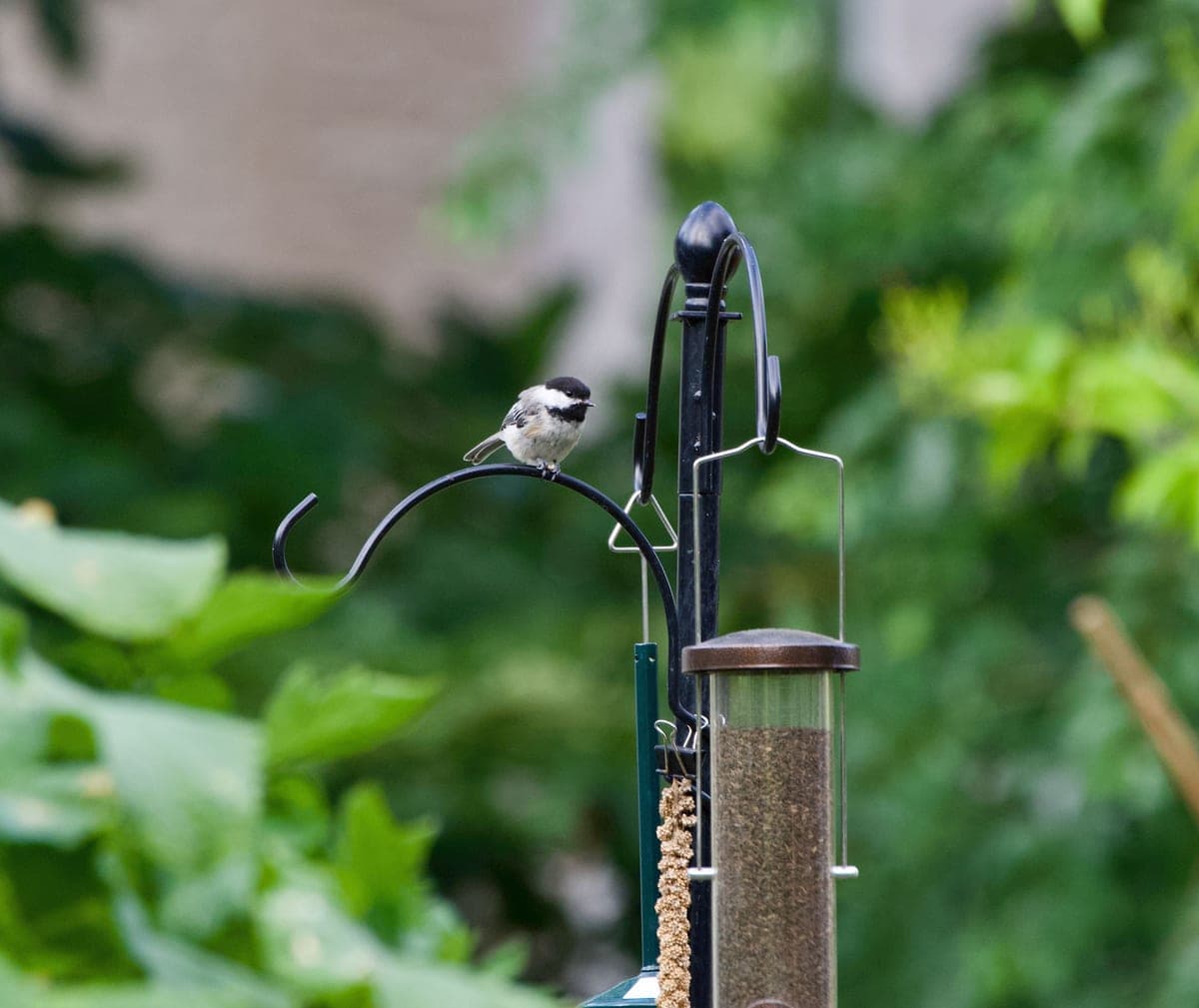
No feeder is raccoon-proof, but a raccoon is stoppable. Fit a long stovepipe baffle, at least 28 inches, on a pole with nothing within jumping range, and take feeders in at dusk while a raccoon is visiting. Store seed in metal, because that is the other target.
Seed & Sprig earns a commission when you buy through the links on this page, at no extra cost to you. It does not change which products we pick or the order we put them in — here is how we pick and here is how we are funded.
Quick picks
| # | Product | Best for | Price |
|---|---|---|---|
| 1 | 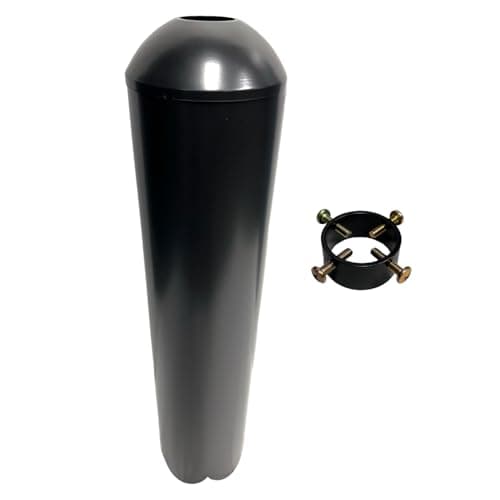 Erva SB2D Cylindrical Raccoon Baffle, 28 inch Twenty-eight inches of powder-coated steel with a collar that cannot be chewed. Length is the whole point. | Best baffle for a round pole | $62.99 · View on Amazon #ad How we are funded · Price as of September 21, 2026 |
| 2 | 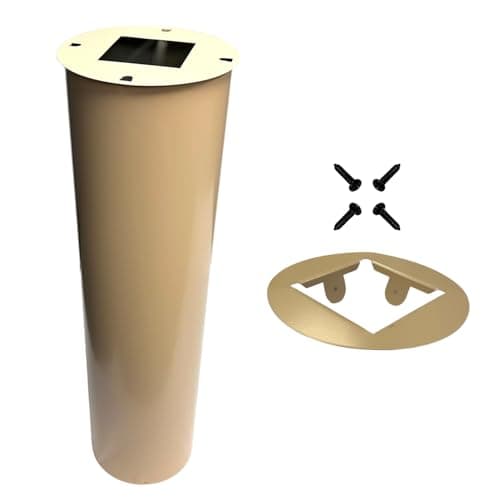 Erva SB3 Raccoon and Squirrel Baffle for 4x4 Posts The same length, built for a square post — the mount most raccoon advice ignores. | Best for a 4x4 wooden post | $69.99 · View on Amazon #ad How we are funded · Price as of September 21, 2026 |
| 3 | 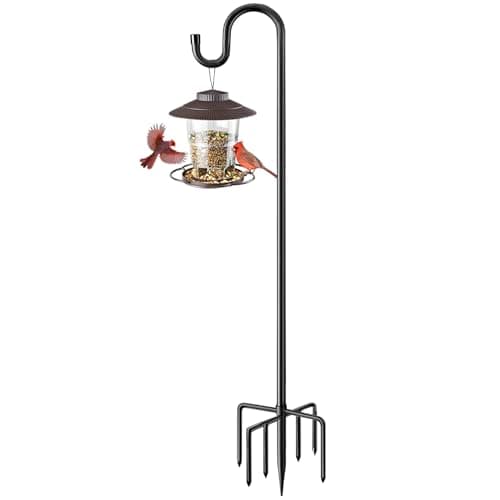 ANIDEER 84" Shepherds Hook, 7-Prong Base Height is half the defense. A short hook puts the feeder inside a raccoon's reach. | Best pole to put it on | $21.99 · View on Amazon #ad How we are funded · Price as of September 21, 2026 |
| 4 | 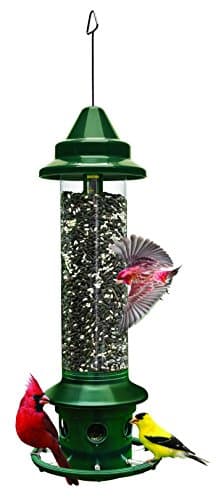 Brome Squirrel Buster Plus Chew-proof, and it comes apart by hand for the cleaning a raided feeder needs. | Best feeder to pair with it | $128.79 · View on Amazon #ad How we are funded · Price as of September 21, 2026 |
| 5 | 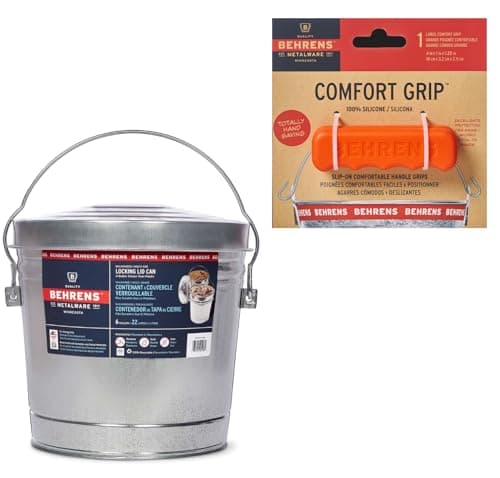 Behrens 6-Gallon Galvanized Steel Can with Locking Lid A galvanized can with a locking lid. Raccoons open bins and bags, and seed storage is the usual entry point. | For the seed they are really after | $35.99 · View on Amazon #ad How we are funded · Price as of September 21, 2026 |
Rows link to the full write-up further down this page. The price button goes to Amazon.
The first sign is usually not the raccoon. It is a feeder on the ground in the morning, emptied and often bent, with the pole still standing and the baffle apparently intact. Squirrels do not do that. Raccoons do.
This is a separate problem from the squirrel problem, and the equipment that solves one does not solve the other. A gray squirrel weighs about a pound and climbs by gripping. A raccoon is an order of magnitude heavier, climbs like a bear, works at night when you are not watching, and — the part that matters most — has genuinely dexterous front paws. The Internet Center for Wildlife Damage Management notes that raccoons have incredible dexterity in their front paws, which is why latches, lids and lightweight hardware fail against them.
Is it actually a raccoon?
Worth confirming before you spend anything, because the fix differs completely by animal.
| What you find | Most likely | What helps |
|---|---|---|
| Feeder on the ground, emptied, sometimes damaged; happened overnight | Raccoon | A long steel baffle, height, and bringing feeders in at dusk |
| Feeder still hanging, seed gone, chewed plastic ports; daytime | Squirrels | A standard baffle and correct placement |
| Seed scattered below, nothing damaged, tracks in soft ground | Deer or ground feeders | Height, and clearing spilled seed |
| Seed disappearing slowly, droppings near the shed or garage | Mice or rats | Catch trays, sealed storage, clearing the ground |
The overnight timing is the giveaway. ICWDM notes that healthy raccoons are seldom seen during the day because of their nocturnal habits, so a feeder that is full at dusk and empty at dawn, with nothing seen in daylight, is a raccoon until proven otherwise. If it is mice or rats instead, that page is here.
Why your squirrel baffle failed
Almost everyone arrives here with a baffle already fitted, which is why the failure needs explaining rather than just fixing.
A squirrel baffle is sized against a squirrel: wide enough that a squirrel cannot reach around it, mounted high enough that one cannot jump over it. Both numbers are too small for a raccoon. A raccoon standing on its hind legs on the pole below can simply reach past a short cone; on a narrow cylinder it can hug the tube and work upward, using exactly the grip a squirrel lacks. And a light plastic cone can be pulled or bent by an animal that strong.
The specification that changes the outcome is length. A stovepipe baffle of 28 inches or more, in steel, mounted so the top of it is above the reach of an animal standing below, presents a smooth vertical surface too long to reach past and too rigid to deform. That is the entire mechanism, and it is why both baffles we picked are the same unglamorous 28-inch pipe.
How we chose these
On published manufacturer specifications, checked against live listings in September 2026 so every pick was purchasable. We have not tested these against raccoons and will not pretend to have done so; raccoon-proofing claims are exactly the kind of thing this site refuses to invent. The ranking follows the failure mode: baffle length first, then material and the mount (a baffle is only as good as the collar it sits on, and raccoons work at fixings), then pole height, then whether the feeder itself survives being handled. One pick is not for the feeder at all — it is for the seed store, for reasons the last section explains. Our full criteria are here.
Height and placement, which do more than the baffle
A baffle stops climbing. It does nothing about a raccoon that steps across from a fence, a wall, a shed roof or a low branch, and raccoons are excellent climbers, capable of using overhanging limbs to bypass a fence.
The 5-7-9 rule we use throughout the site — five feet up, seven feet of clearance, nine feet below a branch — is written for squirrels and is the right starting point here, with two adjustments. Go taller than five feet if you can, because the baffle needs to sit high and still leave the feeder above it. And be stricter about the seven feet, because a raccoon climbing a fence and reaching out has a longer reach than a squirrel's jump.
On a wooden 4x4 post, which is how a lot of people mount a feeder or a nest box, you need a baffle built for a square post — a round-pole baffle will not seal against it, and a gap is an invitation. Our pole guide covers the mounting options.
The free fix that beats all of it
Hardware is the second-best answer. The best one costs nothing.
Project FeederWatch's advice for nocturnal visitors is direct: if your mammalian visitors appear only at night, try taking your feeders inside at dusk. Raccoons feed at night; a feeder that is not outside at night is not a feeder they can raid. Birds feed in daylight and lose nothing by it.
It is a nuisance for a week or two, and then it becomes a habit that takes twenty seconds in each direction. Crucially, it also breaks the pattern: a raccoon that finds nothing for several consecutive nights stops including your yard on its route. Combining the two — taking feeders in at dusk while a long baffle goes up — is how people actually resolve this, rather than escalating hardware indefinitely.
FeederWatch also suggests, where trees allow, stringing a cable between two trees and suspending feeders above the reach of the hungry critters. It works, and it is awkward to refill; consider it if you have the trees and no appetite for a pole.
The seed store is the real target
A feeder holds a pound or two. A bag of seed in the garage holds twenty, and raccoons are entirely capable of finding it. ICWDM's prevention advice for raccoons is to remove food sources and to use metal containers with tight-fitting lids that remain attached even if upended — that last clause being the detail that distinguishes a raccoon from a mouse.
A galvanized can with a locking lid handles it, and the same purchase solves the rodent problem underneath: the CDC's advice is to keep grains and animal feed in thick plastic or metal containers with tight lids. If your seed currently lives in its paper sack in an open garage, fix that before you buy another baffle — our storage container picks are here.
Same logic for what falls on the ground. Spilled seed under a feeder is a night-time buffet, and clearing it is part of the fix rather than housekeeping.
Mounting the baffle so it works
A long baffle fitted badly is a short baffle. Three details decide whether the purchase does anything.
Height of the top edge. The relevant measurement is not how tall the baffle is but how high its top sits. A raccoon standing on its hind legs at the base of the pole has a long reach; if the top of the baffle is at chest height for you, it is within reach for the animal. Aim to have the top of the baffle at or above about five feet, which usually means a taller pole than the one you own.
The collar. Every baffle hangs on something, and that fixing is what a raccoon works at. Erva's round-pole baffle publishes a steel collar for exactly this reason, and its post baffle uses a bracket that slides over the top of the post with screws. Plastic collars and hose clamps are the usual weak point. If a baffle can be pushed up the pole by hand, it can be pushed up by an animal with hands.
Fitting order. Read the listing before you buy: the cylindrical baffle we picked is one piece and has to be lowered onto the pole from above, which means the feeder arm or top section must come off. On a fixed, one-piece pole it cannot be retrofitted at all. This catches people out regularly, and the money is not refundable once the thing is in your yard.
Nest boxes have the same problem
If you run a bluebird box or any other nest box on a post, raccoons are a predator problem rather than a seed problem, and the consequences are worse than a lost feeder. A raccoon can reach into a box through the entrance hole.
The hardware answer is the same: a long baffle below the box, mounted on a smooth pole rather than a wooden post where possible, with nothing adjacent to climb from. The post baffle we picked exists specifically for the 4x4 timber posts that boxes are usually mounted on. Nest box specifics — hole sizes, predator guards and spacing — are their own subject, and one this site deliberately does not cover yet; the baffle geometry, however, is identical to the feeder case.
If it is not a raccoon
Two other night-time possibilities are worth ruling in or out before you buy hardware.
Bears. If you are in bear country, this stops being a hardware question entirely. No baffle, pole or feeder is relevant, and the standing advice from wildlife agencies in bear states is to take feeders down for the months bears are active. Our page on unwanted visitors covers the hard rule. Damage on the scale of a flattened pole or a shredded feeder is not a raccoon.
Rats. Seed vanishing steadily overnight with no damage, plus droppings near a shed or garage, is a rodent pattern rather than a raccoon one. The fixes overlap — sealed storage, clearing spilled seed — but the hardware differs, and that page is the right one.
What not to do
- Do not grease the pole. It washes off, it fouls feathers, and it does not stop an animal that can climb a tree trunk.
- Do not trap or relocate. It is regulated in most states, frequently illegal without a permit, and it does not work: another raccoon uses the same territory within weeks. Contact your state wildlife agency if you believe you have a genuine problem animal.
- Do not rely on repellents or ultrasonic devices. The site's position on deterrent gadgets is consistent — we do not recommend products whose mechanism we cannot point to, and the one deterrent people ask about most does not work on mammals the way they hope.
- Do not feed them deliberately to keep them off the feeder. A fed raccoon returns nightly, brings young the following season, and becomes a problem for your neighbors as much as for you.
What we would do, in order
- Tonight: bring the feeders in at dusk and clear the spilled seed underneath. Free, and it stops the raiding immediately.
- This week: move the seed into a metal can with a locking lid.
- This month: fit a 28-inch steel baffle to the pole, and if the pole is short or close to a fence, replace or move it.
- Then: start leaving the feeders out overnight again and see what happens. If the raiding resumes, the placement is the problem, not the baffle.
The honest summary is the one this site keeps arriving at with every animal: there is no raccoon-proof feeder, and the phrase mostly sells short baffles to people who need long ones. What there is, reliably, is a raccoon-resistant setup — a tall pole, a long steel baffle, clear space around it, no seed on the ground and nothing left out overnight while the animal is still visiting.
The picks in full
#1 · Best baffle for a round pole
Erva SB2D Cylindrical Raccoon Baffle, 28 inch
Erva · A round metal pole where a short squirrel baffle has already failed
The round-pole version: a 28-inch powder-coated cylinder with a domed top and a steel collar that cannot be chewed through. Sized for raccoons rather than squirrels, which is the difference that matters.
Published specifications
- Height
- 28"
- Diameter
- 6.25"
- Materials
- Powder-coated galvanized steel with a steel collar
- Fitting
- One piece: must be lowered onto the collar, so the pole needs a removable hanger or top section
- Model
- SB2D
What it does well
- Far longer than a typical squirrel baffle, which is exactly what a raccoon's reach demands
- The steel collar is the part cheap baffles get wrong; raccoons work at the mount
- Domed top sheds rain and gives nothing to grip
What it does not
- It cannot be fitted to a fixed pole: the listing is explicit that it must be lowered on from the top
- Expensive, and you may also need to raise the feeder to keep the baffle high enough
- Six and a quarter inches across is narrow — a determined raccoon on a wide pole may still hug past a poorly mounted one
Specifications above come from the manufacturer's own published listing: Erva SB2D Cylindrical Squirrel and Raccoon Baffle — published listing (height, diameter, materials, fitting restriction).
#ad How we are funded · Price as of September 21, 2026
#2 · Best for a 4x4 wooden post
Erva SB3 Raccoon and Squirrel Baffle for 4x4 Posts
Erva · A feeder or nest box on a wooden 4x4 post
A 28-inch galvanized stovepipe baffle built specifically for a 4x4 wooden post, which is the mount most raccoon advice ignores. Length is what stops a raccoon, and this has it.
Published specifications
- Height
- 28"
- Diameter
- 8.13"
- Fits
- 4 x 4 wooden posts
- Materials
- Fully galvanized steel
- Mounting
- Support bracket slides over the post top, secured with the included screws
- Model
- SB3
What it does well
- Twenty-eight inches of smooth pipe is long enough that a raccoon cannot simply reach past it
- Galvanized steel cannot be chewed, and raccoons are strong enough to matter
- One of very few baffles made for a square wooden post rather than a round pole
What it does not
- It is the most expensive baffle we recommend anywhere on this site
- Installation means getting at the top of the post, so it is easier before the feeder goes up
- A baffle on the post does nothing if the feeder is within reach of a fence, wall or branch
Specifications above come from the manufacturer's own published listing: Erva SB3 Raccoon Squirrel Baffle — published listing (height, diameter, post fit, materials, mounting).
#ad How we are funded · Price as of September 21, 2026
#3 · Best pole to put it on
ANIDEER 84" Shepherds Hook, 7-Prong Base
ANIDEER · The tallest honest option, and the one that can take a baffle
Eighty-four inches with a seven-prong base, which is the combination that actually lets you mount a baffle high enough to matter.
Published specifications
- Height
- 84"
- Base
- 7-prong
- Load rating
- Not published on the listing
What it does well
- The extra height is what makes a baffle viable rather than decorative
- Seven prongs spread the load better than five in soft ground
What it does not
- Still a hook, so it flexes under a heavy hopper in a way a 1-inch pole does not
- No published load rating
- Taller means harder to refill without a step
Specifications above come from the manufacturer's own published listing: ANIDEER 84 inch shepherds hook — published listing (height, 7-prong base).
#ad How we are funded · Price as of September 21, 2026
#4 · Best feeder to pair with it
Brome Squirrel Buster Plus
Brome · The one feeder to buy if you only buy one
A weight-closing tube feeder with a large capacity and a cardinal ring, and the closest thing to a genuinely squirrel-resistant feeder that a beginner can hang up and stop thinking about.
Published specifications
- Seed capacity
- 5.1 lb
- Height
- 28" base to hanger
- Feeding ports
- 6, plus a cardinal ring
- Mechanism
- Weight-adjustable spring shroud
- Materials
- Chew-proof, UV-resistant components
- Warranty
- Brome Lifetime Care
What it does well
- The spring tension is adjustable, so you can shut out heavy birds as well as squirrels
- Comes apart by hand for cleaning, which means it actually gets cleaned
- 5.1 lb is enough that a busy fall week does not mean daily refills
What it does not
- The most expensive feeder in this roundup by a wide margin
- The shroud collects seed dust and needs a full strip-down every couple of weeks
- A squirrel that can reach the top hanger still wins, so this is not a substitute for a baffle
Specifications above come from the manufacturer's own published listing: Brome — Squirrel Buster Plus (manufacturer store).
#ad How we are funded · Price as of September 21, 2026
#5 · For the seed they are really after
Behrens 6-Gallon Galvanized Steel Can with Locking Lid
Behrens · A garage, shed or basement where mice or rats can reach the seed
A galvanized steel can with a wire bail handle and a lid held down by riveted locking ears. It is the one container on our list a rodent cannot chew into, which is the whole reason to buy metal.
Published specifications
- Capacity
- 6 gallons (24 quarts)
- Material
- Galvanized steel
- Lid
- Fitted lid with locking riveted ears
- Handle
- Heavy-gauge wire bail, sold with one orange grip
- Base
- Offset bottom that keeps the can off the ground
- Dimensions
- 15" x 15" x 14" (listed)
- Use
- Dry storage only, per the listing
- Part number
- 6106K
What it does well
- Steel: a mouse or rat cannot chew into it, and nothing plastic on this page can say that
- The locking ears keep the lid on if the can is knocked or pawed at
- The offset bottom lifts the can itself off a damp concrete floor
What it does not
- The listing describes a fitted lid, mentions no gasket and does not call it airtight, so keep it somewhere dry
- Opaque, so you cannot see the level or spot clumping without opening it
- Costs more than a plastic bin that holds more
Specifications above come from the manufacturer's own published listing: Behrens 6 Gallon Galvanized Steel Storage Can (6106K) — published listing (material, lid, handle, base, dimensions).
#ad How we are funded · Price as of September 21, 2026
Common questions
Can raccoons get past a squirrel baffle?
Routinely. Squirrel baffles are sized for a one-pound animal that cannot grip a smooth cylinder. A raccoon can reach past a short cone or work up a narrow one. You need a steel stovepipe of about 28 inches or more.
What is the best way to keep raccoons off bird feeders?
Take the feeders in at dusk while the raccoon is visiting, and fit a long steel baffle on a tall pole with nothing within jumping range. FeederWatch recommends bringing feeders inside for night-time visitors.
Will a raccoon come back if I remove the feeder?
It will check for a while, then drop your yard from its route. That is why the dusk routine works: several consecutive empty nights break the pattern.
Do raccoons damage bird feeders?
Often. They are strong and dexterous enough to pull feeders down, open lids and bend hardware, which is why a chew-proof feeder that comes apart for cleaning is worth having where raccoons visit.
Should I trap a raccoon that raids my feeders?
No. Trapping and relocation is regulated in most states and usually ineffective, since another raccoon takes over the territory. Remove the food source instead.