Bird Seed
The best seed for each bird you want
Work backwards from the bird. The seed and the feeder both follow from it.
By Scooter M. · Published · Last updated
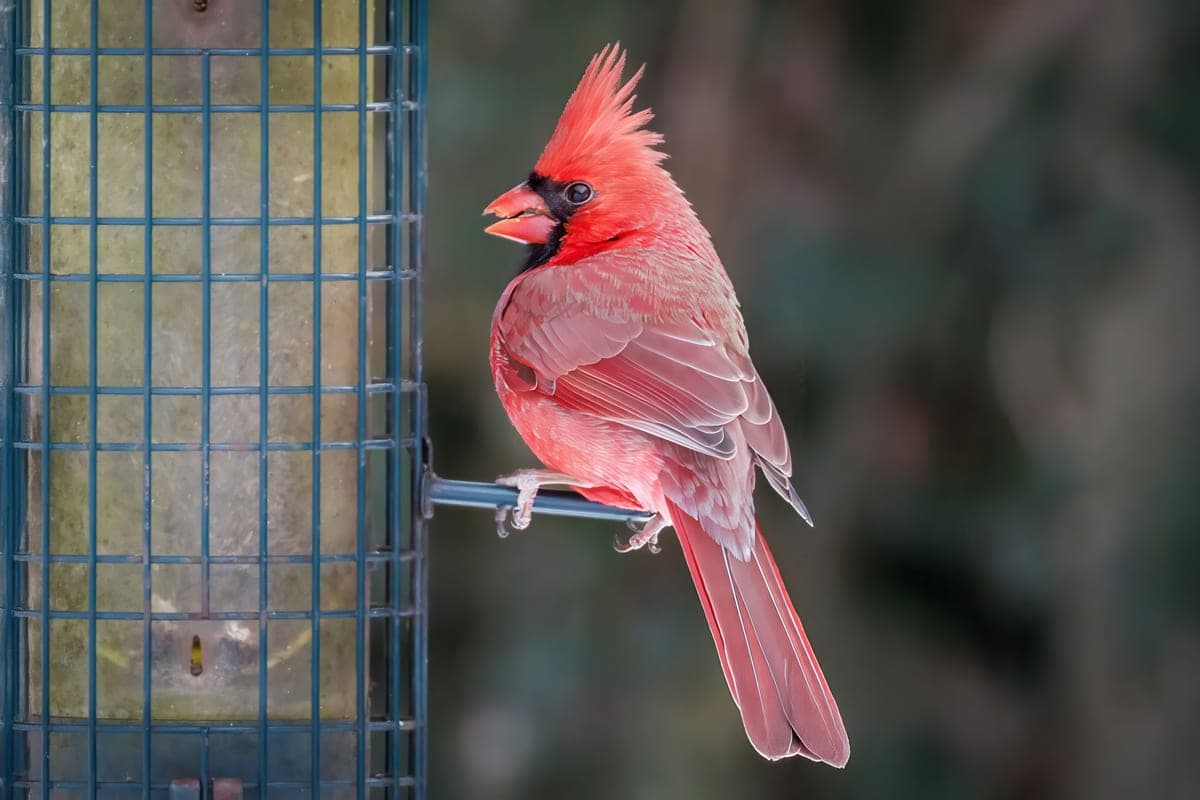
Cardinals want black oil or striped sunflower and safflower on a flat surface. Goldfinches want nyjer in a narrow-port feeder. Blue jays want peanuts and striped sunflower on a tray. Woodpeckers want suet and peanuts. Bluebirds want mealworms, and will largely ignore seed.
Seed & Sprig earns a commission when you buy through the links on this page, at no extra cost to you. It does not change which products we pick or the order we put them in — here is how we pick and here is how we are funded.
Most people do not want “birds.” They want cardinals, or goldfinches, or the woodpecker they saw once. Working backwards from the bird is the fastest way to a feeder setup that actually delivers it, and it takes two decisions: the food, and something the bird can physically use.
Cardinals
Seed: black oil sunflower, striped sunflower, safflower.
Feeder: a platform tray, or a hopper with a perch rail. Cardinals are heavy-bodied and will not cling to a small tube port — this is the single most common reason people conclude they have no cardinals when they do.
Safflower is the strategic choice here, because cardinals eat it and most squirrels do not. Details in safflower and squirrels, and the feeders themselves are ranked in the best bird feeders for cardinals.
Goldfinches, siskins and redpolls
Seed: nyjer, and nothing else.
Feeder: a narrow-port finch feeder or a mesh sock.
Project FeederWatch credits nyjer with attracting American Goldfinch, Pine Siskin and Common Redpoll. If a finch feeder is being ignored, stale seed is the usual culprit — see nyjer seed and finch feeders.
Blue jays
Seed: peanuts, especially in-shell, and striped sunflower.
Feeder: a platform tray or a dedicated peanut feeder. Jays are large, loud and will empty a small tube in a morning.
Feeding jays is a decision, not an accident: they dominate a feeder while they are there. A separate tray away from the main feeder is the usual compromise.
Chickadees, titmice and nuthatches
Seed: black oil sunflower, peanuts, suet.
Feeder: almost anything. These are the easiest birds to attract and usually the first to find a new feeder — chickadees investigate everything, which is why they are so often the first arrival.
Woodpeckers
Food: suet first, peanuts second.
Feeder: a suet cage, ideally one with a tail-prop panel — woodpeckers brace their tails when they feed, and a panel to brace against turns a brief visit into a proper feeding session. See suet feeders.
Bluebirds, wrens and robins
Food: mealworms. These are insect-eaters and they largely ignore seed. Kaytee publishes 47% protein for its dried mealworms, which is why a small dish goes a long way.
Feeder: a shallow dish, ideally covered. Mealworm feeders here.
Juncos, doves and sparrows
Seed: white proso millet, cracked corn, and whatever falls from above.
Feeder: the ground, or a low tray. Project FeederWatch notes that trays placed near the ground are most likely to attract juncos, doves and sparrows, and that these species will rarely land on a feeder but readily eat fallen seed.
The summary table
| Bird | Food | Feeder |
|---|---|---|
| Cardinal | Sunflower, safflower | Platform tray or hopper with a rail |
| Goldfinch | Nyjer | Narrow-port finch feeder |
| Blue jay | Peanuts, striped sunflower | Tray or peanut feeder |
| Chickadee / titmouse | Sunflower, peanuts, suet | Tube, cage, anything |
| Woodpecker | Suet, peanuts | Tail-prop suet cage |
| Bluebird | Mealworms | Shallow covered dish |
| Junco / dove | Millet, fallen seed | Ground or low tray |
One caution
You cannot summon a bird that is not in your area. Range, habitat and season decide who is available; seed only decides who stops. If a species has never appeared in your neighborhood, no feeder will produce it.
What we would buy for this
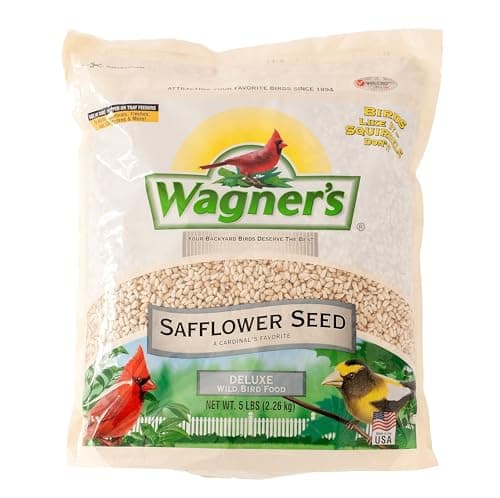
#1 · For cardinals
Wagner's Safflower Seed
Wagner's · Cardinals, when squirrels have taken over
A single-ingredient seed cardinals and finches take readily and squirrels usually leave alone, which is the closest thing to a no-hardware squirrel answer, with an honest caveat.
Published specifications
- Ingredients
- 100% safflower seed
- Crude protein
- 17.0%
- Crude fat
- 25.0%
- Crude fiber
- 32.0%
- Moisture
- 13.0%
What it does well
- Cardinals, house finches, chickadees and titmice all eat it
- Most squirrels prefer sunflower and will move on if safflower is all there is
What it does not
- 'Squirrels do not like safflower' is a tendency, not a law — hungry squirrels eat it
- Costs more per pound than black oil sunflower and attracts fewer species
Specifications above come from the manufacturer's own published listing: Wagner's safflower published analysis.
#ad How we are funded · Price as of October 22, 2026
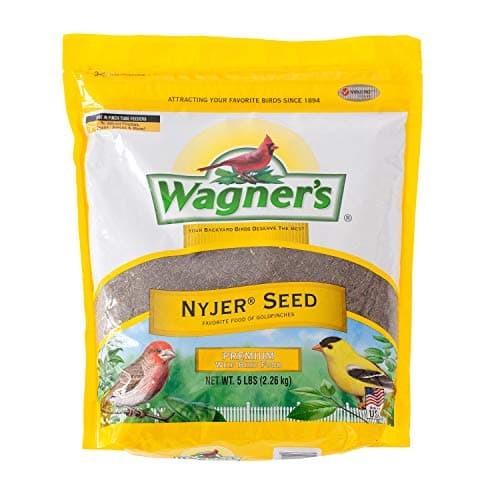
#2 · For goldfinches
Wagner's Nyjer Seed
Wagner's · Goldfinches and nothing else
Straight nyjer, which is the only thing a finch feeder should ever be filled with. Buy the smallest bag that suits your traffic, because it goes stale.
Published specifications
- Ingredients
- 100% nyjer seed
- Crude protein
- 13.5% min
- Crude fat
- 8.0% min
- Crude fiber
- 7.0% max
- Moisture
- 15.0% max
- Ash
- 4.25% max
What it does well
- The seed that reliably brings in American Goldfinch, Pine Siskin and Common Redpoll
- Too small for most other birds, so a nyjer feeder stays a finch feeder
What it does not
- Expensive per pound and it dries out; old nyjer is the most common reason a finch feeder sits ignored
- Needs its own narrow-port feeder or most of it lands on the ground
Specifications above come from the manufacturer's own published listing: Wagner's nyjer published analysis, Project FeederWatch — nyjer and finches.
#ad How we are funded · Price as of October 22, 2026
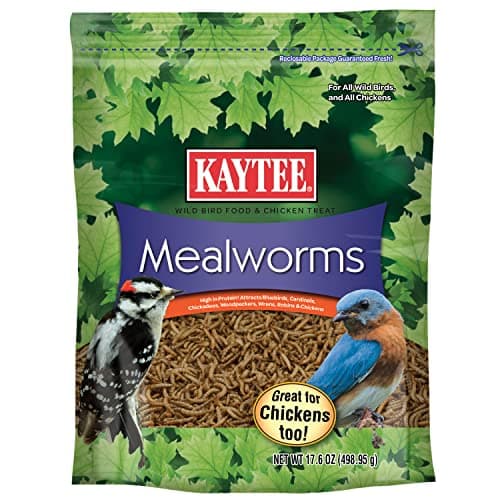
#3 · For bluebirds
Kaytee Dried Mealworms
Kaytee · Bluebirds, wrens and anything that eats insects rather than seed
Dried mealworms are the one food that brings in the insect-eaters a seed feeder never will, and at 47% protein they earn their price in a cold snap.
Published specifications
- Crude protein
- 47.0% min
- Crude fat
- 25.0% min
- Crude fiber
- 6.0% max
- Moisture
- 5.0% max
What it does well
- The highest protein of anything in this registry by a wide margin
- Dried keeps in a sealed tub; live mealworms do not
What it does not
- Expensive per pound, and easy to over-serve
- Put out a small dish at a time: mealworms left out get damp and moldy fast
Specifications above come from the manufacturer's own published listing: Kaytee mealworms published analysis.
#ad How we are funded · Price as of October 22, 2026
#4 · For big birds
Nature's Way Cedar Platform Tray Feeder (CWF3)
Nature's Way · Cardinals, jays, doves and anything that will not use a tube
An open cedar tray with a removable screen bottom, which is the honest answer for the big ground-feeding birds a tube feeder quietly excludes.
Published specifications
- Dimensions
- 12" x 12" x 2.25"
- Capacity
- 3 quarts
- Materials
- Premium cedar, stainless steel screws, powder-coated galvanized steel seed tray
- Drainage
- Removable screen tray for drainage and airflow
What it does well
- Cardinals and jays use it immediately; they often will not use a small tube port
- The screen bottom drains, which is the difference between a tray and a puddle
- Nothing to break, and it cleans in a minute
What it does not
- Completely open to squirrels, so this one belongs on a baffled pole or nowhere
- Seed is exposed to rain even with drainage, so put out small amounts
Specifications above come from the manufacturer's own published listing: Nature's Way CWF3 published specifications.
Common questions
What is the best bird seed for cardinals?
Black oil sunflower, striped sunflower or safflower — served somewhere they can stand, such as a platform tray or a hopper with a perch rail.
What is the best bird seed for blue jays?
Peanuts, especially in the shell, and striped sunflower, on a tray or a dedicated peanut feeder.
What seed attracts the most different birds?
Black oil sunflower. It is the single seed with the broadest appeal among North American feeder birds.
How do I attract different birds to my feeder?
Offer a second food type in a feeder shaped for it: suet for woodpeckers, nyjer for finches, mealworms for bluebirds, a tray for cardinals and jays.