Care & Season
When to put bird feeders out: the fall calendar
Autumn is the easiest time to start, because nothing depends on you getting it right immediately.
By Scooter M. · Published · Last updated
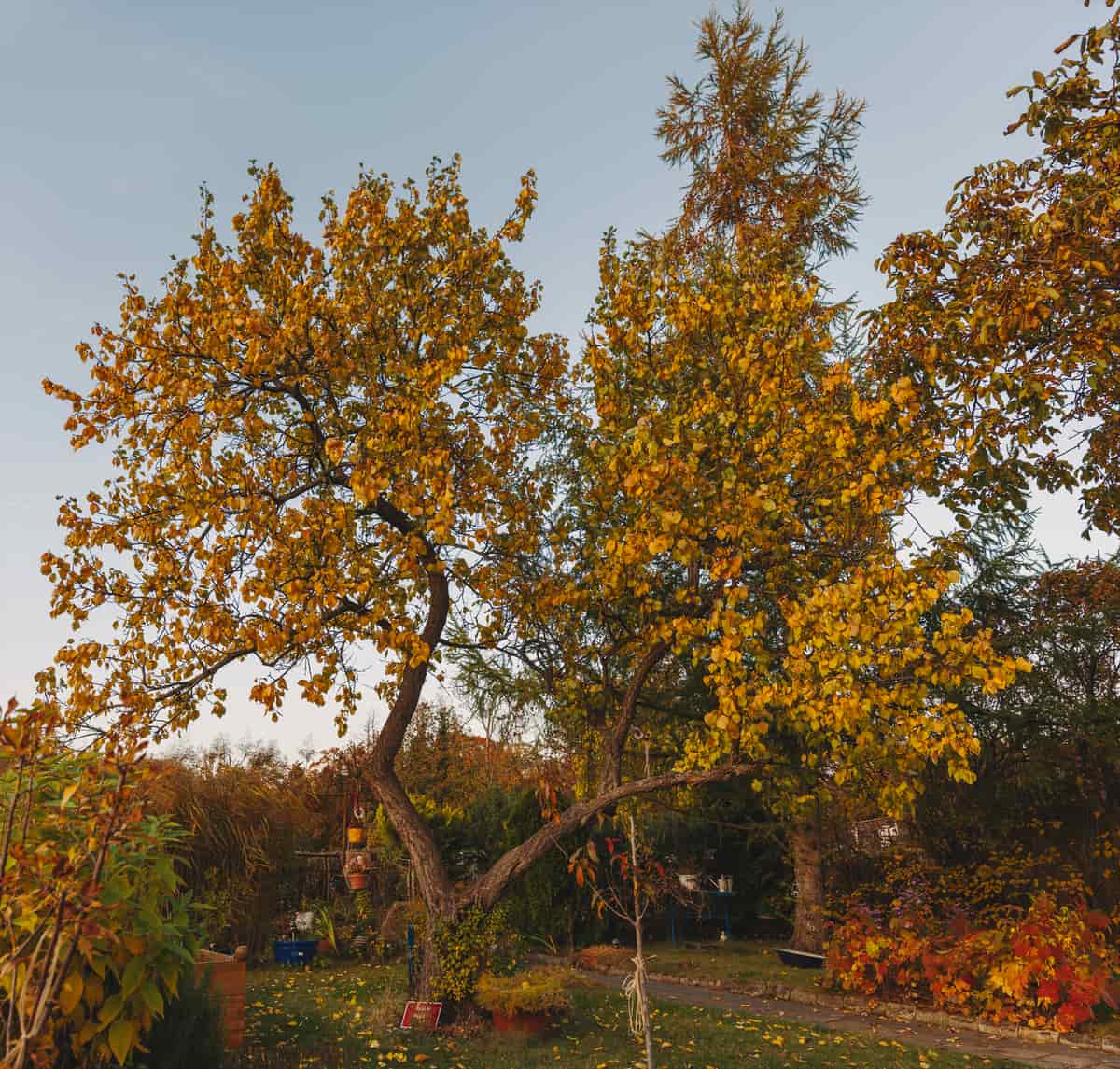
You can feed birds year-round, and early fall is the easiest time to start: natural food is still plentiful, so no bird depends on your feeder while you sort out placement and seed. Add suet in October as insects disappear and temperatures drop.
Seed & Sprig earns a commission when you buy through the links on this page, at no extra cost to you. It does not change which products we pick or the order we put them in — here is how we pick and here is how we are funded.
“When to put bird feeders out” is one of the most common questions in this hobby and it has a boring answer: whenever you like. Birds do not become dependent on feeders in the way people fear, and Project FeederWatch's guidance is about feeding safely rather than about a start date — its only timing caution is that if you cannot follow best practice year-round, limit feeding to the times of year when you can.
The more useful question is when it is easiest to start, and the answer to that is early autumn.
Why fall is the forgiving season
- Natural food is still everywhere. Seeds, berries and late insects mean nothing depends on your feeder while you get the placement and the seed right.
- Birds are establishing winter routes now. The chickadees and woodpeckers that will use your yard all winter are working out where the reliable food is in September and October.
- The weather is workable. Installing a pole and getting a baffle at the right height is a much better job in October than in January.
The calendar
| When | Do this | Why |
|---|---|---|
| Late August / early September | Install the pole, baffle and one seed feeder. Half-fill it. | Nothing depends on you yet, so mistakes cost nothing |
| Mid September | Leave it alone. Expect quiet. | Natural food is abundant — a slow start is normal, not a fault |
| Early October | Add a suet cage. Use no-melt dough while days are still warm. | Insects thin out; suet is the highest-energy option and brings woodpeckers |
| Late October | Start the every-week-or-two cleaning routine properly. | Traffic is building and wet weather has arrived |
| November | Increase capacity or add a second feeder if the first empties fast. | Winter flocks are forming; demand rises quickly |
| First hard frost | Think about water, and keep snow off perches and ports. | Open water is often scarcer than food |
What changes as it gets colder
Fat matters more. Black oil sunflower is 24% fat in Wagner's published analysis, and suet is higher still. That is the whole reason suet is a cold-weather food.
Consistency matters more. Birds learn which sources are reliable. A feeder that is full every day is worth more to them than a bigger feeder that is empty half the week.
Water becomes scarce. In a hard freeze, open water can be harder to find than food. Detail in winter feeding.
The autumn lull that worries everyone
A new feeder put out in September often sits untouched for weeks, and people conclude they have done something wrong. Usually they have not: it is competing with a natural food glut, and a good acorn or berry year makes a feeder genuinely uninteresting until the glut ends.
Leave it in place, keep the seed fresh, and wait. If a month passes with nothing at all, work through why no birds are coming.
Should you stop in spring?
You do not have to. Feeding through spring and summer is fine if you keep feeders clean — the hygiene bar is higher in warm weather, and that is the real constraint rather than any harm from the food itself. The seasonal arguments are laid out in summer feeding.
The one hard exception
Bears. Project FeederWatch recommends against any feeding in bear country except when bears are hibernating. If bears are in your area, the autumn calendar above does not apply — wait for deep winter, or do not feed.
What we would buy for this
#1 · The October addition
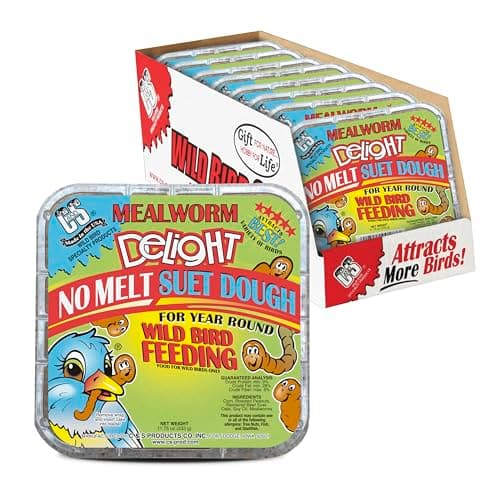
C&S Mealworm Delight No Melt Suet Dough
C&S · Suet that survives a warm afternoon
A no-melt suet dough with mealworms in it, which is the version to buy whenever the temperature climbs, because plain rendered suet turns to grease and coats birds' feathers.
Published specifications
- Ingredients
- Corn, roasted peanuts, rendered beef suet, oats, soy oil, mealworms
- Crude protein
- 11.0% min
- Crude fat
- 24.0% min
- Crude fiber
- 12.0% max
- Format
- Standard cake, fits a single-cake cage
What it does well
- The no-melt formulation holds its shape in warm weather, unlike plain suet
- Mealworms in the dough pull in birds that ignore a plain seed cake
What it does not
- Corn is the first ingredient, so a share of it goes to starlings and grackles
- No suet is truly heatproof; in a hot spell, take it down
Specifications above come from the manufacturer's own published listing: C&S Mealworm Delight published ingredients and analysis.
#ad How we are funded · Price as of October 22, 2026
#2 · The autumn staple
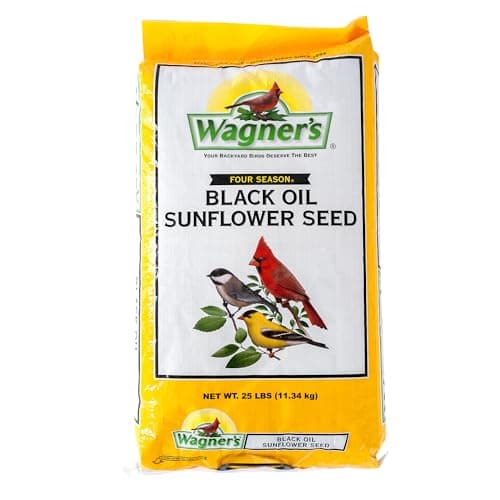
Wagner's Black Oil Sunflower Seed
Wagner's · The first bag of seed you should buy
One hundred percent black oil sunflower with nothing else in the bag, which is the seed the widest range of feeder birds actually eats, at the lowest cost per bird you will find.
Published specifications
- Ingredients
- 100% black oil sunflower
- Crude protein
- 14.0% min
- Crude fat
- 24.0% min
- Crude fiber
- 35.0% max
- Moisture
- 15.0% max
What it does well
- One ingredient, so there is nothing in the bag birds will throw on the ground
- Cardinals, chickadees, finches and sparrows all take it
- The cheapest way to fill a feeder that birds will actually empty
What it does not
- The hulls make a mess under the feeder and can kill the grass
- Squirrels like sunflower as much as birds do
Specifications above come from the manufacturer's own published listing: Wagner's Four Season black oil sunflower published analysis, Project FeederWatch — seed preferences.
#ad How we are funded · Price as of October 22, 2026
#3 · The cage to hang it in
Nature's Way Tail-Prop Suet Feeder (CWF1)
Nature's Way · Woodpeckers, including the big ones
A single-cake suet cage with an extended cedar back panel that gives a woodpecker somewhere to brace its tail, which is the difference between a visit and a feeding session.
Published specifications
- Dimensions
- 12" H x 7.875" L x 3" W
- Capacity
- 1 standard suet cake
- Materials
- Premium cedar with rust-free hardware
What it does well
- The tail prop is not marketing: woodpeckers brace their tails when they feed
- One cake at a time means suet does not sit out going rancid
What it does not
- The open cage is easy for squirrels and starlings
- Holds one cake, so it needs refilling in cold weather
Specifications above come from the manufacturer's own published listing: Nature's Way CWF1 published specifications.
Common questions
When should I put bird feeders out?
Any time. Early autumn is the easiest start, because natural food is still plentiful while you get the placement and the seed right.
When should I start feeding birds again after summer?
Early autumn works well. Birds establishing winter routes in September and October will find you before the weather turns.
Should bird feeders be used in winter?
Yes, and winter is when they matter most. Keep them stocked, keep them clean, and clear snow off perches and ports.
When should I feed suet?
From October onward as standard. Use a no-melt dough while the weather is still warm, and take suet down in a genuine hot spell.