Setup & Placement
The bird feeding starter kit
Five things. Buy them together and nothing is missing on the day you want to hang it up.
By Scooter M. · Published · Last updated
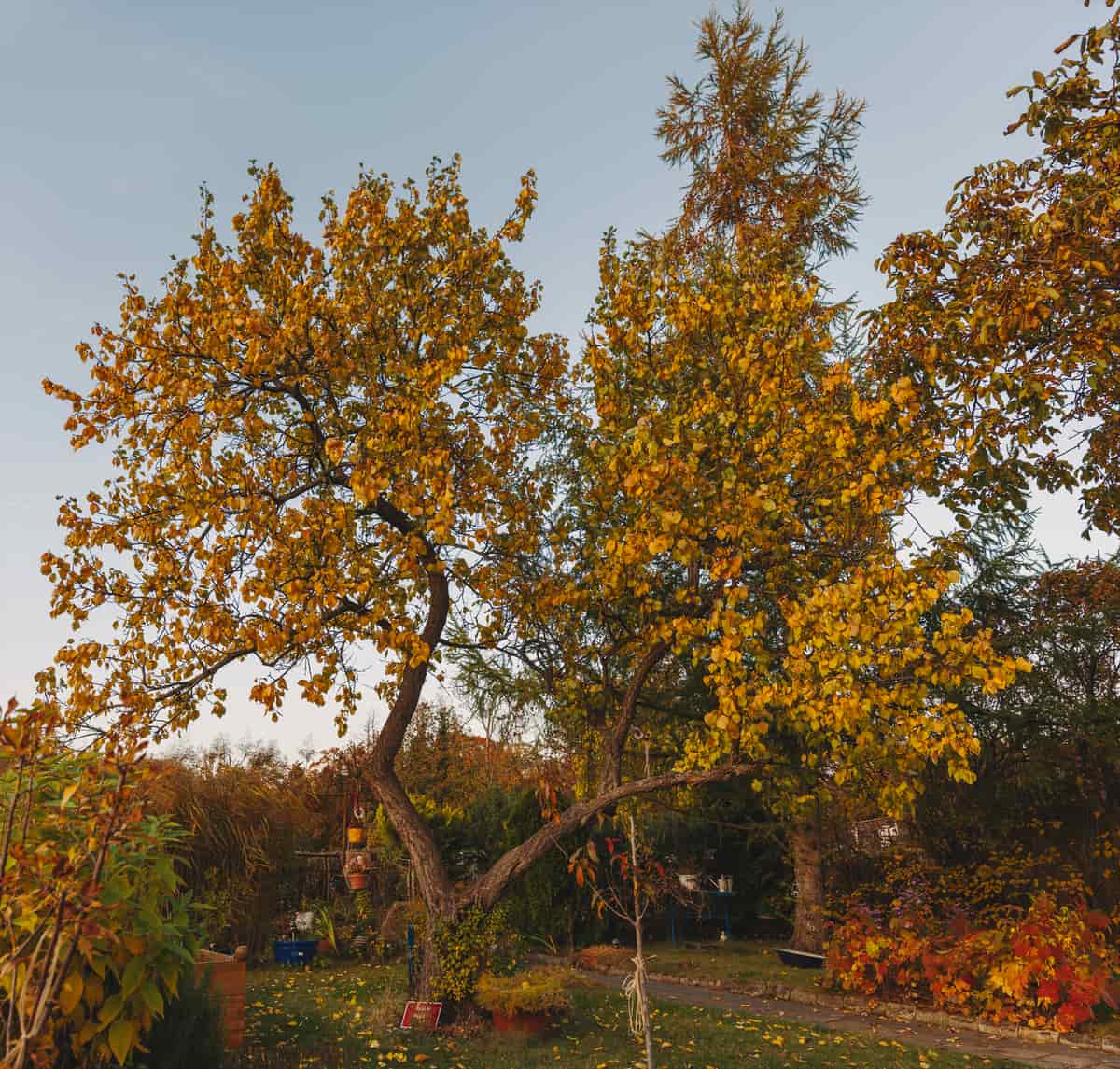
A complete first setup is five items: a tube feeder, a bag of black oil sunflower seed, a pole, a steel baffle, and a bottle brush. Add a suet cage if you are starting in the fall. Bought together, that covers everything a first feeder needs, including the parts most people forget.
Seed & Sprig earns a commission when you buy through the links on this page, at no extra cost to you. It does not change which products we pick or the order we put them in — here is how we pick and here is how we are funded.
Quick picks
| # | Product | Best for | Price |
|---|---|---|---|
| 1 | DYno photo Droll Yankees Onyx Clever Clean 18" Sunflower Tube Feeder 2 lb, four ports, twist-off base. The easy default. | The feeder | |
| 2 | 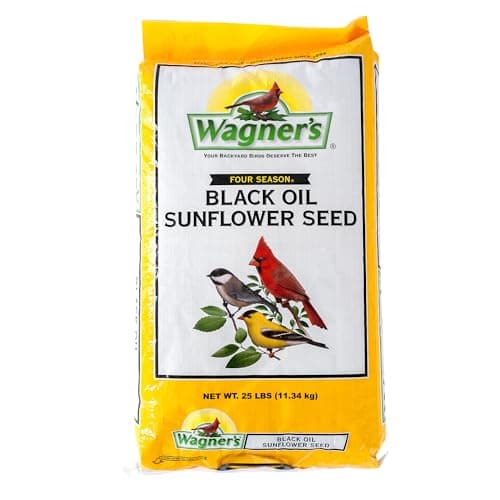 Wagner's Black Oil Sunflower Seed 100% black oil sunflower. One ingredient, widest appeal. | The seed | $41.98 · View on Amazon #ad How we are funded · Price as of October 22, 2026 |
| 3 | SSno photo Squirrel Stopper Sequoia Pole System Integrated moving baffle and four arms — room to grow into. | The pole | |
| 4 | Eno photo Erva SB1D Cylindrical (Torpedo) Squirrel Baffle 16.75 in steel cylinder. Mount the top at least 4.5 ft up. | The baffle, if your pole has none | |
| 5 | NWno photo Nature's Way Tail-Prop Suet Feeder (CWF1) Suet is the fastest route to woodpeckers once the weather turns. | The fall add-on |
Rows link to the full write-up further down this page. The price button goes to Amazon.
The reason to think of this as a kit rather than a feeder is that the parts people forget are the parts that decide whether it works: the pole, the baffle and the brush. Almost nobody forgets the feeder.
What each part is for
| Item | What it does | If you skip it |
|---|---|---|
| Feeder | Holds the seed, decides which birds can reach it | Nothing to hang up |
| Black oil sunflower | The single seed with the widest appeal | A filler mix, most of which ends up raked off the lawn |
| Pole | Puts the feeder somewhere you choose rather than where a branch happens to be | The feeder hangs from a tree, which is the easiest place for a squirrel to reach |
| Baffle | Geometry that a squirrel cannot climb past | You buy a more expensive feeder instead, and it still gets raided from above |
| Bottle brush | Makes the every-week-or-two clean a two-minute job | The clean does not happen, and by midwinter the feeder is a health risk |
Sizing the kit to your space
A lawn: the full five, with a pole system. This is the setup that grows — the Sequoia's four arms mean you can add suet, nyjer and peanuts later without buying anything structural.
A deck or patio: skip the pole, and buy a weight-closing feeder instead. A deck rail is within jumping distance of everything, so the mechanism has to do the work.
A balcony: a small tube on a rail bracket or a window feeder, a seed tray to catch hulls, and a smaller bag of seed. Detail in balcony feeding.
How much seed to buy first
The smallest bag that will last about a month. Seed is a food product: it absorbs damp and goes stale, and a twenty-five pound sack is only a saving if you can keep it dry and get through it. Once you know your traffic, size up. Storage rules are in how to store bird seed, and the running arithmetic is in what it costs to feed birds.
The order to do it in
- Pick the spot first, using the distances in the placement guide.
- Install the pole, vertical and firm.
- Fit the baffle, top at least four and a half feet from the ground. Measure it.
- Hang the feeder, half-filled.
- Put the brush somewhere you will see it, so the first clean actually happens.
What to add later, and when
- October: a suet cage. Highest-energy food, and the fastest way to bring in woodpeckers.
- Any time cardinals appear: a platform tray, because they will not use a small tube port.
- Once the tube is busy: a nyjer feeder for goldfinches.
The picks in full
#1 · The feeder
Droll Yankees Onyx Clever Clean 18" Sunflower Tube Feeder
Droll Yankees · A plain, well-made first tube feeder
A straightforward polycarbonate tube whose base twists off in seconds, which is the single feature that decides whether a feeder gets cleaned or quietly turns into a health problem.
Published specifications
- Seed capacity
- 2 lb
- Height
- 18"
- Feeding ports
- 4
- Materials
- UV-stabilized polycarbonate tube; powder-coated metal cap, base and ports
- Cleaning
- Twist-and-release removable base; one-touch top opening
What it does well
- The removable base turns cleaning from a chore into a two-minute job
- Metal ports resist squirrel chewing better than all-plastic tubes
- Short perches keep grackles and jays off without excluding finches
What it does not
- No squirrel mechanism at all, so this feeder needs a baffle or a pole
- Four ports fill up quickly at a busy station
Specifications above come from the manufacturer's own published listing: Droll Yankees Onyx Clever Clean published specifications.
#2 · The seed
Wagner's Black Oil Sunflower Seed
Wagner's · The first bag of seed you should buy
One hundred percent black oil sunflower with nothing else in the bag, which is the seed the widest range of feeder birds actually eats, at the lowest cost per bird you will find.
Published specifications
- Ingredients
- 100% black oil sunflower
- Crude protein
- 14.0% min
- Crude fat
- 24.0% min
- Crude fiber
- 35.0% max
- Moisture
- 15.0% max
What it does well
- One ingredient, so there is nothing in the bag birds will throw on the ground
- Cardinals, chickadees, finches and sparrows all take it
- The cheapest way to fill a feeder that birds will actually empty
What it does not
- The hulls make a mess under the feeder and can kill the grass
- Squirrels like sunflower as much as birds do
Specifications above come from the manufacturer's own published listing: Wagner's Four Season black oil sunflower published analysis, Project FeederWatch — seed preferences.
#ad How we are funded · Price as of October 22, 2026
#3 · The pole
Squirrel Stopper Sequoia Pole System
Squirrel Stopper · Building the whole feeding station in one purchase
A steel pole with an integrated moving baffle and four hanging arms, and the closest thing to a complete answer, because it fixes the placement problem and the climbing problem at once.
Published specifications
- Pole
- 1.25" diameter, 16-gauge tubular steel
- Hanging stations
- 4 arms, 19" of clearance from the pole
- Height above ground
- Listed as 8 ft 2 in by some sellers and 7 ft 6 in by others — see note
- Baffle
- Integrated baffle that moves up, down and side to side
What it does well
- Four arms means seed, suet, nyjer and peanuts all run from one baffled pole
- The moving baffle defeats squirrels that would grip a fixed one
- Solves the real problem, which is placement, rather than only the feeder
What it does not
- Published height figures disagree between sellers (8 ft 2 in vs 7 ft 6 in), so measure before assuming it clears the 9-foot drop rule
- Needs 10 feet of clear space around it to work as advertised, which many small yards do not have
- The most expensive single item in a beginner setup
Specifications above come from the manufacturer's own published listing: Squirrel Stopper Sequoia published specifications (seller listing), Squirrel Stopper Sequoia specifications (second seller, conflicting height).
#4 · The baffle, if your pole has none
Erva SB1D Cylindrical (Torpedo) Squirrel Baffle
Erva · Pole-mounted feeders
A long steel cylinder a squirrel cannot get around or hug past, and the single most effective thing you can buy after the feeder itself.
Published specifications
- Length
- 16.75"
- Diameter
- 6.25"
- Type
- Pole-mounted cylindrical baffle
What it does well
- Length is what defeats a squirrel here: it cannot reach past the top
- Steel, so it survives winters and chewing
What it does not
- Useless if the pole sits within jumping distance of a fence, wall or branch
- Must be mounted high enough that a squirrel cannot leap over it entirely
Specifications above come from the manufacturer's own published listing: Erva SB1D published dimensions.
#5 · The fall add-on
Nature's Way Tail-Prop Suet Feeder (CWF1)
Nature's Way · Woodpeckers, including the big ones
A single-cake suet cage with an extended cedar back panel that gives a woodpecker somewhere to brace its tail, which is the difference between a visit and a feeding session.
Published specifications
- Dimensions
- 12" H x 7.875" L x 3" W
- Capacity
- 1 standard suet cake
- Materials
- Premium cedar with rust-free hardware
What it does well
- The tail prop is not marketing: woodpeckers brace their tails when they feed
- One cake at a time means suet does not sit out going rancid
What it does not
- The open cage is easy for squirrels and starlings
- Holds one cake, so it needs refilling in cold weather
Specifications above come from the manufacturer's own published listing: Nature's Way CWF1 published specifications.
Common questions
What do I need to start feeding birds?
A feeder, black oil sunflower seed, a pole, a baffle and a cleaning brush. Add a suet cage if you are starting in autumn.
Are bird feeding starter kits worth buying?
Boxed kits usually pair a cheap feeder with a filler-heavy seed mix. Buying the five items separately costs a little more and each part is the right part.
How much seed should I buy to start?
The smallest bag that lasts about a month. Seed goes stale, and stale seed is the most common reason a feeder gets ignored.
Do I need a suet feeder straight away?
Not straight away, but it is the best second purchase if you are starting in the fall. Suet brings in woodpeckers faster than anything else.