Hub
Bird seed, explained by what is actually in the bag
The single highest-leverage decision a new feeder-watcher makes, and the one the packaging works hardest to obscure.
By Scooter M. · Published · Last updated
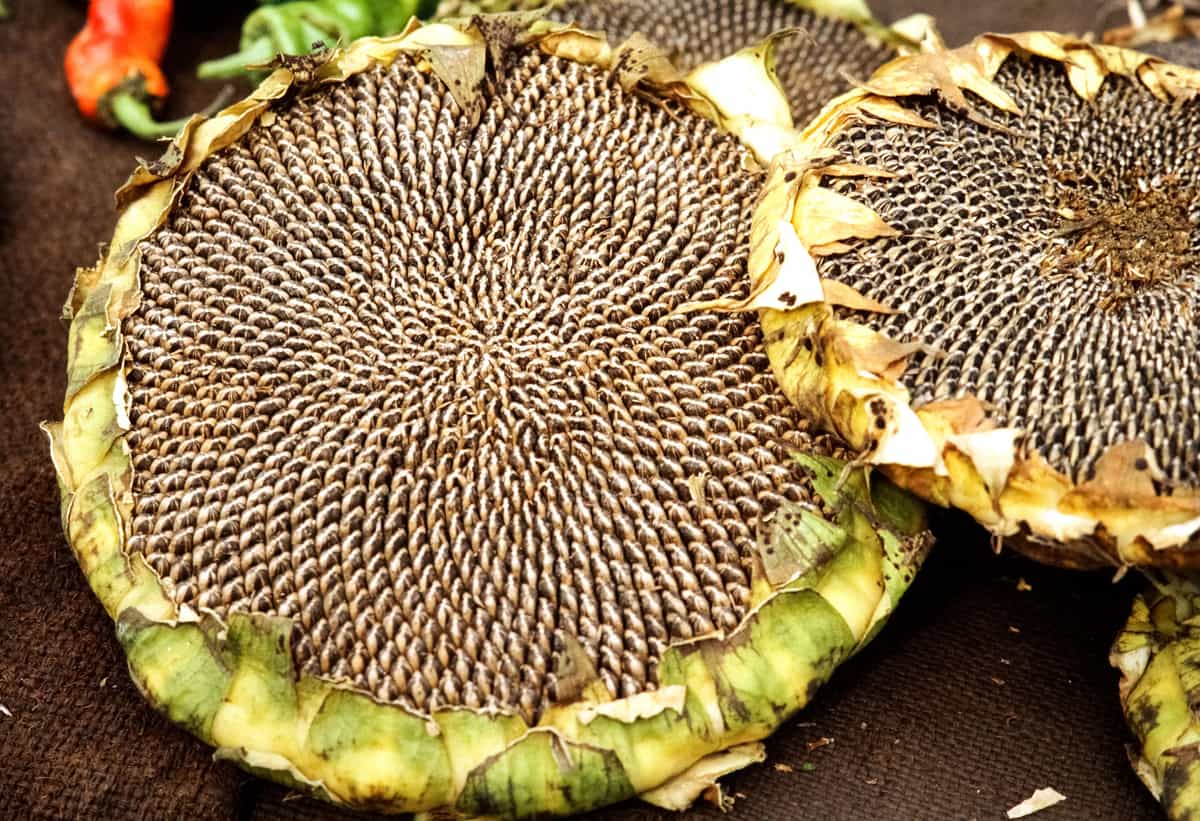
Start with straight black oil sunflower seed. Project FeederWatch calls it the preferred food of a wide variety of birds, and it costs less per bird than any mix. Avoid bags with milo listed high in the ingredients, because most birds will not eat it and it ends up under the feeder.
Seed is where beginners lose the most money, and they lose it invisibly. A cheap twenty pound bag looks like a bargain until you realize a third of it is milo that no bird in your yard will touch. You did not save money; you bought less seed in a bigger bag and then swept the difference off the patio.
The short version
- Black oil sunflower is the default. Widest appeal, best value, one ingredient. Start here. See our seed picks.
- Safflower is the cardinal-friendly seed most squirrels leave alone — with an honest caveat, covered in safflower and squirrels.
- Nyjer is only for finches, and only in a narrow-port finch feeder.
- Suet is winter fuel and the fastest way to bring in woodpeckers. See suet and suet cakes.
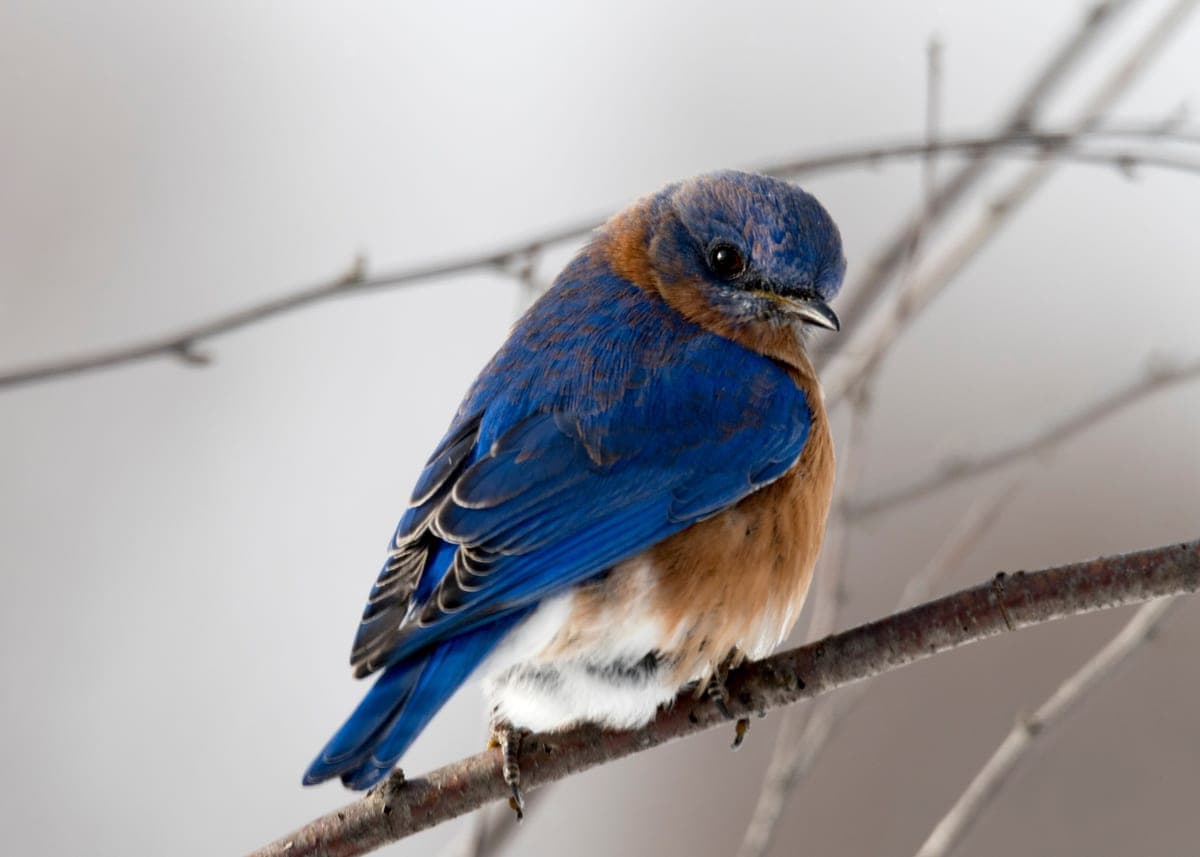
- Mealworms feed the insect-eaters that ignore seed entirely, like bluebirds and wrens.
The fillers, named
Project FeederWatch is direct about milo: it is “not a favorite of most birds, and the seed often goes to waste,” and in the east it is best to avoid mixes with large amounts of it. Red millet and cracked corn are the other two ingredients that pad a cheap mix. None of them is poison. They are simply not what most feeder birds want, and every pound of them is a pound you paid for and then raked up.
Turn the bag over. If milo, red millet or cracked corn is in the first three ingredients, the bag is mostly filler, whatever the front of it says. This one habit will do more for your feeding budget than any feeder you buy.
How much seed will you actually get through?
More than you expect, and the answer is a function of capacity, not appetite. A two pound tube at a busy autumn station empties in a couple of days. A twelve pound hopper can run for weeks — which sounds better until you remember that seed sitting damp at the bottom of a hopper for three weeks is exactly how mold starts.
The arithmetic, the storage rules, and what it realistically costs to run a feeder are in what it costs to feed birds and how to store bird seed.
Seed decides which feeder you need
This is the connection nobody makes on the shop floor. Nyjer will pour straight out of a sunflower port. Sunflower will bridge and jam in a nyjer port. Peanuts need a mesh cage. Suet needs a wire cage or a tail-prop panel. Choose the food first, then buy the feeder that holds it — not the other way round.
If you have not chosen a feeder yet, read feeder types alongside this, and if you want the whole first-purchase decided for you, the starter kit lists the seed, feeder and hardware as one set.
One thing to get right on day one
Buy the smallest bag that will last you about a month. Seed is a food product: it goes stale, it absorbs damp, and old nyjer in particular is the single most common reason a finch feeder sits ignored. A twenty-five pound bag is only a saving if you can keep it dry and get through it before it turns.
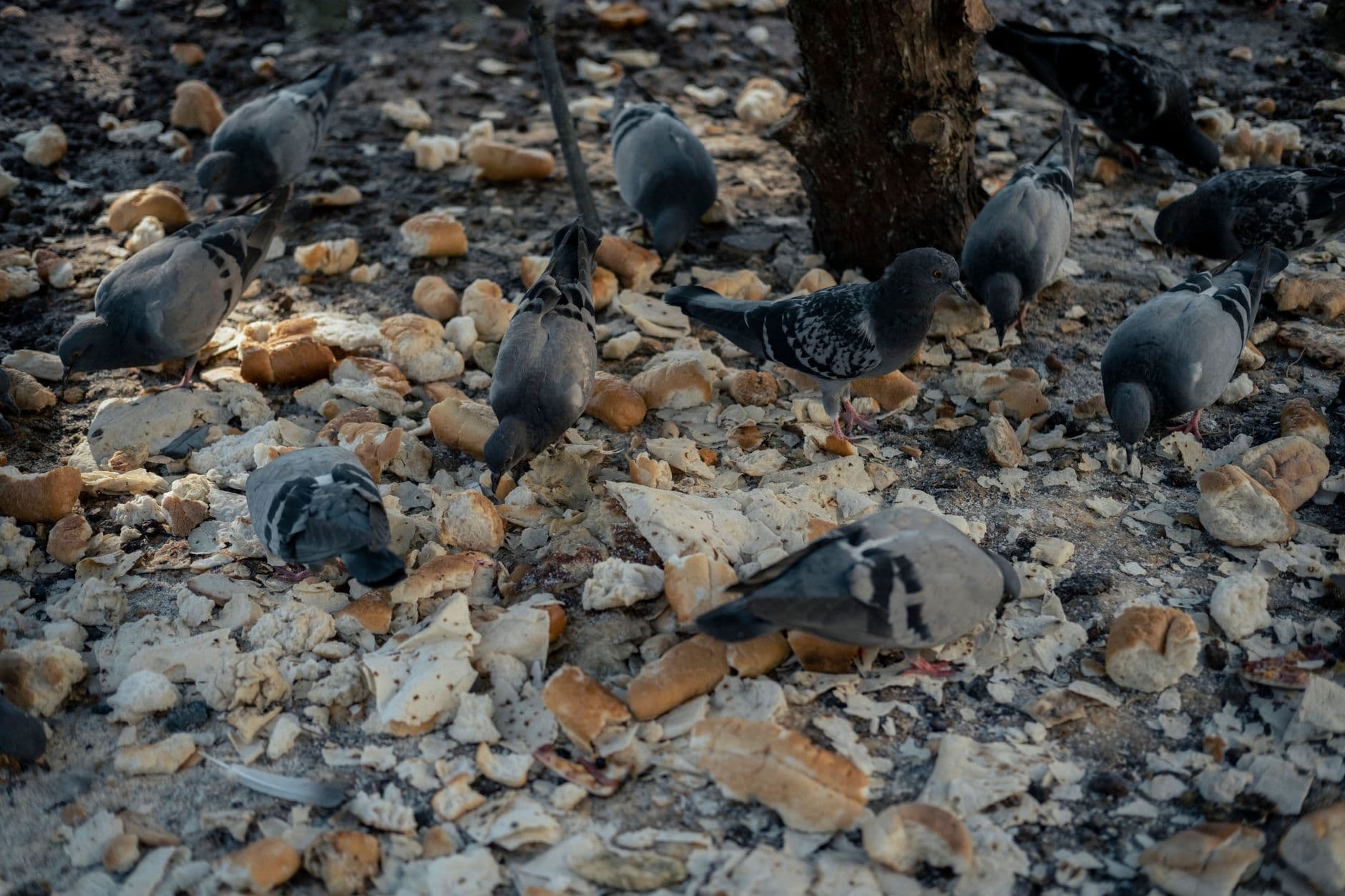
And if the bag runs out on a cold morning, do not reach for the bread bin. Which kitchen foods are genuinely safe and which are not is answered food by food in can birds eat bread.
Everything in Bird Seed
Every page in this section, with the top pick and its price where there is one.
Roundup
The best bird seed for wild birds
Six bags ranked on published ingredients and guaranteed analysis — what to buy first, what to buy for a patio, and the mix to skip.
Top pick · Best overall
Wagner's Black Oil Sunflower Seed
#ad How we are funded · Price as of October 22, 2026
Guide
Bird seed types, and who actually eats them
Every common seed explained: what it is, who eats it, what it costs you — and the three ingredients that are there to add weight.
Top pick · The default seed
Wagner's Black Oil Sunflower Seed
#ad How we are funded · Price as of October 22, 2026
Comparison
No-mess bird seed, compared honestly
Shell-free versus hulled-but-padded, the real cost per edible pound, and when a catch tray does the job for less.
Top pick · Best genuinely filler-free
Lyric Delite No Waste Mix
#ad How we are funded · Price as of October 22, 2026
Guide
The best seed for each bird you want
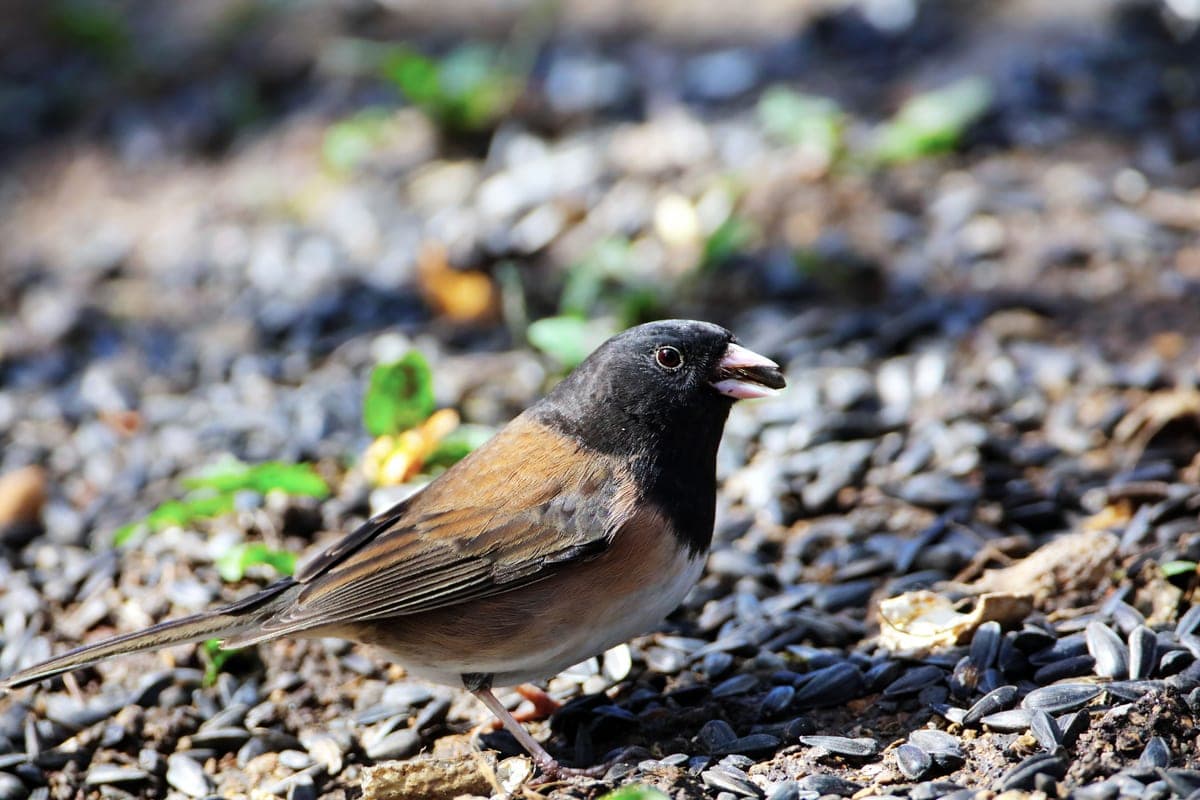
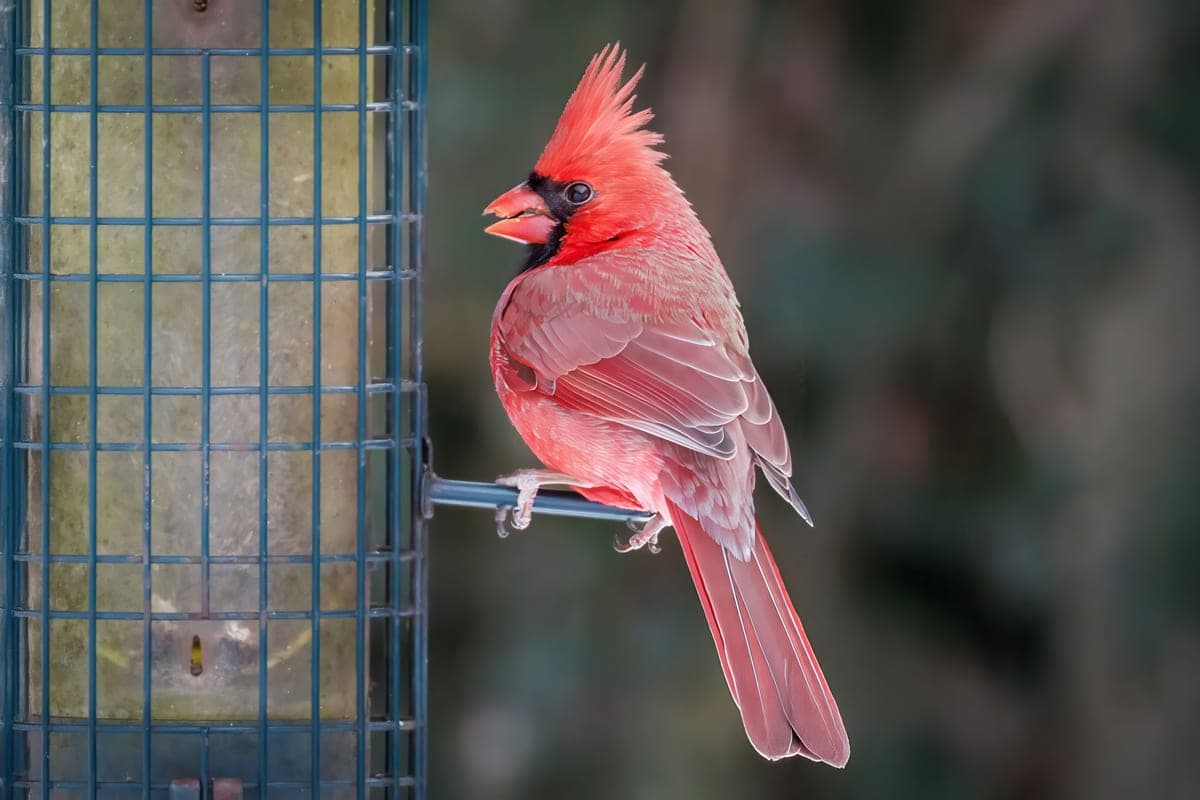
Pick the bird, get the seed and the feeder: cardinals, finches, jays, chickadees, woodpeckers, bluebirds and juncos.
Top pick · For cardinals
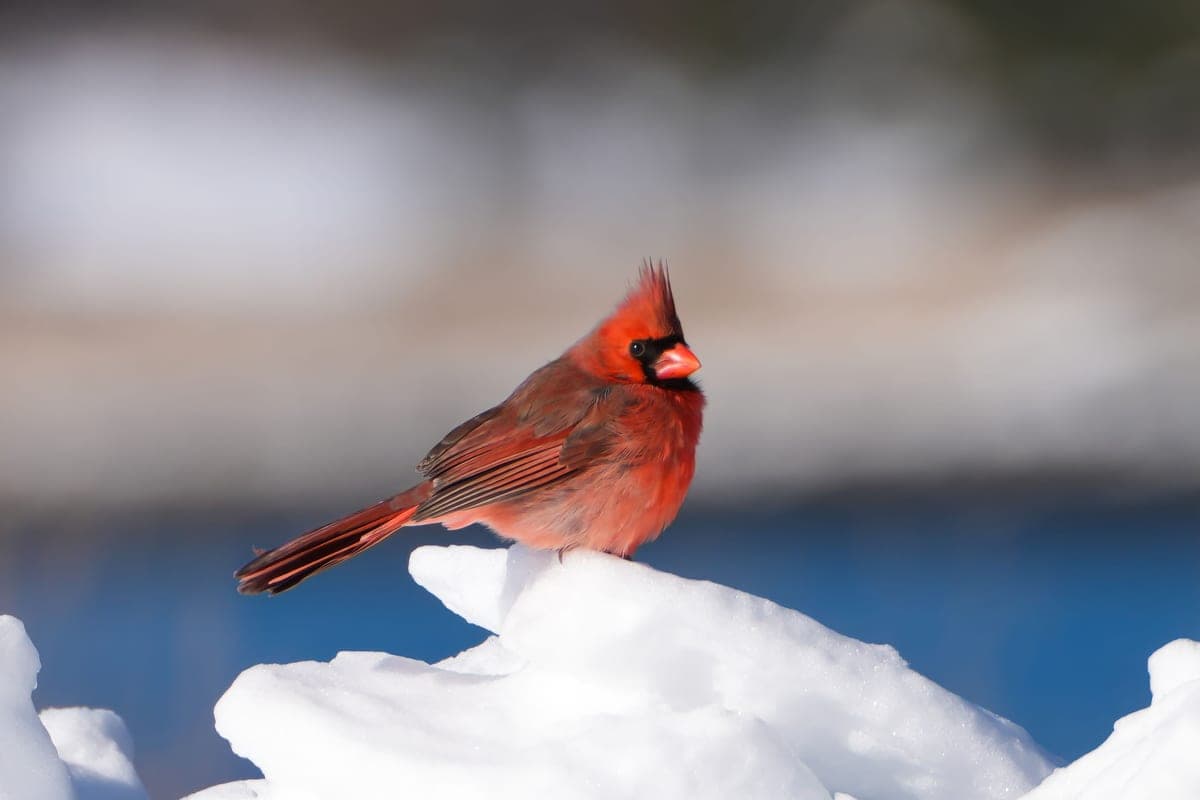
Wagner's Safflower Seed
#ad How we are funded · Price as of October 22, 2026
Guide
Safflower and squirrels: the honest version
The cheapest squirrel experiment there is: what safflower is, who eats it, and the honest conditions under which it fails.
Top pick · The seed to try
Wagner's Safflower Seed
#ad How we are funded · Price as of October 22, 2026
Comparison
Suet and suet cakes
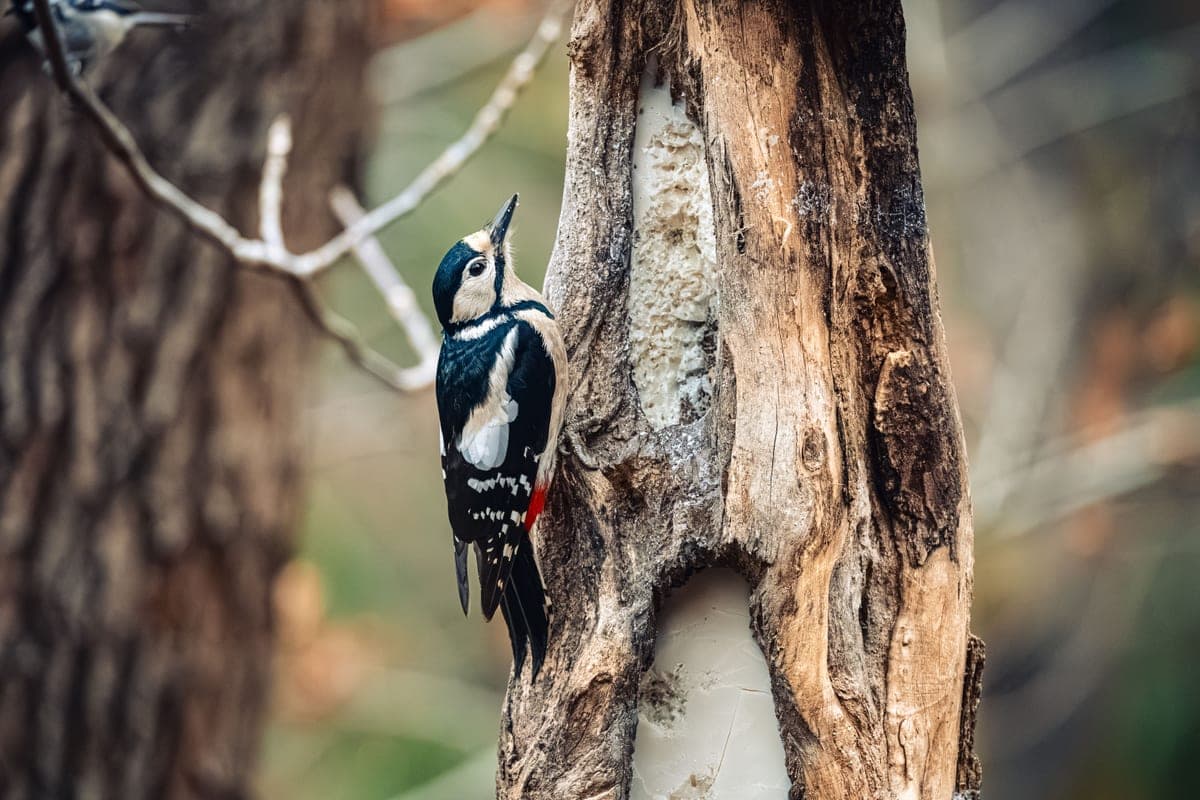
What suet is, the warm-weather rule that matters, which birds it brings, and how to keep starlings off it.
Top pick · Best all-round cake
C&S Mealworm Delight No Melt Suet Dough
#ad How we are funded · Price as of October 22, 2026
Guide
Nyjer seed, and why your finch feeder is being ignored
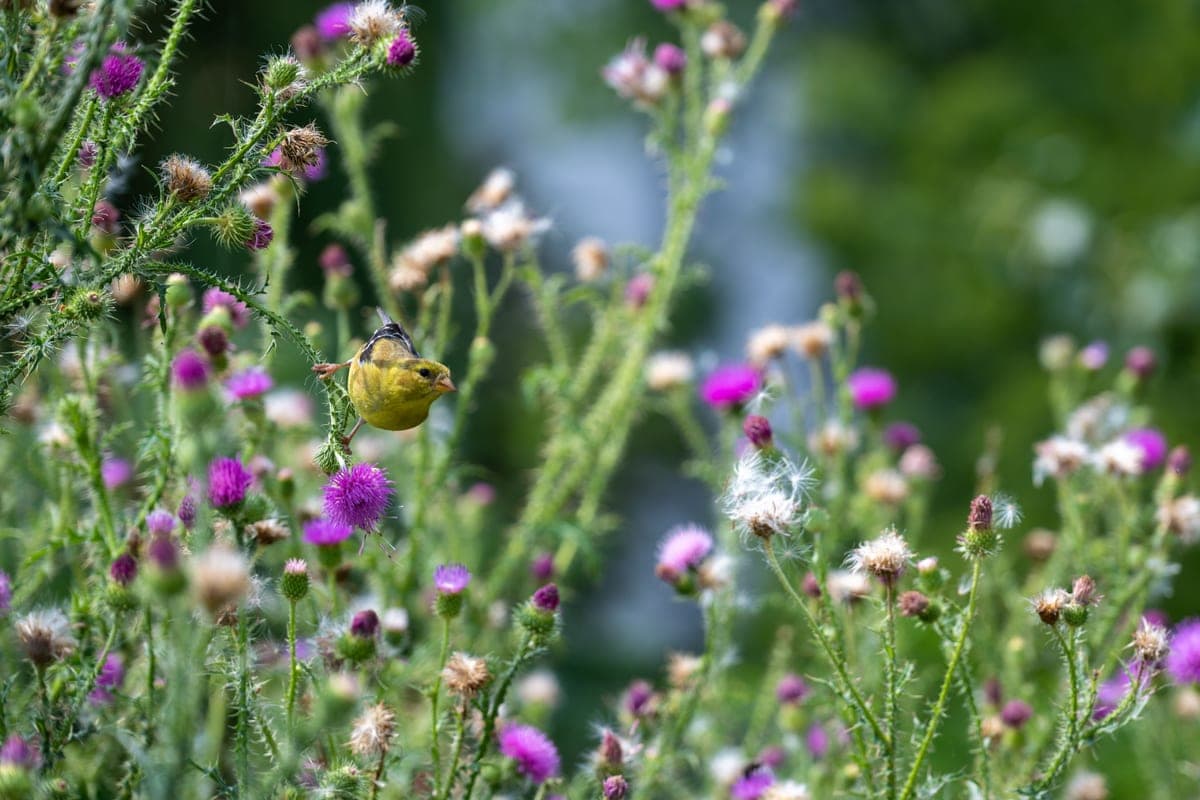
What nyjer is, which birds it brings, why it goes stale so fast, and the fix when a finch feeder is being ignored.
Top pick · The seed
Wagner's Nyjer Seed
#ad How we are funded · Price as of October 22, 2026
Guide
How to store bird seed
Sealed, cool, dark and about a month at a time — plus how to tell when a bag has turned and what to do with it.

Guide
What it actually costs to feed birds
The formula for your own running cost, why cost per edible pound is the number that matters, and where the money actually goes.
Top pick · Lowest cost per bird fed
Wagner's Black Oil Sunflower Seed
#ad How we are funded · Price as of October 22, 2026
Comparison
Bird seed without fillers, and how to spot the fillers
The three fillers to look for on an ingredient panel, why the cheap bag costs more per edible pound, and four bags with nothing wasted in them.
Top pick · Best filler-free bag overall
Wagner's Black Oil Sunflower Seed
#ad How we are funded · Price as of October 22, 2026
Guide
The patch under the feeder, and how to stop it
Why the grass dies under a feeder and sunflowers come up instead, plus the four fixes ranked by how completely each one works.
Top pick · The fix that actually ends it
Lyric Delite No Waste Mix
#ad How we are funded · Price as of October 22, 2026
Guide
Buying bird seed in bulk
When a 25 lb bag genuinely saves money, when it quietly costs more, and the storage that decides which of the two happens.
Top pick · Best bulk buy
Wagner's Black Oil Sunflower Seed
#ad How we are funded · Price as of October 22, 2026
Roundup
Seed cylinders, cakes and bells
Cylinders, logs, cakes and bells compared on published weights — what the format genuinely solves, what it costs per pound, and who should buy it.
Top pick · Best seed cylinder
Mr. Bird WildBird Feast Cylinder, 4 lb
#ad How we are funded · Price as of October 22, 2026
Roundup
The best bird seed storage containers
Steel against chewing, gaskets against damp, and a pour container for refills. Six picks, sized to how much seed you actually buy.
Top pick · Best overall
Behrens 6-Gallon Galvanized Steel Can with Locking Lid
Roundup
Mealworms for birds
What to buy, how much, what to serve it in, and the cheaper nugget alternative that feeds the same birds.
Top pick · Start here
Kaytee Dried Mealworms
#ad How we are funded · Price as of October 22, 2026
Roundup
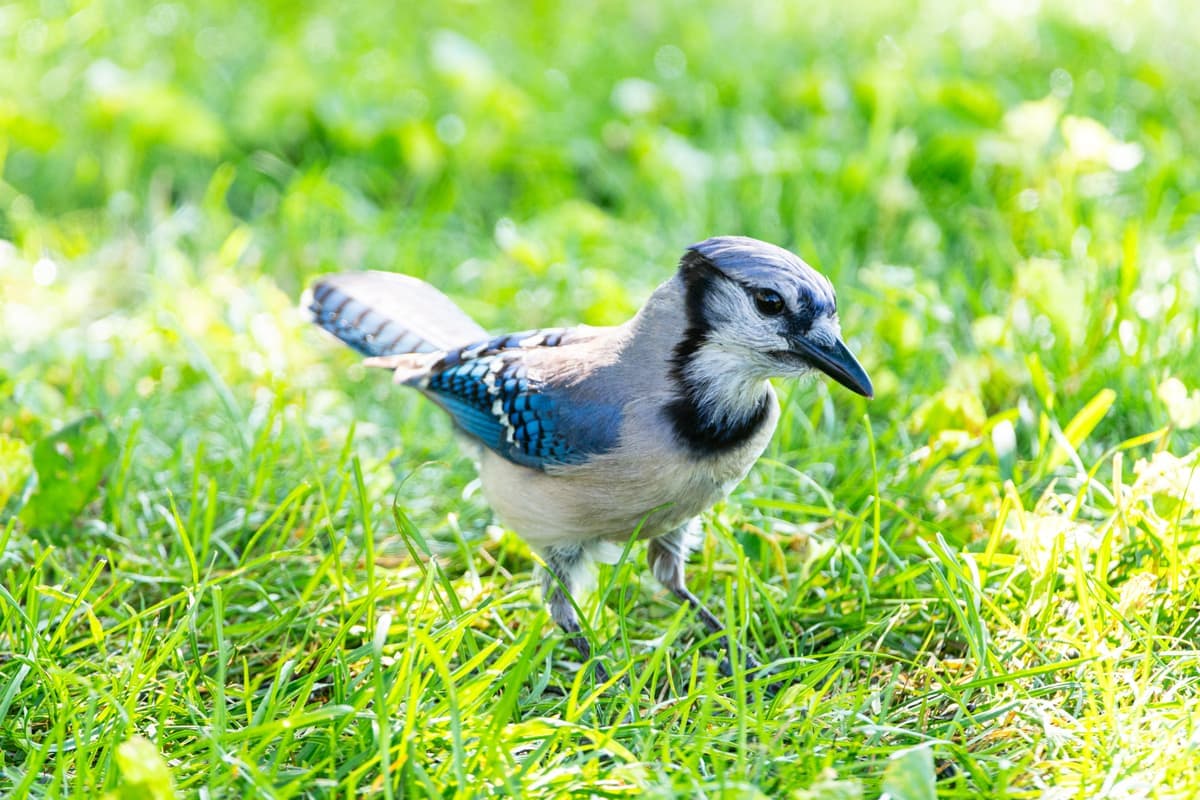
Peanuts for birds
In-shell for jays, pieces for small birds, what to avoid buying, and the mold rule that matters more than the brand.
Top pick · Best all-round buy
Wagner's Shelled Peanut Pieces, 10 lb
#ad How we are funded · Price as of October 22, 2026
Guide
Can birds eat bread? And what else from the kitchen
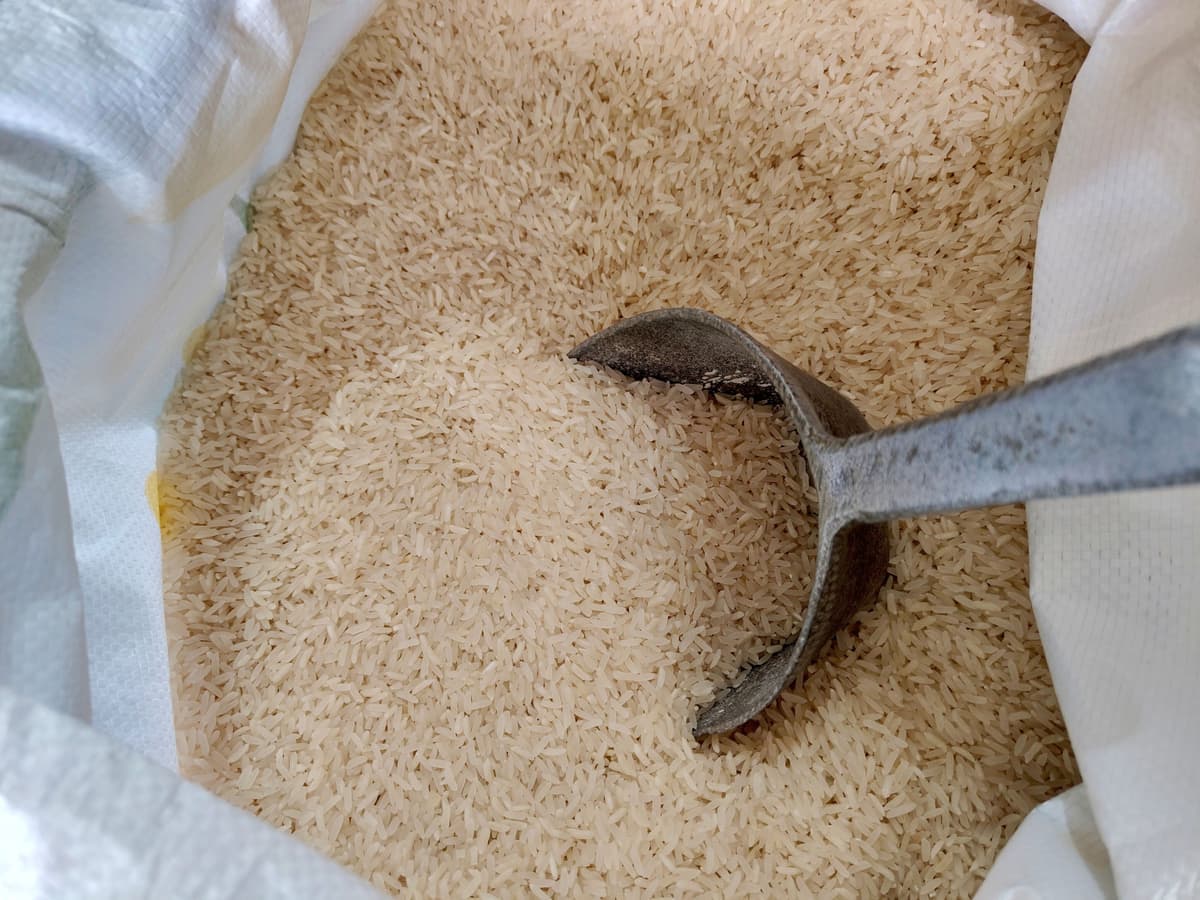
Bread, rice, oats, popcorn, peanut butter and pumpkin seeds, each answered with a reason — and the cheap bag to buy instead.
Top pick · Instead of bread
Wagner's Black Oil Sunflower Seed
#ad How we are funded · Price as of October 22, 2026
Common questions
What is the best bird seed for wild birds?
Black oil sunflower, for almost every yard. It has the widest appeal of any single seed and is the cheapest way to fill a feeder that birds will empty. Our picks are in the best bird seed.
What bird seed should I avoid?
Mixes heavy in milo, red millet or cracked corn. Project FeederWatch says milo is not a favorite of most birds and often goes to waste. Check the ingredient panel rather than the picture on the front.
How do I stop bird seed sprouting under the feeder?
Use a hulled or shell-free mix. Seed without its shell cannot germinate, which is why no-waste blends leave no weeds. See no-mess bird seed.
Does expensive bird seed attract more birds?
Not necessarily more birds — but usually less waste. A no-waste mix costs more per pound and delivers more edible food per pound. Plain black oil sunflower still beats almost everything on cost per bird fed.