Feeder Types
Bird feeders for mourning doves and the ground crowd
Doves, juncos and sparrows are feeding under your feeder, not at it. One flat surface fixes that.
By Scooter M. · Published · Last updated
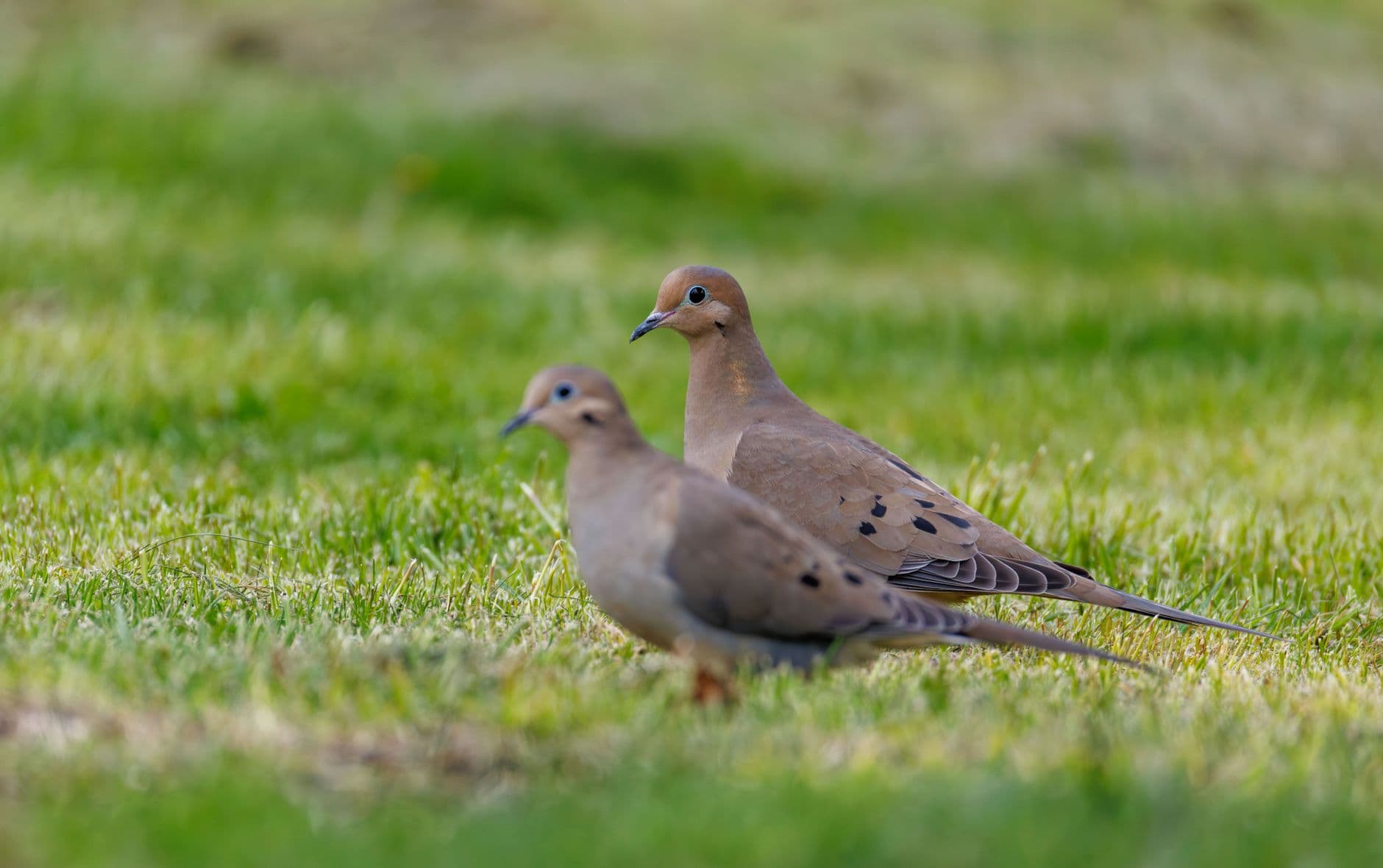
Doves need a flat surface, not a perch: an open cedar tray with a draining screen, like the Wild Wings WWCF23, is the feeder for them, and cracked corn mixed with millet is the seed they are looking for. Mount the tray on a baffled pole rather than scattering seed on the ground, which is what turns dove feeding into a rodent problem.
Seed & Sprig earns a commission when you buy through the links on this page, at no extra cost to you. It does not change which products we pick or the order we put them in — here is how we pick and here is how we are funded.
Quick picks
| # | Product | Best for | Price |
|---|---|---|---|
| 1 | 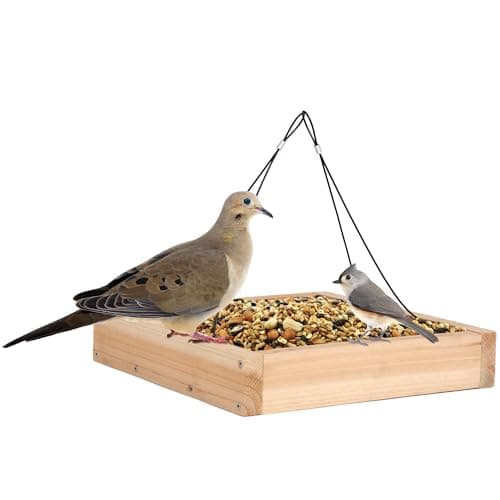 Wild Wings Cedar Hanging Tray Feeder (WWCF23) A ten-inch cedar tray with a removable draining insert. The shape doves actually feed on. | Best overall | $15.31 · View on Amazon #ad How we are funded · Price as of October 22, 2026 |
| 2 | 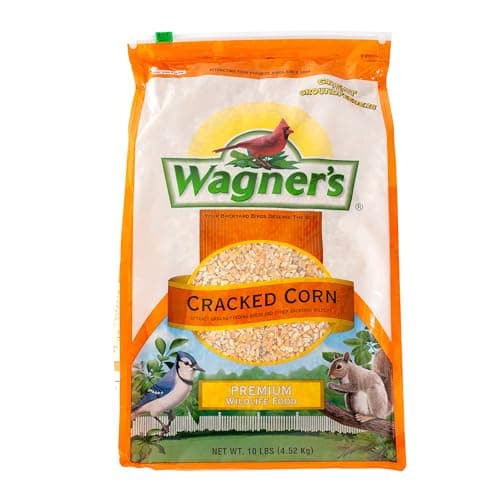 Wagner's Cracked Corn Wild Bird Food, 10 lb Ten pounds of cracked corn. FeederWatch names it for doves, quail and sparrows. | The seed they want | $12.98 · View on Amazon #ad How we are funded · Price as of October 22, 2026 |
| 3 | NWno photo Nature's Way Cedar Platform Tray Feeder (CWF3) A larger cedar platform with a screen bottom. Its exact model is not always in stock. | Bigger tray, if you can get it | |
| 4 | 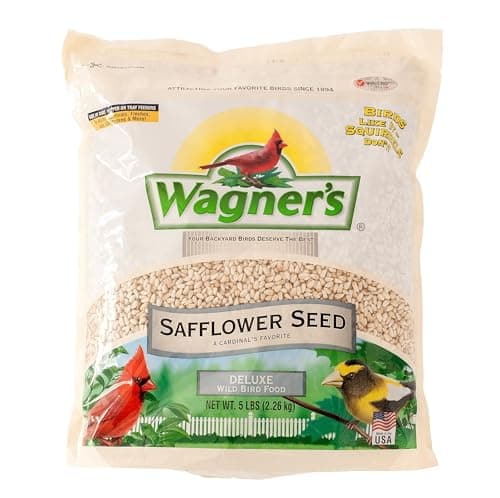 Wagner's Safflower Seed Doves take safflower readily; most squirrels leave it. The cheapest lever you have. | If squirrels find the tray | $11.98 · View on Amazon #ad How we are funded · Price as of October 22, 2026 |
| 5 | Eno photo Erva SB1D Cylindrical (Torpedo) Squirrel Baffle A tray on a baffled pole. Without the baffle you are feeding the climbers. | The part that makes it work |
Rows link to the full write-up further down this page. The price button goes to Amazon.
If you have mourning doves in your yard, you have probably watched them doing the same thing for months: walking around underneath the tube feeder, picking up what the chickadees flick out. That is not the dove being patient. It is a bird that physically cannot use the feeder you bought.
Audubon's account of the Mourning Dove is unambiguous about it: the bird forages mainly on the ground, will come to bird feeders, and often eats on the ground under elevated feeders. Its diet is approximately 99 percent seeds. There is nothing wrong with your seed. There is something wrong with the shape of your feeder.
Why a dove cannot use a tube feeder
Three reasons, all about the bird's body rather than its preferences.
It needs to stand, on something wide. A chickadee grips a peg at any angle. A dove is a heavy, round, short-legged bird that wants a flat platform it can walk on, facing the food. A two-inch tube perch gives it nowhere to put its feet.
It eats fast and in bulk. Audubon describes a bird that eats quickly to fill its crop with seeds, then digests them while resting. That behavior needs an open surface with a lot of seed on it, not a port that releases a few kernels at a time.
It swallows grit. Doves regularly swallow small gravel to help grind hard seeds, which is part of why they are ground birds by habit even when food is available higher up.
The feeder: a flat tray, and where to put it
Maryland's Department of Natural Resources describes the right answer in its supplemental feeding guidance better than any product page does: platform feeders draw in the birds that feed on the ground some or all of the time, and cardinals, blue jays, juncos, sparrows and mourning doves will flock to a mixture of millet, sunflower, cracked corn, and peanut kernels in that kind of feeder. It then adds the sentence that matters most: platform feeders are best used when mounted on poles that have predator baffles on them.
That is the whole setup. A tray, on a pole, with a baffle under it. The tray gives doves the surface they need; the pole lifts the seed off wet ground; the baffle stops the animals that a tray of cheap seed would otherwise feed all night.
| Setup | Doves? | The catch |
|---|---|---|
| Tray on a baffled pole | Yes, several at once | Costs the most up front and needs a spot you can put a pole in |
| Hanging cedar tray | Yes, a couple at a time | Swings in wind, and nothing stops a squirrel reaching it from above |
| Low ground tray with a screen bottom | Yes, best of all | Closest to a pile of seed on the ground: exposed to cats, and it must be swept |
| Seed catcher tray under a tube feeder | Partly | Small, and it only holds what the small birds waste |
| Scattering seed on the ground | Yes | Feeds rodents and spreads disease. See the box below |
| Tube or hopper feeder | No | Nowhere to stand; they will work the ground underneath instead |
A screened or mesh bottom rather than a solid pan is worth insisting on. A solid tray holds rain, and wet seed in a flat pan is the fastest-spoiling food at any feeding station. Our platform feeder comparison has the full set of options, and the case against ground feeding is laid out here.
How we chose these
On published manufacturer specifications, checked against live listings in October 2026 so every pick is currently purchasable. No testing claim: we have not counted doves, and nobody should trust a site that says it has without showing the method.
Ranking went: is the feeding surface flat and wide enough for a bird the size of a dove; does it drain; can it go on a pole with a baffle; and does the seed pick match what the published sources say ground-feeding birds actually eat. Then price. Our full criteria are here.
The seed: the cheap bag is the right bag, for once
This is the one corner of this site where the seed we normally call filler is the correct purchase. Cracked corn and white millet are padding inside a mixed bag sold as premium seed, because the birds a tube feeder serves throw them out. Fed deliberately on a tray, to the birds that want them, they are food.
Project FeederWatch says cracked corn will attract doves, quail and sparrows, and suggests mixing cracked corn with millet and feeding a scoopful on the ground or a platform feeder. It describes millet as a favored food of many smaller, ground foraging birds.
| Seed | Who takes it | Notes |
|---|---|---|
| Cracked corn | Doves, quail, sparrows, jays, juncos | Cheapest food here. Also the top draw for rodents and squirrels |
| White proso millet | Juncos, sparrows, doves | The small round seed in mixed bags. Sold separately for a reason |
| Black oil sunflower | Doves, and everything else | Doves will take it from a tray; it is not their first choice |
| Safflower | Doves, cardinals, finches, chickadees | Most squirrels leave it. The useful trick on an open tray |
| Red milo | Few species outside the southwest | The actual filler. Buying it on purpose is a mistake |
Note the last row. Milo is the seed that makes a cheap mix cheap, and Maryland's DNR notes that common seed mixes often contain a substantial amount of red milo, which only a few species in the southwest eat. Cracked corn and millet are worth buying on purpose; milo is not. How to read the ingredient panel is here.
The same tray feeds juncos and sparrows
A dove tray is not a single-species purchase, which is most of the value in it. Audubon describes the Dark-eyed Junco as a bird that forages mostly while hopping and running on the ground and that tends to forage on the ground under the feeding tray, feeding heavily on seeds of weeds and grasses, especially in winter.
That is the same complaint as the dove, from a bird a fifth of the size. The flock of little brown birds working the ground under your feeder all winter is juncos and sparrows waiting for a flat surface, and millet is what they want on it.
Which makes the tray a winter purchase more than a summer one: the ground-feeding cohort is at its largest in cold months, which is also when bare ground and snow make natural seed hardest to find. Our winter guide covers the rest of that.
Should you want doves?
Worth answering honestly, because the usual complaint about doves is not that they will not come. It is that they will not leave.
A tray of cracked corn will hold a group of doves most of the day. They are heavy, they sit on the tray rather than visiting it, and they can empty a wide pan faster than you expect. If what you want is a feeder busy with chickadees and finches, a tray of corn twenty feet away is the best possible thing you can do for that — it gives the big ground birds somewhere else to be.
That split is the real recommendation on this page: a tube or caged feeder for the small birds, and a separate tray at a distance for the ground crowd. Two feeders with different jobs beat one compromise, and a caged feeder keeps the small-bird feeder small-bird only.
Keeping the rodents out of it
Everything that makes a tray good for doves makes it attractive to mammals: open, flat, loaded with cheap grain, at a height a squirrel considers a doorstep. Four things actually help.
- Put it on a pole with a baffle. Not on the ground, not hanging off a branch. Maryland's guidance names the predator baffle specifically for platform feeders. Our baffle comparison is here.
- Feed a measured amount. Enough to be gone by late afternoon. An empty tray overnight is not worth a rat's trip.
- Sweep underneath. Fallen corn is the problem, not the tray. The rodent playbook is here.
- Switch to safflower if squirrels take over. Doves take safflower readily and most squirrels leave it alone. The honest version of that claim is here.
What we would buy
- One purchase, done properly: a cedar platform tray on a pole with a baffle, filled with cracked corn and millet.
- No ground to put a pole in: a hanging cedar tray, filled with safflower rather than corn, and accept that squirrels will reach it.
- Doves and small birds both, without a fight: the tray twenty feet from a caged or tube feeder, so the two groups are not competing for one object.
- Testing whether doves will come at all: a handful of cracked corn on a seed catcher tray under your existing feeder, swept up each evening.
The thing to take away is that doves are not hard to attract and are impossible to serve from a tube. Give them a flat surface, put the cheap seed on it on purpose, raise it off the ground and baffle the pole — and the bird that has been pacing under your feeder for months will be standing on one instead.
The picks in full
#1 · Best overall
Wild Wings Cedar Hanging Tray Feeder (WWCF23)
Wild Wings · Cardinals, jays and anything that will not use a tube
A ten-inch cedar tray with a removable draining seed insert. Open trays are the most inclusive feeder there is, and the removable insert fixes the reason people avoid wooden ones.
Published specifications
- Size
- 10" x 10"
- Tray
- Removable fresh-seed tray that lifts out for cleaning
- Drainage
- Tray drains and allows airflow, per the listing
- Hardware
- Stainless steel screws, rust-free hardware, vinyl-coated hanging cable
- Materials
- Premium cedar with a water-based protective stain
- Model
- WWCF23
What it does well
- The lift-out tray is the single best feature a wooden feeder can have for hygiene
- Drainage and airflow directly address the wet-seed problem that ruins trays
- Takes seed, dried fruit, in-shell peanuts and corn, so it doubles as a peanut or mealworm platform
What it does not
- An open tray feeds squirrels, jays and ground birds as readily as the birds you want
- No roof: seed gets wet in rain unless you add a dome or hang it under cover
- Ten inches of open seed needs raking underneath and frequent cleaning
Specifications above come from the manufacturer's own published listing: Wild Wings WWCF23 Cedar Hanging Tray Feeder — published listing (size, tray, drainage, hardware, materials).
#ad How we are funded · Price as of October 22, 2026
#2 · The seed they want
Wagner's Cracked Corn Wild Bird Food, 10 lb
Wagner's · Ground-feeding birds, and the cheapest honest bag on the site
Ten pounds of cracked corn, which is what doves, juncos, sparrows and quail are actually looking for. It is filler inside a mixed bag and a legitimate food on its own, fed on a tray on purpose.
Published specifications
- Weight
- 10 lb bag
- Contents
- Cracked corn
- Best served
- On a platform or tray feeder, per Project FeederWatch
- Model
- 18542
What it does well
- The cheapest way to feed the ground-feeding crowd, which no sunflower feeder serves well
- Project FeederWatch names cracked corn as attracting doves, quail and sparrows, and suggests mixing it with millet on the ground or a platform
- One ingredient, so there is no filler hiding in it — when corn is the point, corn is not filler
What it does not
- Corn is the single most attractive thing you can put out for squirrels, rodents, raccoons and deer, so where you put it matters more than with any other seed
- It spoils faster than sunflower when damp, and damp corn grows molds that are genuinely dangerous to birds
- Low in fat and protein next to sunflower, so it is a supplement to a feeder, never the whole menu
- Scatter it on the ground and you are feeding everything in the neighborhood; it belongs on a tray you can sweep
Specifications above come from the manufacturer's own published listing: Wagner's 18542 Cracked Corn Wild Bird Food, 10 lb — published listing, Cornell Lab of Ornithology, Project FeederWatch — cracked corn attracts doves, quail and sparrows.
#ad How we are funded · Price as of October 22, 2026
#3 · Bigger tray, if you can get it
Nature's Way Cedar Platform Tray Feeder (CWF3)
Nature's Way · Cardinals, jays, doves and anything that will not use a tube
An open cedar tray with a removable screen bottom, which is the honest answer for the big ground-feeding birds a tube feeder quietly excludes.
Published specifications
- Dimensions
- 12" x 12" x 2.25"
- Capacity
- 3 quarts
- Materials
- Premium cedar, stainless steel screws, powder-coated galvanized steel seed tray
- Drainage
- Removable screen tray for drainage and airflow
What it does well
- Cardinals and jays use it immediately; they often will not use a small tube port
- The screen bottom drains, which is the difference between a tray and a puddle
- Nothing to break, and it cleans in a minute
What it does not
- Completely open to squirrels, so this one belongs on a baffled pole or nowhere
- Seed is exposed to rain even with drainage, so put out small amounts
Specifications above come from the manufacturer's own published listing: Nature's Way CWF3 published specifications.
#4 · If squirrels find the tray
Wagner's Safflower Seed
Wagner's · Cardinals, when squirrels have taken over
A single-ingredient seed cardinals and finches take readily and squirrels usually leave alone, which is the closest thing to a no-hardware squirrel answer, with an honest caveat.
Published specifications
- Ingredients
- 100% safflower seed
- Crude protein
- 17.0%
- Crude fat
- 25.0%
- Crude fiber
- 32.0%
- Moisture
- 13.0%
What it does well
- Cardinals, house finches, chickadees and titmice all eat it
- Most squirrels prefer sunflower and will move on if safflower is all there is
What it does not
- 'Squirrels do not like safflower' is a tendency, not a law — hungry squirrels eat it
- Costs more per pound than black oil sunflower and attracts fewer species
Specifications above come from the manufacturer's own published listing: Wagner's safflower published analysis.
#ad How we are funded · Price as of October 22, 2026
#5 · The part that makes it work
Erva SB1D Cylindrical (Torpedo) Squirrel Baffle
Erva · Pole-mounted feeders
A long steel cylinder a squirrel cannot get around or hug past, and the single most effective thing you can buy after the feeder itself.
Published specifications
- Length
- 16.75"
- Diameter
- 6.25"
- Type
- Pole-mounted cylindrical baffle
What it does well
- Length is what defeats a squirrel here: it cannot reach past the top
- Steel, so it survives winters and chewing
What it does not
- Useless if the pole sits within jumping distance of a fence, wall or branch
- Must be mounted high enough that a squirrel cannot leap over it entirely
Specifications above come from the manufacturer's own published listing: Erva SB1D published dimensions.
Common questions
What kind of feeder do mourning doves use?
A flat one. Platform and tray feeders, ground trays, and the tray of a seed catcher. Audubon notes doves forage mainly on the ground and often eat on the ground under elevated feeders, because a tube feeder gives them nowhere to stand.
What seed do doves like best?
Cracked corn and white millet, with safflower and black oil sunflower also taken. Project FeederWatch names cracked corn as attracting doves, quail and sparrows, and suggests mixing it with millet on a platform feeder.
Should I just scatter seed on the ground for doves?
No. Seed on the ground feeds mice, rats and squirrels and raises how many the area supports, and it spoils in the wet. A tray on a baffled pole gives doves the same flat surface and can be swept out.
Will the same tray bring juncos and sparrows?
Yes, and that is most of its value. Audubon describes the Dark-eyed Junco as foraging on the ground under the feeding tray and feeding heavily on seeds of weeds and grasses in winter. Millet is what they want.
How do I stop doves emptying the feeder?
Separate the jobs. Put a caged or short-perch tube feeder where only small birds can use it, and a tray of cracked corn twenty feet away for the ground crowd. Feed the tray a measured amount each day rather than filling it.
Is cracked corn bad bird food?
Not for the birds that want it. It is filler inside a mixed bag because tube-feeder birds discard it, and it is a real food on a tray for doves, juncos and sparrows. It does spoil faster when damp and it does attract rodents, so keep it dry and sweep underneath.
Sources
- Audubon — Mourning Dove field guide (ground foraging, eats under elevated feeders, 99 percent seeds, swallows grit)
- Audubon — Dark-eyed Junco field guide (forages on the ground under the feeding tray, winter seed diet)
- Maryland Department of Natural Resources — Supplemental Feeding Wild Birds (platform feeders, the species they draw, baffled poles, red milo)
- Cornell Lab of Ornithology, Project FeederWatch — cracked corn and millet for ground-foraging birds