Bird Seed
The best bird seed for wild birds
Compared on what the ingredient panel says, because that is the only thing about a bag of seed that is not marketing.
By Scooter M. · Published · Last updated
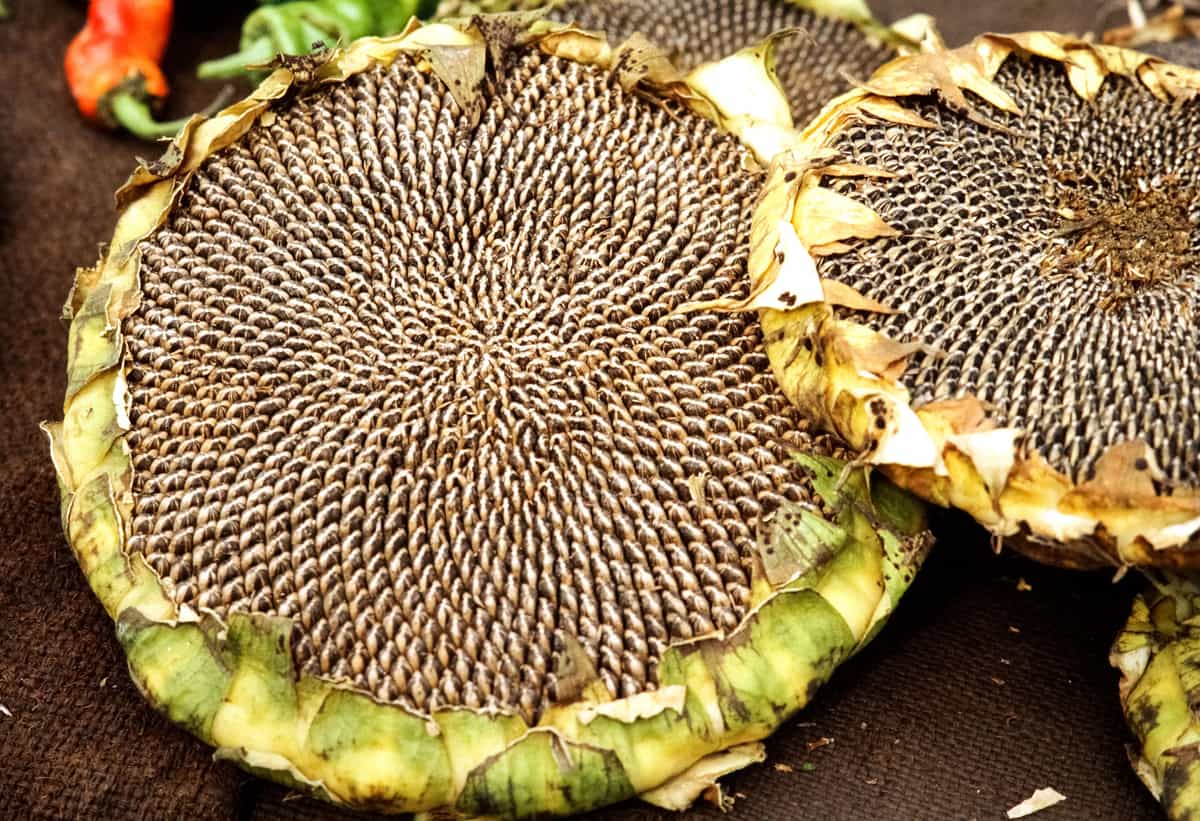
Buy straight black oil sunflower first. It is one ingredient, it has the widest appeal of any single seed, and it costs the least per bird actually fed. Choose a shell-free mix instead only if hulls under the feeder are unacceptable, and choose safflower if squirrels have taken over.
Seed & Sprig earns a commission when you buy through the links on this page, at no extra cost to you. It does not change which products we pick or the order we put them in — here is how we pick and here is how we are funded.
Quick picks
| # | Product | Best for | Price |
|---|---|---|---|
| 1 | 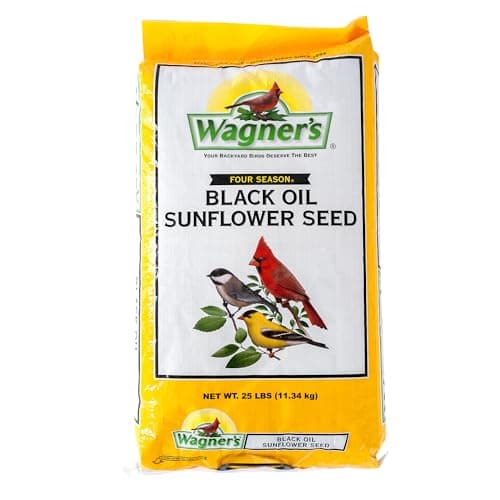 Wagner's Black Oil Sunflower Seed One ingredient, 24% fat, and the seed the widest range of birds actually eats. | Best overall | $41.98 · View on Amazon #ad How we are funded · Price as of October 22, 2026 |
| 2 | 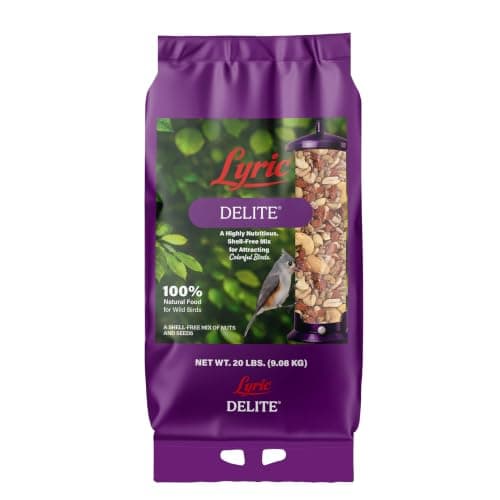 Lyric Delite No Waste Mix Shelled nuts and kernels, 35% fat, no corn and no millet. Nothing hits the ground. | Best no-mess | $49.07 · View on Amazon #ad How we are funded · Price as of October 22, 2026 |
| 3 | 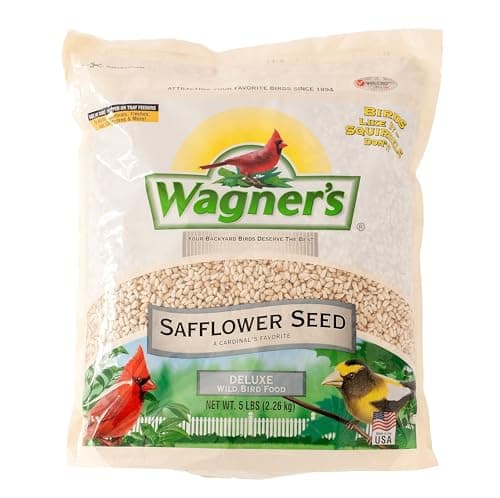 Wagner's Safflower Seed Cardinals take it, most squirrels do not. Cheapest experiment in the category. | Best when squirrels win | $11.98 · View on Amazon #ad How we are funded · Price as of October 22, 2026 |
| 4 | 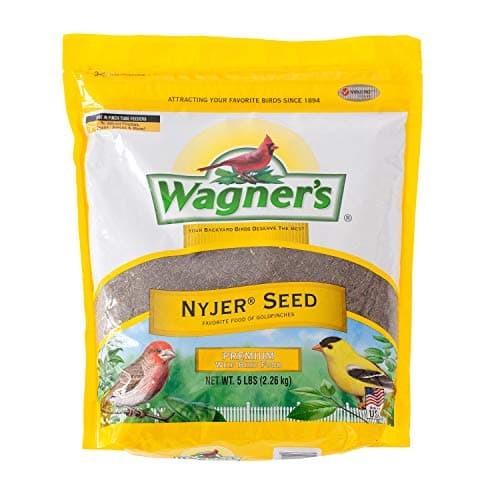 Wagner's Nyjer Seed 100% nyjer for a narrow-port finch feeder. Buy small bags — it goes stale. | Best for finches | $18.73 · View on Amazon #ad How we are funded · Price as of October 22, 2026 |
| 5 | 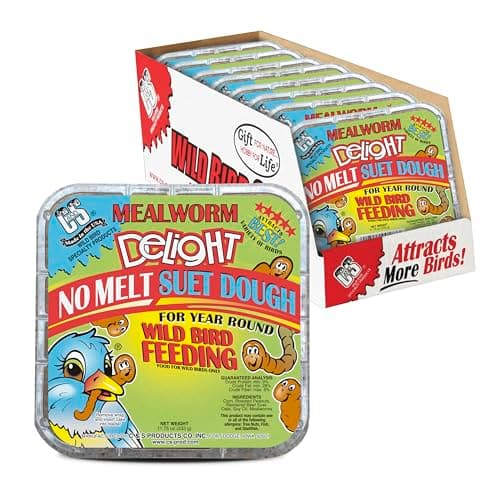 C&S Mealworm Delight No Melt Suet Dough No-melt dough with mealworms. The winter fuel that brings woodpeckers. | Best suet | $19.69 · View on Amazon #ad How we are funded · Price as of October 22, 2026 |
| 6 | 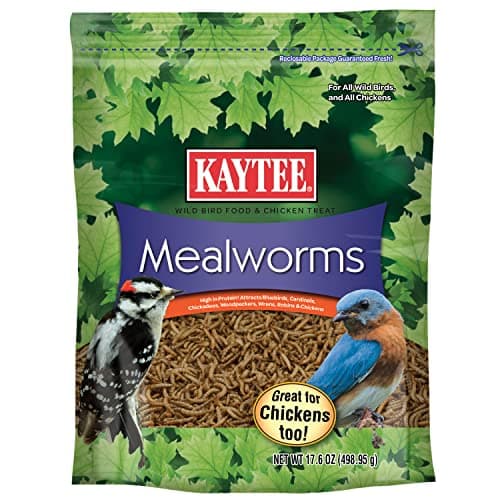 Kaytee Dried Mealworms 47% protein. The only thing that brings bluebirds and wrens to a feeder. | Best for insect-eaters | $21.99 · View on Amazon #ad How we are funded · Price as of October 22, 2026 |
Rows link to the full write-up further down this page. The price button goes to Amazon.
Seed is where a beginner's money quietly disappears. The bag looks cheap, the picture on the front shows a cardinal, and a third of what is inside gets flicked onto the lawn within a week. The fix is not spending more. It is reading the panel on the back.
How we ranked these
On published ingredients and guaranteed analysis, both of which are printed on every bag and none of which is a matter of opinion. Fat content matters in cold weather. Ingredient order tells you what you are actually buying. Everything else — the artwork, the species list on the front — is not information.
The panels, side by side
| Seed | Protein (min) | Fat (min) | What is in it |
|---|---|---|---|
| Wagner's Black Oil Sunflower | 14.0% | 24.0% | 100% black oil sunflower |
| Lyric Delite No Waste | 20% | 35% | Shelled peanuts, sunflower kernels, pecans, pistachios, pumpkin seed |
| Kaytee Waste Free Blend | 12.5% | 23.5% | Hulled sunflower, cracked corn, millet, canary grass seed, peanuts, calcium carbonate |
| Wagner's Safflower | 17.0% | 25.0% | 100% safflower |
| Wagner's Nyjer | 13.5% | 8.0% | 100% nyjer |
| Kaytee Dried Mealworms | 47.0% | 25.0% | Dried mealworms |
Two things jump out of that table. Nyjer is the lowest-fat item on the list, which is worth knowing before you pay the most per pound for it — you are buying it for finches specifically, not for energy. And mealworms are in a different league on protein, which is why they are a treat food rather than a staple.
Start with black oil sunflower. Really.
Project FeederWatch calls black oil sunflower “the most common type of seed offered at feeders in North America” and “the preferred food item for a wide variety of birds,” naming cardinals, chickadees, finches and sparrows. One ingredient means nothing gets rejected and nothing gets raked up. It is the cheapest way to fill a feeder that birds will empty.
The one real downside is hulls: black oil sunflower leaves a carpet of shells under the feeder, which can kill grass and, left long enough, attracts rodents. If that is a problem where you are, that is what the no-mess bags solve.
When to pay for a no-mess mix
On a patio, a deck or a balcony, hulls are not acceptable and a shell-free mix earns its price. There are two kinds and they are not the same:
- Genuinely filler-free — Lyric Delite is shelled peanuts, sunflower kernels, pecans, pistachios and pumpkin seed. No corn, no millet, nothing birds discard. Expensive per pound; nearly all of it gets eaten.
- Hulled but still padded — Kaytee's Waste Free Blend has no sunflower shells, but cracked corn and millet are in the ingredient list. Nothing gets dropped as a hull, but ground-feeding species will still scatter what they do not want.
The full comparison is in no-mess bird seed.
The specialist seeds, and when they earn a place
Safflower when squirrels have taken over: cardinals, house finches, chickadees and titmice take it and most squirrels leave it. Honest caveat in safflower and squirrels.
Nyjer when you want goldfinches, and only in a narrow-port finch feeder. Detail in nyjer seed.
Suet from October: the highest-energy option and the fastest route to woodpeckers. See suet and suet cakes.
Mealworms for bluebirds, wrens and robins, which largely ignore seed.
Bag size, and the mistake in buying big
Twenty-five pounds is only cheaper if you get through it before it turns. Seed absorbs damp, goes stale and can grow mold, and old nyjer in particular is the single most common reason a finch feeder sits untouched. Buy roughly a month at a time until you know your traffic, and store it properly — how to store bird seed.
The picks in full
#1 · Best overall
Wagner's Black Oil Sunflower Seed
Wagner's · The first bag of seed you should buy
One hundred percent black oil sunflower with nothing else in the bag, which is the seed the widest range of feeder birds actually eats, at the lowest cost per bird you will find.
Published specifications
- Ingredients
- 100% black oil sunflower
- Crude protein
- 14.0% min
- Crude fat
- 24.0% min
- Crude fiber
- 35.0% max
- Moisture
- 15.0% max
What it does well
- One ingredient, so there is nothing in the bag birds will throw on the ground
- Cardinals, chickadees, finches and sparrows all take it
- The cheapest way to fill a feeder that birds will actually empty
What it does not
- The hulls make a mess under the feeder and can kill the grass
- Squirrels like sunflower as much as birds do
Specifications above come from the manufacturer's own published listing: Wagner's Four Season black oil sunflower published analysis, Project FeederWatch — seed preferences.
#ad How we are funded · Price as of October 22, 2026
#2 · Best no-mess
Lyric Delite No Waste Mix
Lyric · The genuinely filler-free no-mess bag
Shelled peanuts, sunflower kernels, pecans, pistachios and pumpkin seed: an expensive bag with no corn, no millet and nothing that ends up on the ground.
Published specifications
- Ingredients
- Shelled peanuts, sunflower kernels, pecans, pistachios, shelled pumpkin seed
- Crude protein
- 20% min
- Crude fat
- 35% min
- Crude fiber
- 10% max
- Moisture
- 12% max
What it does well
- No corn, no millet, no milo — nothing in the bag is filler
- Shell-free seed will not sprout under the feeder
- The highest fat content of any mix here, which matters in cold weather
What it does not
- Expensive per pound, though far less of it is wasted
- Nut-heavy mixes are exactly what squirrels want most
Specifications above come from the manufacturer's own published listing: Lyric Delite published ingredients and analysis.
#ad How we are funded · Price as of October 22, 2026
#3 · Best when squirrels win
Wagner's Safflower Seed
Wagner's · Cardinals, when squirrels have taken over
A single-ingredient seed cardinals and finches take readily and squirrels usually leave alone, which is the closest thing to a no-hardware squirrel answer, with an honest caveat.
Published specifications
- Ingredients
- 100% safflower seed
- Crude protein
- 17.0%
- Crude fat
- 25.0%
- Crude fiber
- 32.0%
- Moisture
- 13.0%
What it does well
- Cardinals, house finches, chickadees and titmice all eat it
- Most squirrels prefer sunflower and will move on if safflower is all there is
What it does not
- 'Squirrels do not like safflower' is a tendency, not a law — hungry squirrels eat it
- Costs more per pound than black oil sunflower and attracts fewer species
Specifications above come from the manufacturer's own published listing: Wagner's safflower published analysis.
#ad How we are funded · Price as of October 22, 2026
#4 · Best for finches
Wagner's Nyjer Seed
Wagner's · Goldfinches and nothing else
Straight nyjer, which is the only thing a finch feeder should ever be filled with. Buy the smallest bag that suits your traffic, because it goes stale.
Published specifications
- Ingredients
- 100% nyjer seed
- Crude protein
- 13.5% min
- Crude fat
- 8.0% min
- Crude fiber
- 7.0% max
- Moisture
- 15.0% max
- Ash
- 4.25% max
What it does well
- The seed that reliably brings in American Goldfinch, Pine Siskin and Common Redpoll
- Too small for most other birds, so a nyjer feeder stays a finch feeder
What it does not
- Expensive per pound and it dries out; old nyjer is the most common reason a finch feeder sits ignored
- Needs its own narrow-port feeder or most of it lands on the ground
Specifications above come from the manufacturer's own published listing: Wagner's nyjer published analysis, Project FeederWatch — nyjer and finches.
#ad How we are funded · Price as of October 22, 2026
#5 · Best suet
C&S Mealworm Delight No Melt Suet Dough
C&S · Suet that survives a warm afternoon
A no-melt suet dough with mealworms in it, which is the version to buy whenever the temperature climbs, because plain rendered suet turns to grease and coats birds' feathers.
Published specifications
- Ingredients
- Corn, roasted peanuts, rendered beef suet, oats, soy oil, mealworms
- Crude protein
- 11.0% min
- Crude fat
- 24.0% min
- Crude fiber
- 12.0% max
- Format
- Standard cake, fits a single-cake cage
What it does well
- The no-melt formulation holds its shape in warm weather, unlike plain suet
- Mealworms in the dough pull in birds that ignore a plain seed cake
What it does not
- Corn is the first ingredient, so a share of it goes to starlings and grackles
- No suet is truly heatproof; in a hot spell, take it down
Specifications above come from the manufacturer's own published listing: C&S Mealworm Delight published ingredients and analysis.
#ad How we are funded · Price as of October 22, 2026
#6 · Best for insect-eaters
Kaytee Dried Mealworms
Kaytee · Bluebirds, wrens and anything that eats insects rather than seed
Dried mealworms are the one food that brings in the insect-eaters a seed feeder never will, and at 47% protein they earn their price in a cold snap.
Published specifications
- Crude protein
- 47.0% min
- Crude fat
- 25.0% min
- Crude fiber
- 6.0% max
- Moisture
- 5.0% max
What it does well
- The highest protein of anything in this registry by a wide margin
- Dried keeps in a sealed tub; live mealworms do not
What it does not
- Expensive per pound, and easy to over-serve
- Put out a small dish at a time: mealworms left out get damp and moldy fast
Specifications above come from the manufacturer's own published listing: Kaytee mealworms published analysis.
#ad How we are funded · Price as of October 22, 2026
Common questions
What is the best bird seed for wild birds?
Black oil sunflower, for nearly every yard. Project FeederWatch calls it the preferred food of a wide variety of birds, and one ingredient means nothing is wasted.
What is the best bird seed without fillers?
Straight black oil sunflower has no filler at all. Among mixes, look for a bag whose ingredient list contains no milo, no red millet and no cracked corn — Lyric Delite is the example here.
What are the best bird seed brands?
Brand matters far less than the ingredient panel. A single-ingredient bag of black oil sunflower from any maker beats a branded mix padded with milo.
Is expensive bird seed better?
It usually wastes less rather than attracting more. Shell-free mixes cost more per pound and deliver more edible food per pound. Plain sunflower still wins on cost per bird fed.