Bird Seed
The best bird seed storage containers
Two different things get into stored seed: animals that chew and air that carries damp. Buy the container for the one you actually have.
By Scooter M. · Published · Last updated
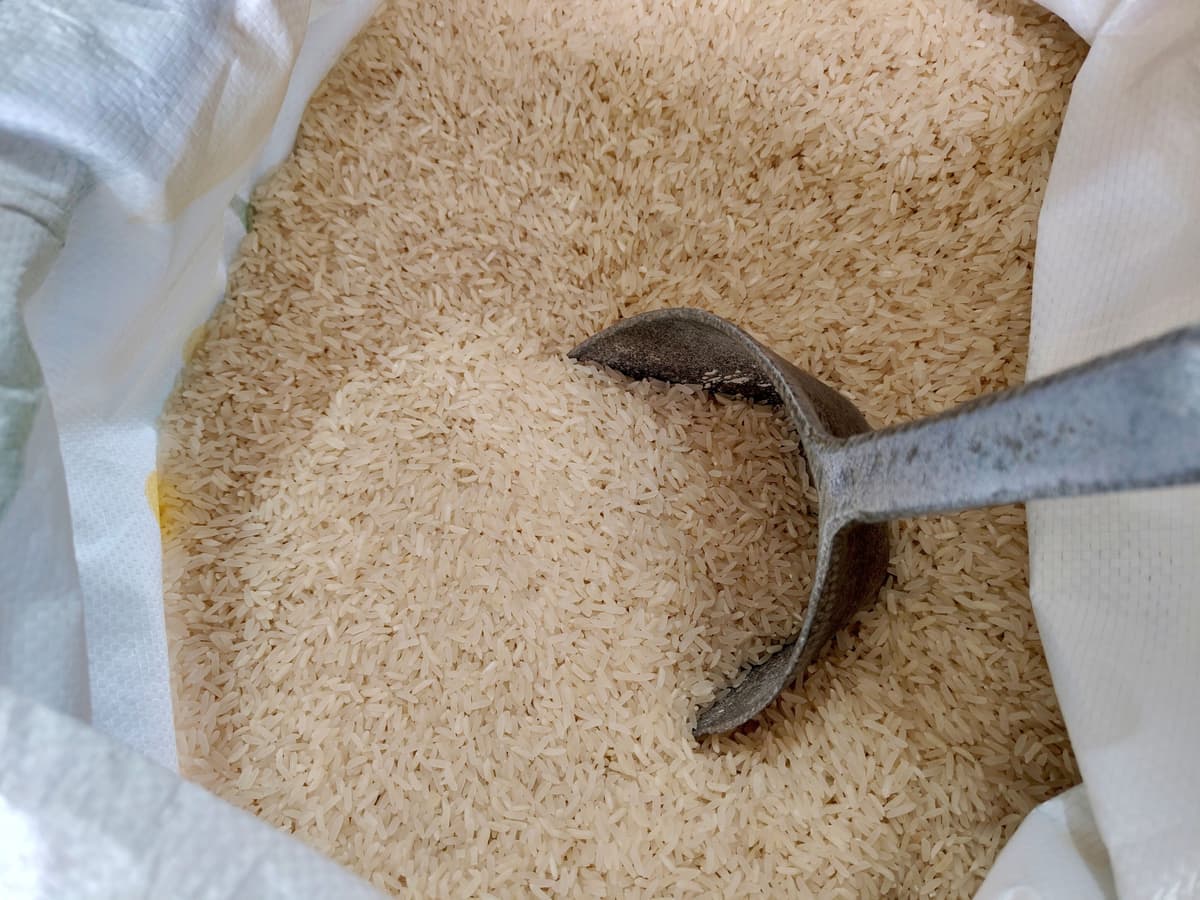
Buy a galvanized steel can with a locking lid if mice or rats can reach your seed, and a gasketed airtight bin if they cannot and damp is the risk. Size it to the bag you buy, keep it off the floor, and use a smaller pour container for refills.
Seed & Sprig earns a commission when you buy through the links on this page, at no extra cost to you. It does not change which products we pick or the order we put them in — here is how we pick and here is how we are funded.
Quick picks
| # | Product | Best for | Price |
|---|---|---|---|
| 1 | 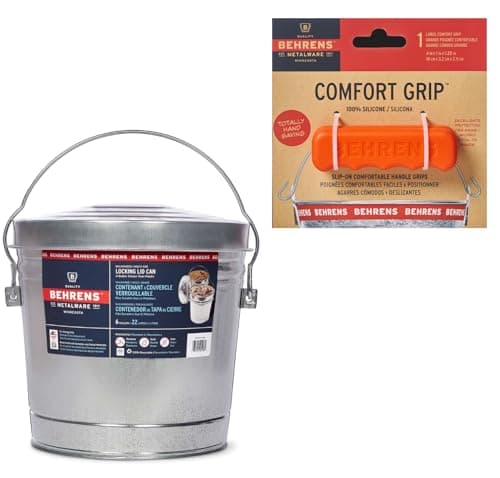 Behrens 6-Gallon Galvanized Steel Can with Locking Lid Galvanized steel with a locking lid. Where rodents can reach the seed, nothing plastic competes. | Best overall | $35.99 · View on Amazon #ad How we are funded · Price as of September 17, 2026 |
| 2 | 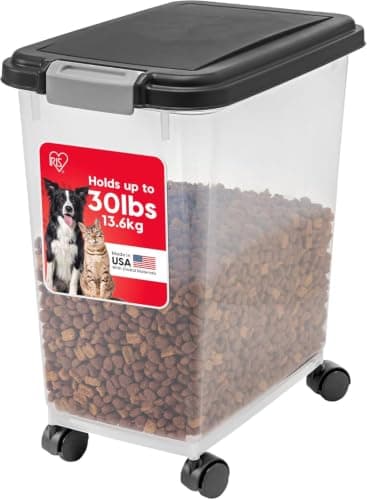 IRIS USA Airtight Rolling Storage Container, 33 Quart A foam-lined snap-lock seal for the least money. The right answer indoors, where chewing is not the threat. | Best airtight bin | $23.99 · View on Amazon #ad How we are funded · Price as of September 17, 2026 |
| 3 | 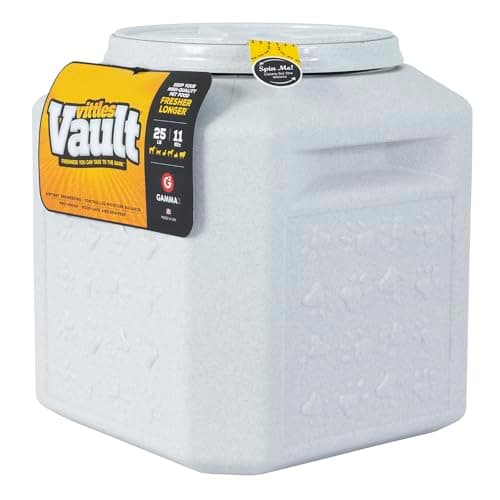 Gamma2 Vittles Vault Airtight Container, 25 lb Threaded lid, double gaskets. Worth it for hulled sunflower, nyjer and peanuts. | Best seal for fast-spoiling seed | $38.95 · View on Amazon #ad How we are funded · Price as of September 17, 2026 |
| 4 | 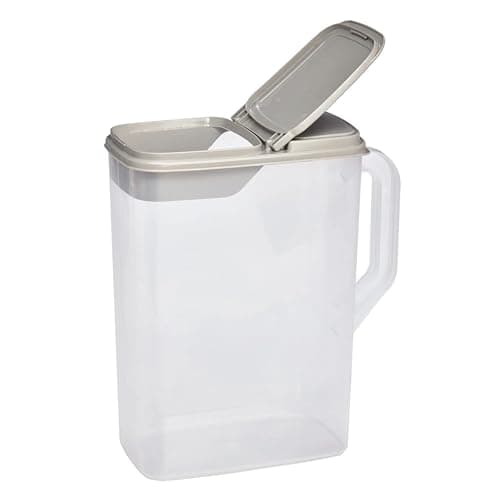 Buddeez 8-Quart Food & Bird Seed Container with Scoop A flip lid with a pour spout. It lives next to the big bin and takes the spills out of refilling. | Best for filling tube feeders | $26.99 · View on Amazon #ad How we are funded · Price as of September 17, 2026 |
| 5 | 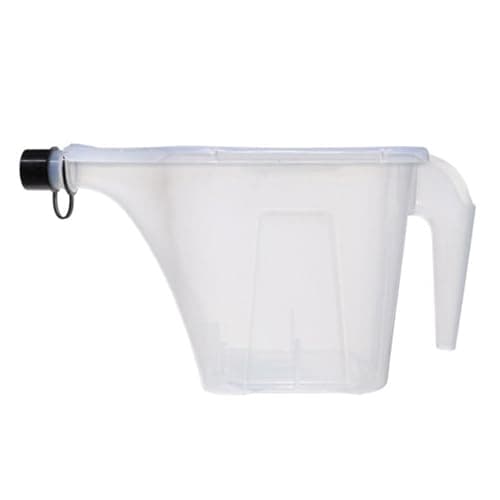 More Birds 3-in-1 Super Tote, 5 lb Five pounds, a tapered spout and a handle. It is for the walk to the feeder, not the season. | Best small carry tote | $14.99 · View on Amazon #ad How we are funded · Price as of September 17, 2026 |
| 6 | 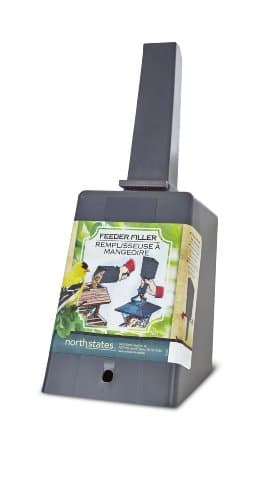 North States Birdfeeder Filler Scoop Four cups, a funnel spout and a seed stopper. It turns a spoutless steel can into an easy pour. | Best scoop to keep in the bin | $8.19 · View on Amazon #ad How we are funded · Price as of September 17, 2026 |
Rows link to the full write-up further down this page. The price button goes to Amazon.
The container is the part of bird feeding nobody photographs, and it decides more about your costs than the feeder does. A 20 pound bag that spoils halfway through, or that mice open in the garage, is not the bargain it looked like at the store. And the paper or woven sack it came in is packaging, not storage.
This page is about which container to buy. The habits around it, like how long each seed keeps and how to tell a bag has turned, are in our guide to storing bird seed. The two go together: the best bin on this list will not save seed kept somewhere warm and damp.
Start with the problem you actually have
Stored seed has four enemies, and no single container beats all of them equally. The useful question is which one is most likely where you plan to keep the seed.
| Threat | What stops it | What does not |
|---|---|---|
| Mice and rats | Steel with a lid that locks down | Plastic, which rats can chew through |
| Damp air | A gasket, a foam seal or a threaded lid | A lid that only rests in place, even on a steel can |
| Pantry moths and other pantry pests | A tight-fitting lid, a clean container and a quick use-by pace | Loose lids, and the original bag |
| Heat and light | An opaque container in a cool, dark spot | A clear tote on a sunny windowsill or shelf |
The CDC's rodent-prevention advice is to keep grains and animal feed in thick plastic or metal containers with tight lids, so both materials are legitimate. The difference is what happens if a rodent decides to test the container. The University of California's pest management program states plainly that rats can chew through plastic, foam, wood, and caulk. Steel is not on that list.
Metal or plastic: the honest trade
This is the decision that matters, and neither material wins outright.
Galvanized steel stops the chewing. What it usually does not do is seal. The steel can we picked has a fitted lid held down by riveted locking ears, which keeps animals out, but the listing mentions no gasket and does not claim it is airtight. In a dry garage that is fine. In a humid basement or a shed that sweats in spring, the seed inside is still breathing the same damp air.
Plastic bins with a seal do the opposite job well. A foam-lined snap-lock lid or a threaded lid with gaskets keeps humid air away from the seed better than a fitted metal lid. But a rat that wants in can get in, and a gnawed corner is the end of the seal.
So let the location decide:
- Garage, shed, barn, or anywhere you have seen droppings: steel, kept in the driest corner and off the floor. If you already have mice, this is not optional.
- Utility room, closet or a basement you know is dry and rodent-free: an airtight plastic bin. You get the better seal, and in that room the thing it cannot resist is not present.
- Somewhere that is both damp and visited by mice: move the seed. No container fixes a bad location, and the cheapest upgrade here is a different shelf.
How we chose these
On published manufacturer and listing specifications, checked against live Amazon listings in September 2026 so that every pick was in stock when we wrote this. We have not run a storage trial and are not claiming one. We weighed the closure first, because the lid is where every container fails; then the material against the threat it faces; then whether the capacity suits the bag sizes people actually buy; then how easy the thing is to use every few days, because a container that is a chore to open gets left open. Our full criteria are here.
Three of the six picks are not bulk storage at all: two pour containers and a scoop. That is deliberate. A lot of spilled seed ends up on the floor at refill time, as it moves from the bin to the feeder, and spilled seed is its own rodent problem.
The picks, side by side
| Pick | Capacity as listed | Closure | Material |
|---|---|---|---|
| Behrens 6-gallon can | 6 gallons (24 quarts) | Fitted lid, locking ears | Galvanized steel |
| IRIS USA airtight bin | 33 quarts; about 22-26 lb of kibble | Snap-lock, foam-lined seal | Polypropylene |
| Gamma2 Vittles Vault | Up to 25 lb, varies by contents | Threaded lid, double gaskets | HDPE |
| Buddeez dispenser | 8 quarts | Flip lid with pour spout | Plastic |
| More Birds Super Tote | Up to 5 lb of birdseed | Tight-sealing lid, pour spout | Clear plastic |
| North States scoop | 4 cups | Sliding seed stopper | Plastic |
Size it to the bag, not the other way around
Bigger feels safer and usually is not. A mostly empty bin holds a lot of air around a little seed, and a huge container encourages the habit of pouring a new bag on top of the old one, so the seed at the bottom never gets used.
The awkward part is that most of the larger containers are sold for pet food and quote capacity in pounds of kibble, and seed is a different shape and density. The makers say so themselves: the IRIS listing puts its 33-quart bin at about 22 to 26 pounds of most dry kibble and warns that not every 30 pound bag will fit, and Gamma2 says capacity depends on what you put in and tells you to round up when unsure. Treat every pound figure on a container as approximate.
A practical way through it:
- Buying 5 to 10 lb bags: you may not need a bulk bin at all. A pour container with a good lid covers it, kept indoors.
- Buying 20 lb bags: a mid-size bin or can, with room to spare rather than a snug fit.
- Buying 40 lb sacks: be sure you will get through it while it is still fresh before you buy the container. Our guide to buying bird seed in bulk covers when the big sack genuinely saves money and when it does not.
If you are new and do not yet know how fast your feeders empty, start smaller than you think, and buy roughly a month at a time until you do.
The seal matters most for the seeds that spoil fastest
Not all seed is equally fragile, which changes how much you should spend on the lid.
Black-oil sunflower in the shell is the forgiving one. The shell is a wrapper, and it keeps reasonably well in any sound, dry container. Hulled seed is different: Project FeederWatch advises keeping hulled sunflower dry because it tends to spoil more quickly than sunflower in the shell, and tells readers to dispose of moldy peanut hearts immediately. The same page warns, in its advice on fruit, that some molds create toxins harmful to birds.
That is the case for the threaded-lid container. If most of what you store is hulled sunflower, a no-mess blend, nyjer or peanuts, the tightest seal you can get is worth paying for. If you mostly buy black-oil sunflower in the shell and keep it somewhere dry, a steel can or a simple latching bin is enough.
A container cannot rescue seed that arrives damp or goes in wet. If a bag feels warm, smells musty or has clumps when you open it, it does not go into the bin. The warning signs are listed in our storage guide, and the separate problem of seed getting wet in the feeder is covered in how to keep bird seed dry.
Pantry moths usually arrive with the seed
The University of Maryland Extension lists moths flying around a kitchen or a garage as a sign to go and inspect your birdseed and dry pet food. Clemson's extension service notes that household infestations are often traced to birdseed and dry pet food, and that they can penetrate packaging materials. Maryland's extension adds that many pantry pests can crawl under loose-fitting lids, which is the reason our skip pick is any lid that just sits in place.
Three habits follow from that. Keep the seed container out of the kitchen pantry, so a problem in the seed does not become a problem in your flour. Empty the container fully between bags and wash and dry it, rather than topping up forever. And do not buy more than you will use while it is fresh. Clemson suggests freezing grain products for three days after purchase; that is practical for a small bag of hulled seed and not for a 40 pound sack, which is one more argument for buying smaller.
Where the container lives
Cool, dry, dark and off the floor. Every container on this page is better off on a shelf than on concrete, which wicks damp and puts the container at the level rodents travel. The steel can we picked has an offset bottom that the listing says keeps the can off the ground, which helps, but a shelf or a pallet is better still.
Keep it away from a sunny window. Direct sun degrades the oils that make seed worth eating, and a clear container in direct light gets the worst of it. That is the one real drawback of the clear tote we picked, and why it is a carrier rather than a place to keep seed for weeks.
Looking after the container
A container is only as good as its last clean. Between bags, empty it completely rather than pouring new seed on top of the last of the old. Wash it out; the CDC's rodent guidance also says to clean containers frequently with soap and water. Then let it dry fully before it goes back into use, because a bin refilled damp has just let in the moisture its lid was meant to keep out.
While it is in use, look for three things each time you open it:
- Condensation under the lid, or clumps at the bottom. Damp is getting in, or went in with the seed. Move the container somewhere drier.
- Gnaw marks on a plastic rim or corner. A rodent has found it. Switch to steel before it gets through.
- Webbing in the lid seam, or small moths when you open it. Discard the seed, wash the container, and start again with a fresh bag.
On an airtight bin, check the gasket or foam seal now and then too. A seal that is torn, flattened or coming away from the lid is no longer doing the one job you paid extra for.
Refilling is where seed gets spilled
The most overlooked part of storage is the trip between the bin and the feeder. Pouring straight from a heavy bag into a tube feeder's small opening is hard to do without spilling, and spilled seed on a garage floor or under a feeder is exactly what draws mice and rats to the yard in the first place.
That is what the last three picks are for. The Buddeez container pours through a spout into a tube feeder. The More Birds tote carries five pounds out with a tapered spout. And the North States scoop doubles as a funnel, which makes a spoutless steel can easy to pour from. You do not need all three; one of them, matched to your main feeder, is enough. The scoop's cup marks also tell you how much a feeder takes, which is the quickest way to learn how fast you really go through a bag.
What we would buy for a first setup
If you have one or two feeders and buy 20 pound bags:
- Seed stored in the garage or shed: the Behrens steel can, on a shelf, with the North States scoop living inside it.
- Seed stored indoors, no rodents: the IRIS USA airtight bin, plus the Buddeez container if you mostly fill tube feeders.
- Mostly hulled seed, nyjer or peanuts: the Gamma2 Vittles Vault, kept somewhere climate-controlled, as its maker recommends.
Whichever you pick, the rules that make it work are the same: a lid that holds itself down, a size that suits your bag, and a cool, dry shelf. If you are still choosing what to put in it, our bird seed picks are the place to start, and what it costs to feed birds shows how storage fits into the running cost.
The picks in full
#1 · Best overall
Behrens 6-Gallon Galvanized Steel Can with Locking Lid
Behrens · A garage, shed or basement where mice or rats can reach the seed
A galvanized steel can with a wire bail handle and a lid held down by riveted locking ears. It is the one container on our list a rodent cannot chew into, which is the whole reason to buy metal.
Published specifications
- Capacity
- 6 gallons (24 quarts)
- Material
- Galvanized steel
- Lid
- Fitted lid with locking riveted ears
- Handle
- Heavy-gauge wire bail, sold with one orange grip
- Base
- Offset bottom that keeps the can off the ground
- Dimensions
- 15" x 15" x 14" (listed)
- Use
- Dry storage only, per the listing
- Part number
- 6106K
What it does well
- Steel: a mouse or rat cannot chew into it, and nothing plastic on this page can say that
- The locking ears keep the lid on if the can is knocked or pawed at
- The offset bottom lifts the can itself off a damp concrete floor
What it does not
- The listing describes a fitted lid, mentions no gasket and does not call it airtight, so keep it somewhere dry
- Opaque, so you cannot see the level or spot clumping without opening it
- Costs more than a plastic bin that holds more
Specifications above come from the manufacturer's own published listing: Behrens 6 Gallon Galvanized Steel Storage Can (6106K) — published listing (material, lid, handle, base, dimensions).
#ad How we are funded · Price as of September 17, 2026
#2 · Best airtight bin
IRIS USA Airtight Rolling Storage Container, 33 Quart
IRIS USA · Keeping damp air out in a dry, rodent-free room
A 33-quart polypropylene bin with a snap-lock lid and a foam-lined seal. It is sold for pet food but lists bird seed by name, and it is the least expensive way on this page to get a real seal.
Published specifications
- Capacity
- 33 quarts; listed as holding about 22-26 lb of most dry kibble
- Seal
- Snap-lock lid with a foam-lined seal
- Material
- BPA-free polypropylene, described on the listing as flexible rather than rigid
- Wheels
- Attachable casters; use it with or without them
- Dimensions
- 16.5" L x 10.8" W x 18.4" H (16.9" H without wheels)
- Model
- 500088
What it does well
- An actual seal against humid air, which a fitted metal lid does not give you
- The listing says plainly that not every 30 lb bag will fit, which is more honest sizing than most
- The casters come off, so it can sit on a shelf, which is where stored seed belongs
What it does not
- Plastic. Rats can chew through plastic, so this is the wrong bin where rodents are already a problem
- Capacity is quoted in kibble, not seed, so the weight of seed it holds will differ
- Flexible walls, by the listing's own description, rather than a hard-sided tub
Specifications above come from the manufacturer's own published listing: IRIS USA Airtight Pet Food Storage Rolling Container (500088) — published listing (capacity, seal, material, dimensions).
#ad How we are funded · Price as of September 17, 2026
#3 · Best seal for fast-spoiling seed
Gamma2 Vittles Vault Airtight Container, 25 lb
Gamma2 · Seed that spoils fastest: hulled sunflower, nyjer and peanuts
A square food-grade plastic container with a threaded screw-on lid and double gaskets. It has the most positive closure of anything we picked, and that matters most for the seeds that go off first.
Published specifications
- Capacity
- Fits up to 25 lb, per the listing; the maker says capacity depends on the shape and density of what you store
- Closure
- Gamma Seal threaded locking lid with double gaskets
- Material
- Food-grade, BPA-free HDPE plastic
- Dimensions
- 12" x 12" x 13.25" (listed)
- Stacking
- Not in this size; the maker says only its 40 lb and 60 lb Vittles Vaults stack
- Storage
- Indoors or outdoors, with climate-controlled space recommended
- Model
- 4328
What it does well
- A threaded lid and two gaskets: the tightest seal on this page
- The square footprint wastes less shelf space than a round can
- The maker is upfront that capacity varies with what you put in, and tells you to round up when in doubt
What it does not
- Still plastic, so still chewable by a determined rat
- Screwing a lid on and off is slower than flipping a latch, which you notice in gloves in January
- The maker recommends climate-controlled storage, which rules out a lot of sheds
Specifications above come from the manufacturer's own published listing: Gamma2 Vittles Vault 25 lb (4328) — published listing (closure, material, dimensions, stacking, storage advice).
#ad How we are funded · Price as of September 17, 2026
#4 · Best for filling tube feeders
Buddeez 8-Quart Food & Bird Seed Container with Scoop
Buddeez · Filling tube feeders straight from the container
A slim 8-quart container whose flip lid either pours through a built-in spout or opens wide for scooping, with a one-cup scoop included. It is the everyday container that sits next to the big bin, not a replacement for it.
Published specifications
- Capacity
- 8 quarts
- Lid
- Dual-function flip lid with a built-in pour spout
- Seal
- Described as airtight on the listing
- Included
- 1-cup clear scoop
- Dimensions
- 11.5" x 5.5" x 13.5" (listed)
- Model
- 00506G
What it does well
- Pours straight into a tube feeder's fill opening, which is where most refill spills happen
- The slim shape fits a cupboard or the end of a shelf
- A scoop is included, so it works for hoppers and trays too
What it does not
- Eight quarts is a working supply, not bulk storage; the rest of the bag still needs a home
- Plastic, so keep it indoors or somewhere rodents cannot reach
- Costs about as much as a bin several times its size
Specifications above come from the manufacturer's own published listing: Buddeez 8 Quart Pet Food Storage Container (00506G) — published listing (capacity, lid, spout, scoop, dimensions).
#ad How we are funded · Price as of September 17, 2026
#5 · Best small carry tote
More Birds 3-in-1 Super Tote, 5 lb
More Birds · Carrying seed out to the feeder without spilling it
A five-pound clear tote with a tapered pour spout and a carry handle, made for bird seed rather than adapted from pet food. It solves the trip to the feeder, not the storage problem.
Published specifications
- Capacity
- Up to 5 lb of birdseed
- Spout
- Tapered pour spout
- Handle
- Easy-grip carry handle
- Design
- Stackable, with a lid the listing says seals tightly
- Dimensions
- 14.5" x 7" x 7.5" (listed)
- Color
- Clear
- Model
- 100
What it does well
- The only container on our list designed around bird seed first
- The tapered spout aims seed into small fill openings
- The least expensive pick on this page
What it does not
- Five pounds makes it a carrier, not storage for a bulk bag
- A clear body lets light in, so it should not live on a sunny shelf
- Plastic, so not for a shed with a mouse problem
Specifications above come from the manufacturer's own published listing: More Birds 3-in-1 Super Tote (100) — published listing (capacity, spout, handle, dimensions).
#ad How we are funded · Price as of September 17, 2026
#6 · Best scoop to keep in the bin
North States Birdfeeder Filler Scoop
North States · Keeping inside the bin so refills are quick and measured
A four-cup scoop that doubles as a funnel, with a sliding seed stopper and one-cup marks. It is the small accessory that makes a big lidded can practical to use every day.
Published specifications
- Capacity
- 4 cups, with 1-cup measuring marks
- Function
- Scoop and funnel in one
- Release
- Sliding seed stopper: push toward the handle to hold, pull away to release
- Material
- Weather-resistant plastic
- Warranty
- 2 years, per the listing
- Model
- 9022
What it does well
- Works as a funnel, so a steel can with no spout becomes easy to pour from
- The cup marks tell you how much a feeder takes, which is how you learn how fast you use a bag
- The stopper holds the seed until the spout is over the fill hole
What it does not
- Four cups is small for a large hopper, so expect a few trips
- A scoop does nothing to keep seed dry; it only makes a good container easier to use
- Put it back in the bin damp and you have added moisture to the seed
Specifications above come from the manufacturer's own published listing: North States Birdfeeder Filler Scoop (9022) — published listing (capacity, funnel, stopper, material, warranty).
#ad How we are funded · Price as of September 17, 2026
Common questions
What is the best container to store bird seed in?
A galvanized steel can with a locking lid wherever mice or rats could reach it, and a gasketed or threaded airtight bin in a dry, rodent-free room. The lid matters more than the body: it needs to lock, latch or screw down.
Can mice and rats chew through plastic bird seed containers?
Rats can. The University of California's pest management program lists plastic among the materials rats chew through. If you have seen signs of rodents where the seed is kept, use steel.
Is a galvanized metal can airtight?
Do not assume so. The Behrens can we picked lists a fitted lid with locking ears, with no gasket mentioned and no airtight claim. That keeps animals out but not necessarily humid air, so the can still needs a dry spot.
Can I store bird seed in the garage?
Yes, if the garage stays dry and the seed is in a rodent-proof container on a shelf rather than on the concrete floor. A damp garage is a poor place for seed in any container.
What size container do I need for a 20 lb bag of bird seed?
Something with room to spare. Containers quote capacity in pet food, not seed, so treat the pound figure as approximate. The IRIS USA 33-quart bin is listed for about 22 to 26 lb of kibble, and Gamma2 advises rounding up to the next size when in doubt.
Should I keep bird seed in its original bag inside the container?
It is not necessary, and it makes the container harder to empty and clean between bags. What matters is that the container itself is dry and clean when the seed goes in.