Hub
Keeping a feeder going through the year
Feeding birds is a maintenance habit, not a purchase. This is the part that keeps them coming back.
By Scooter M. · Published · Last updated
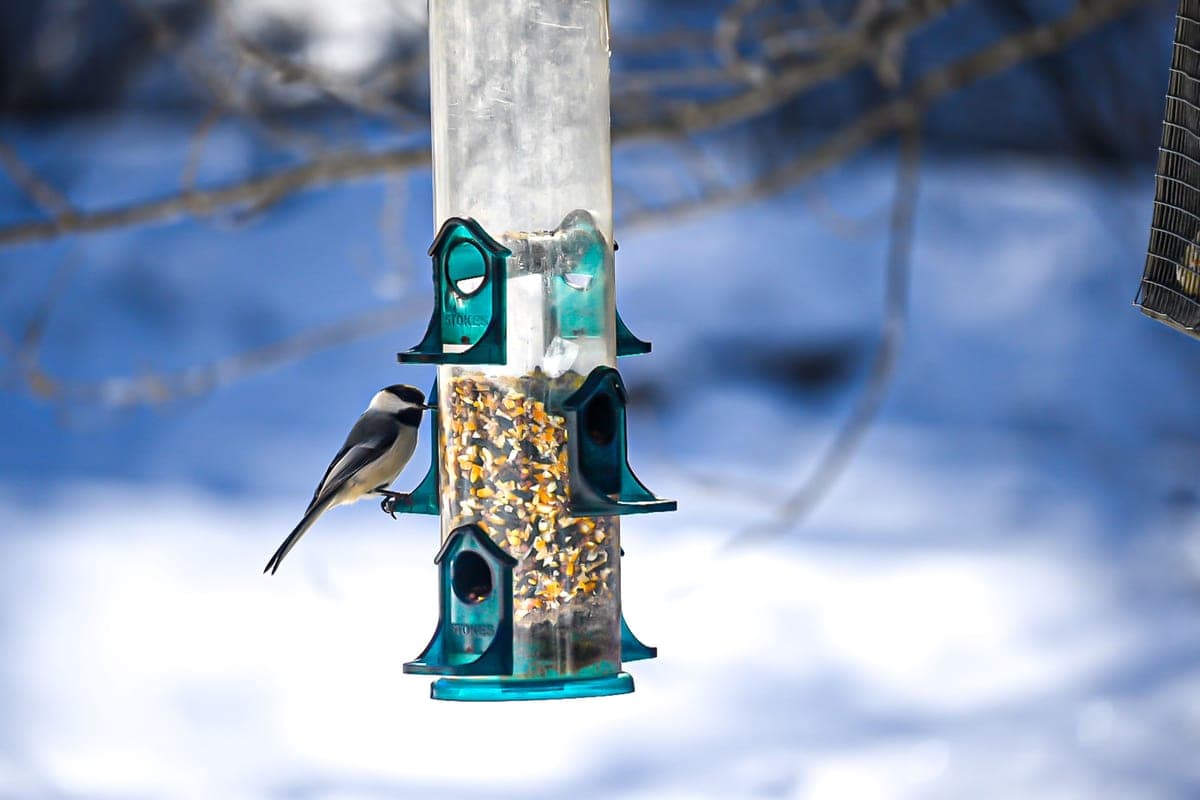
Clean seed and suet feeders every week or two, and more often in wet weather or heavy use. Project FeederWatch recommends soaking cleaned parts for ten minutes in one part bleach to nine parts water, then drying completely before refilling. You can feed year-round; fall and winter are simply when it matters most.
A feeder is not an ornament you hang up once. It is a shared food surface used by dozens of animals a day, in the rain, and it needs looking after. This is the least glamorous part of feeding birds and the part that decides whether your yard is good for them or bad for them.
Cleaning is the whole ballgame
Project FeederWatch recommends cleaning seed and suet feeders every week or two, more often during heavy use or wet weather, and disinfecting with one part bleach to nine parts water, soaking the cleaned parts for ten minutes. Boiling water or a diluted vinegar solution are given as alternatives.
That schedule sounds demanding until you have bought a feeder that takes two minutes to strip. It is the reason a removable base is worth more than an extra pound of capacity. Step-by-step in how to clean a bird feeder, and the designs that make it quick in the easiest feeders to clean.
The seasonal picture
- Fall is the best time to start. Natural food is still around, so nobody depends on you while you get the setup right, and the birds that will use you all winter are establishing their routes now. See the fall feeding calendar.
- Winter is when it counts and when the food changes — higher fat, more suet, and a real question about water. See winter feeding.
- Summer raises different questions: melting suet, spoiled seed, and whether to feed at all. See summer feeding.
When it stops working
Feeders go quiet. Usually it is one of four things: a hawk has started hunting your yard, a natural food glut has arrived, the seed has gone stale, or the feeder is dirty enough that birds are avoiding it. All four are diagnosable, and none of them requires buying a new feeder. Work through why no birds are coming to your feeder.
The guests you did not invite
Spilled seed feeds more than birds. Mice, rats, raccoons and — in some regions — bears all follow a feeder eventually. Project FeederWatch recommends against feeding at all in bear country except when bears are hibernating, which is a genuinely serious rule and not a liability line. Everything else is manageable with a tray, a schedule and some housekeeping: see rodents and unwanted visitors.
A short maintenance routine that actually gets done
- Every refill, look inside. Clumped, dark or sour-smelling seed comes out.
- Every week or two, strip and wash the feeder, then disinfect and dry it fully.
- Every month, rake under the feeder. Old hulls hide spoiled seed and attract rodents.
- Every season, check the hardware — a rusted hook or a wobbling pole is how a feeder ends up on the ground with a squirrel sitting in it.
Everything in Care & Season
Every page in this section, with the top pick and its price where there is one.
Guide
When to put bird feeders out: the fall calendar
Month by month through autumn: when to start, when suet goes up, and why a fall start is the forgiving one.
Top pick · The October addition
C&S Mealworm Delight No Melt Suet Dough
#ad How we are funded · Price as of October 22, 2026
Guide
Why no birds are coming to your feeder
A diagnostic in order of likelihood — from a feeder that is simply too new, to a hawk working the yard.
Top pick · If the seed is stale
Wagner's Black Oil Sunflower Seed
#ad How we are funded · Price as of October 22, 2026
Guide
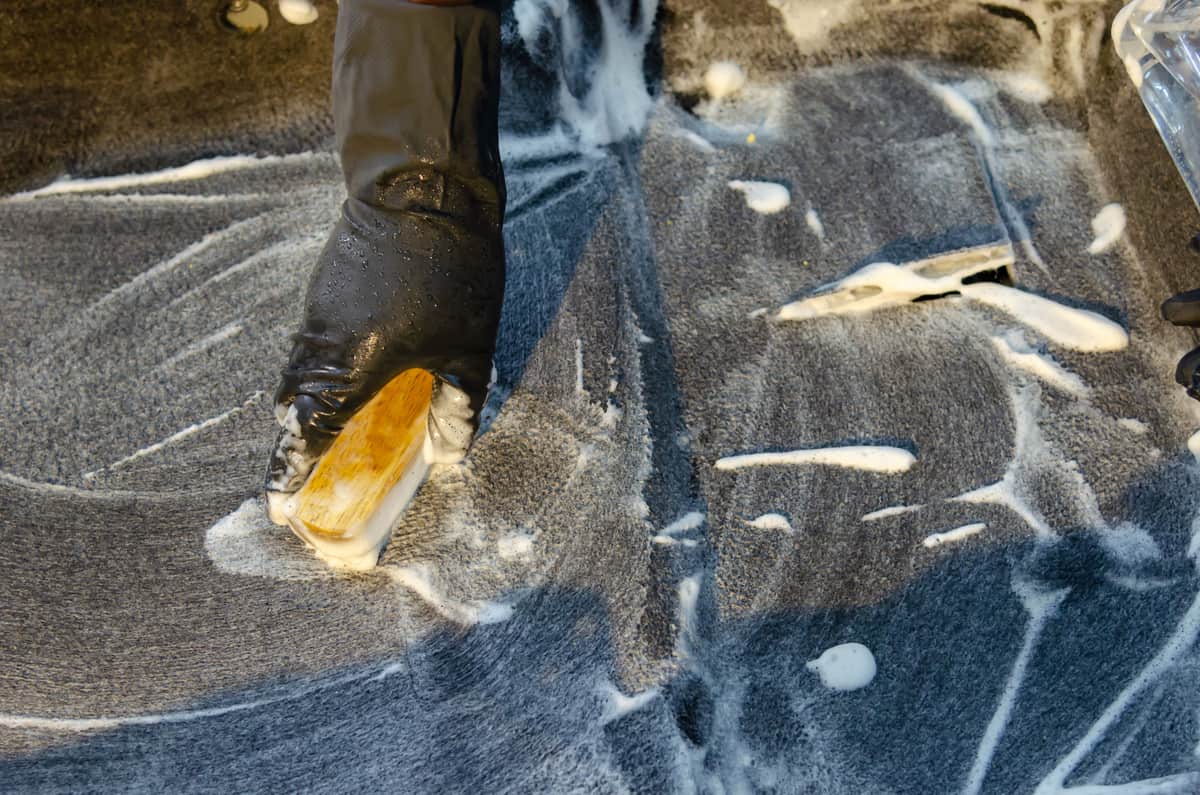
How to clean a bird feeder
The published schedule and dilution, the five-step routine, and what to do the day you see a sick bird.
Guide
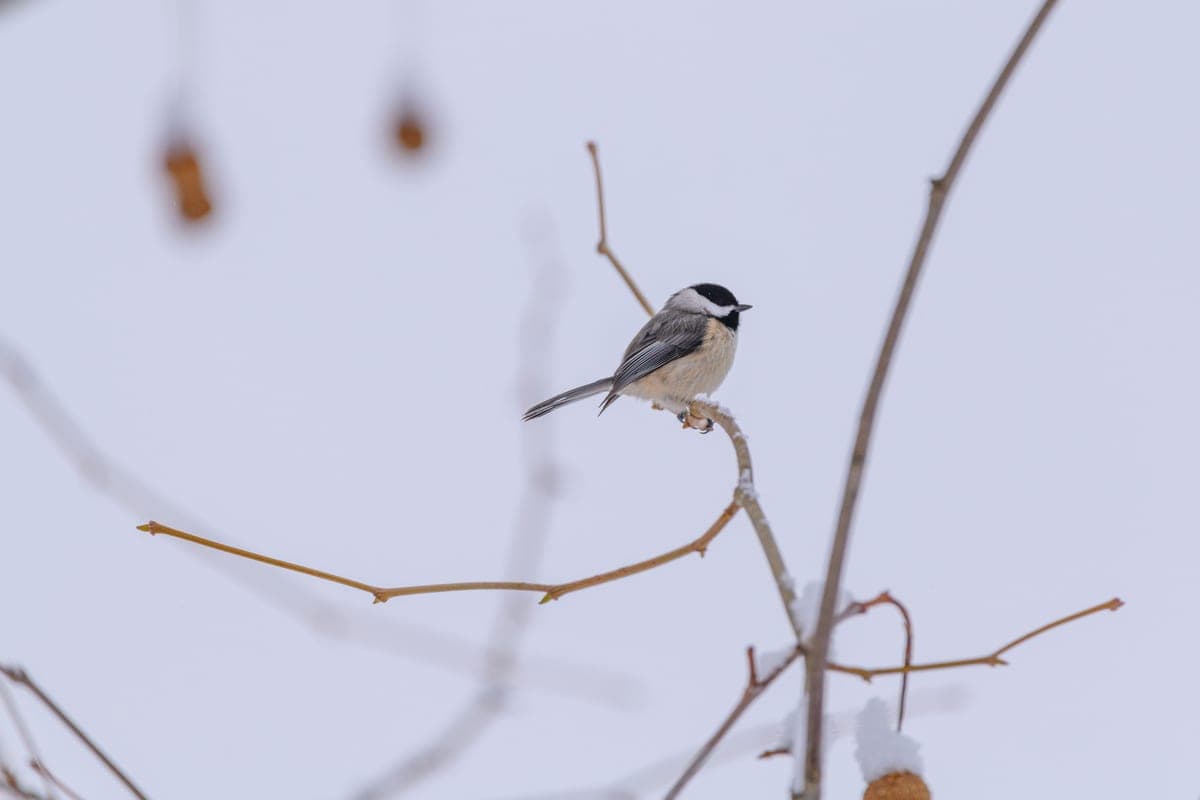
Feeding birds through winter
High-fat food, clear ports, and water — the three things that change when the temperature drops below freezing.
Top pick · Best winter fuel
C&S Mealworm Delight No Melt Suet Dough
#ad How we are funded · Price as of October 22, 2026
Guide
Feeding birds in summer
Summer feeding done properly: the suet rule, faster spoilage, a stricter cleaning schedule, and what birds actually want in the heat.
Top pick · The summer-safe suet
C&S Mealworm Delight No Melt Suet Dough
#ad How we are funded · Price as of October 22, 2026
Guide
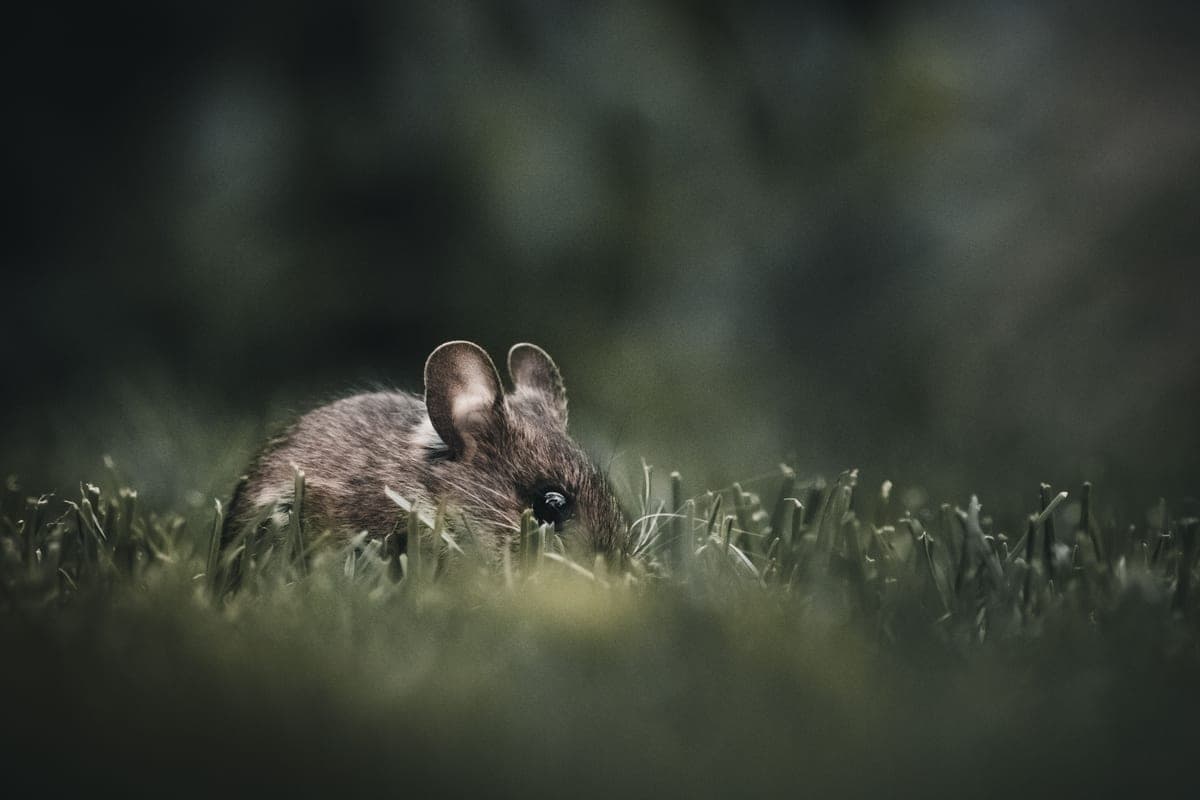
Rodents, raccoons and the visitors you did not invite
Mice, rats, raccoons and bears: why spilled seed is the actual cause, what fixes it, and the one place you should not feed at all.
Top pick · The fix
Nature's Way Cedar Platform Tray Feeder (CWF3)
Guide
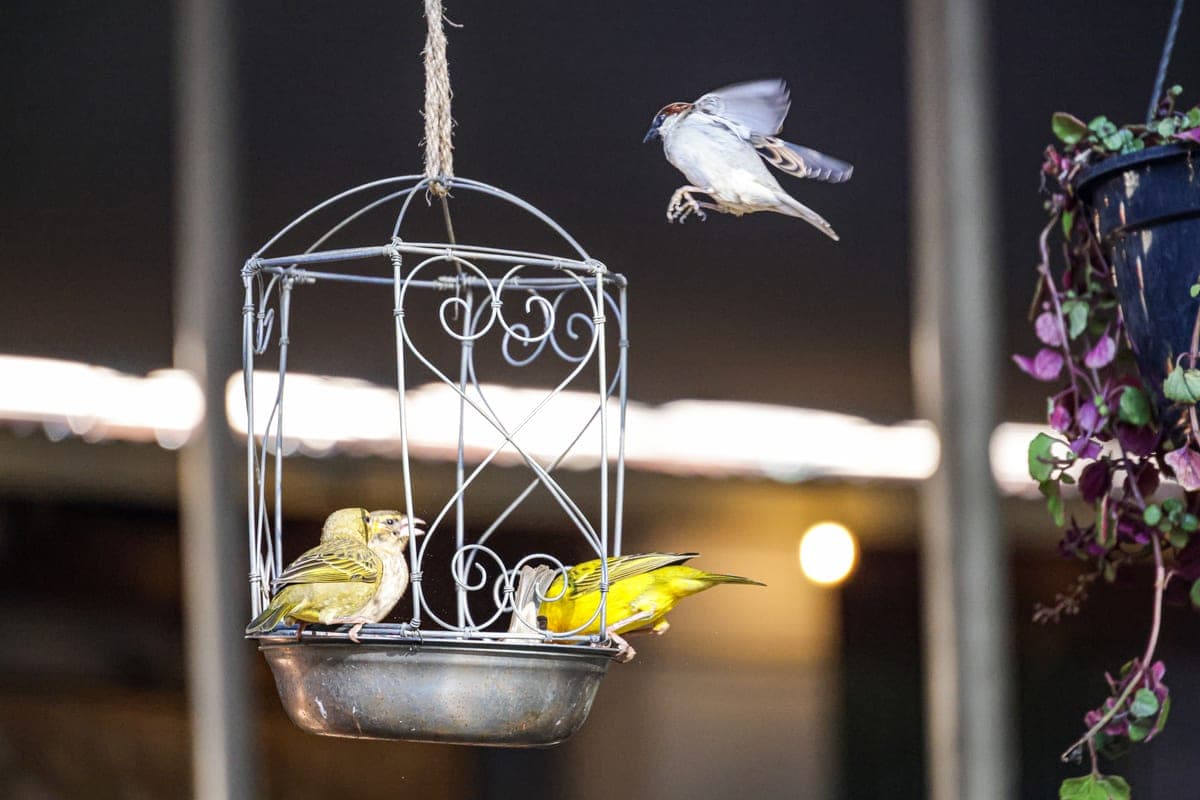
Grackles, starlings and the birds you did not want
The four exclusion methods FeederWatch recommends for grackles, starlings, pigeons and house sparrows — and the birds each one costs you.
Top pick · Best first move
Droll Yankees Onyx Clever Clean 18" Sunflower Tube Feeder
Comparison
Water, and the one thing a feeder cannot do
Heated bath versus drop-in de-icer, the shallow depth songbirds actually need, and an honest account of the electricity and the scrubbing.
Top pick · Best heated bird bath
Allied Precision API 650 Heated Bird Bath
#ad How we are funded · Price as of October 22, 2026
Comparison
Keeping bird seed dry
Weather domes, roofed feeders and drainage compared — plus the free fix most people skip, and what to do with seed that has already got wet.
Top pick · Best rain guard
iBorn 16" Bird Feeder Rain Guard Dome
#ad How we are funded · Price as of October 22, 2026
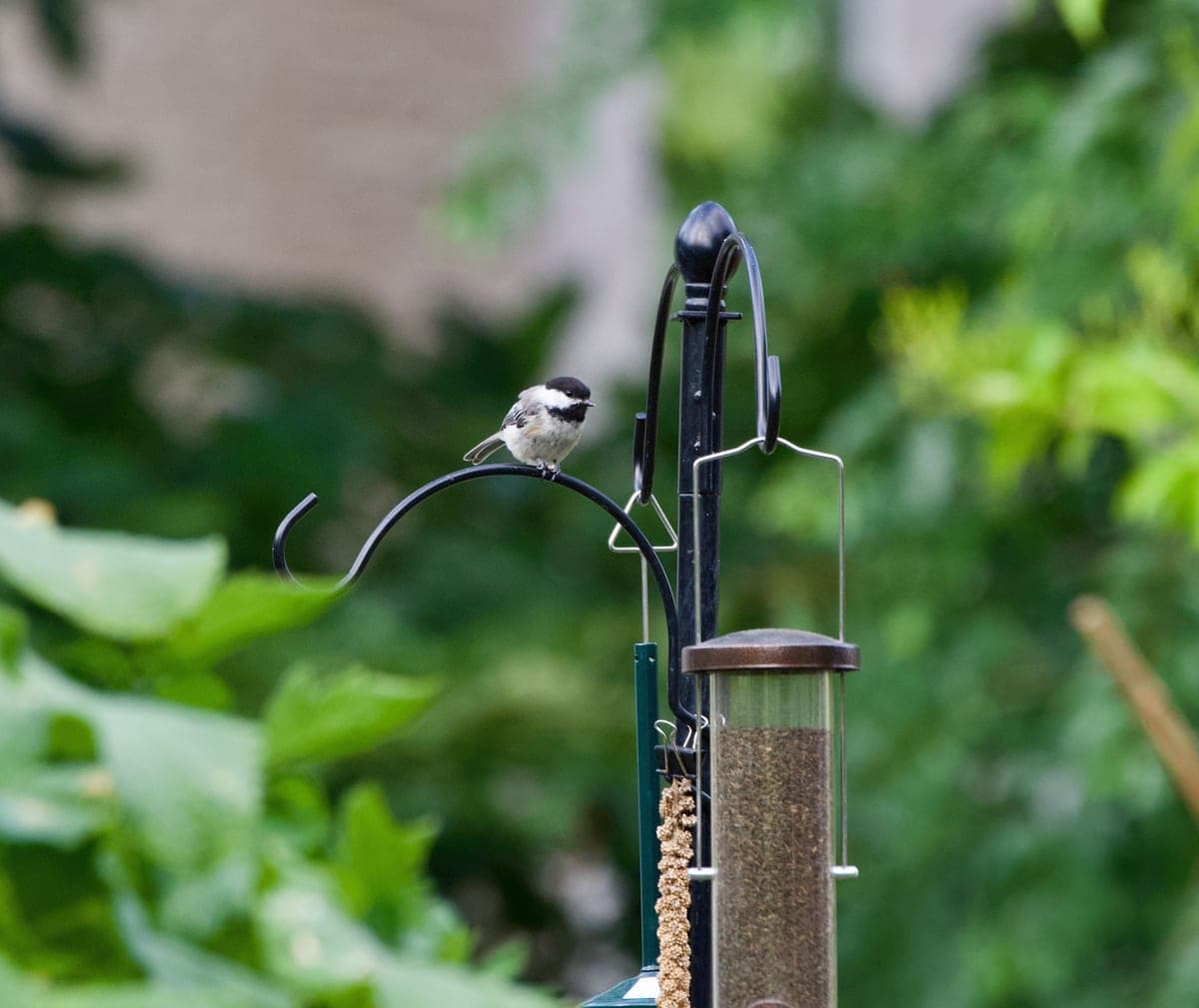
Roundup
Raccoon-proof bird feeders
Why squirrel baffles fail against raccoons, the longer hardware that works, and the free habit that works better than any of it.
Top pick · Best baffle for a round pole
Erva SB2D Cylindrical Raccoon Baffle, 28 inch
#ad How we are funded · Price as of October 22, 2026
Roundup
Solar bird bath fountains, wigglers and drippers
Fountains, wigglers and drippers compared on sun, batteries and plumbing — plus the weekly cleaning rule that comes with any of them.
Top pick · Best overall
API 4WW Water Wiggler
#ad How we are funded · Price as of October 22, 2026

Roundup
Hanging and deck rail bird baths
Rail clamps and hanging bowls compared on depth, stability and cleaning, for yards and balconies with nowhere to put a pedestal.
Top pick · Best overall
Hanizi 12-Inch Deck-Mounted Bird Bath
#ad How we are funded · Price as of October 22, 2026
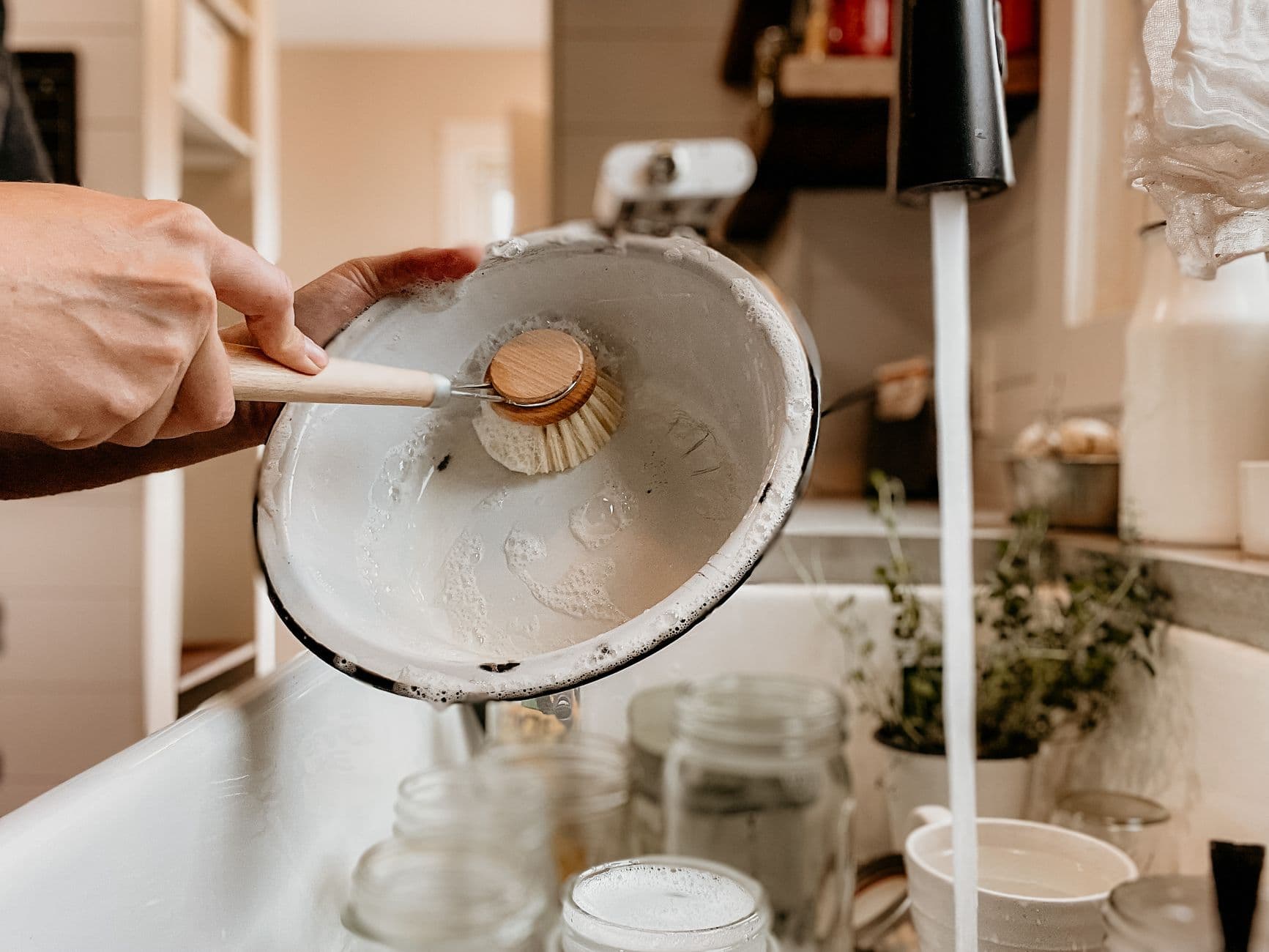
Roundup
The easiest bird feeders to clean
The four features that make a feeder quick to wash, ranked by design, plus how often you actually have to do it.
Top pick · Best overall
Brome Mega 600 Bird Feeder
#ad How we are funded · Price as of October 22, 2026
Common questions
How often should I clean my bird feeder?
Every week or two, and more often in heavy use or wet weather, per Project FeederWatch. Disinfect with one part bleach to nine parts water and soak for ten minutes.
When should I put bird feeders out?
Any time. Early fall is the easiest start, because natural food is still plentiful while you sort out placement. See the fall feeding calendar.
Should bird feeders be left out in the winter?
Yes, and winter is when feeders matter most. Keep them stocked and clean, and clear snow off perches and ports so birds can actually use them.
Do bird feeders attract mice and rats?
Spilled seed does. The feeder itself is rarely the problem. Use a seed tray, put out less at a time, and clear the ground under the feeder. See rodents and unwanted visitors.