Feeder Types
Mealworm feeders and the birds that ignore seed
Bluebirds, wrens and robins will never touch your sunflower. This is what brings them in.
By Scooter M. · Published · Last updated
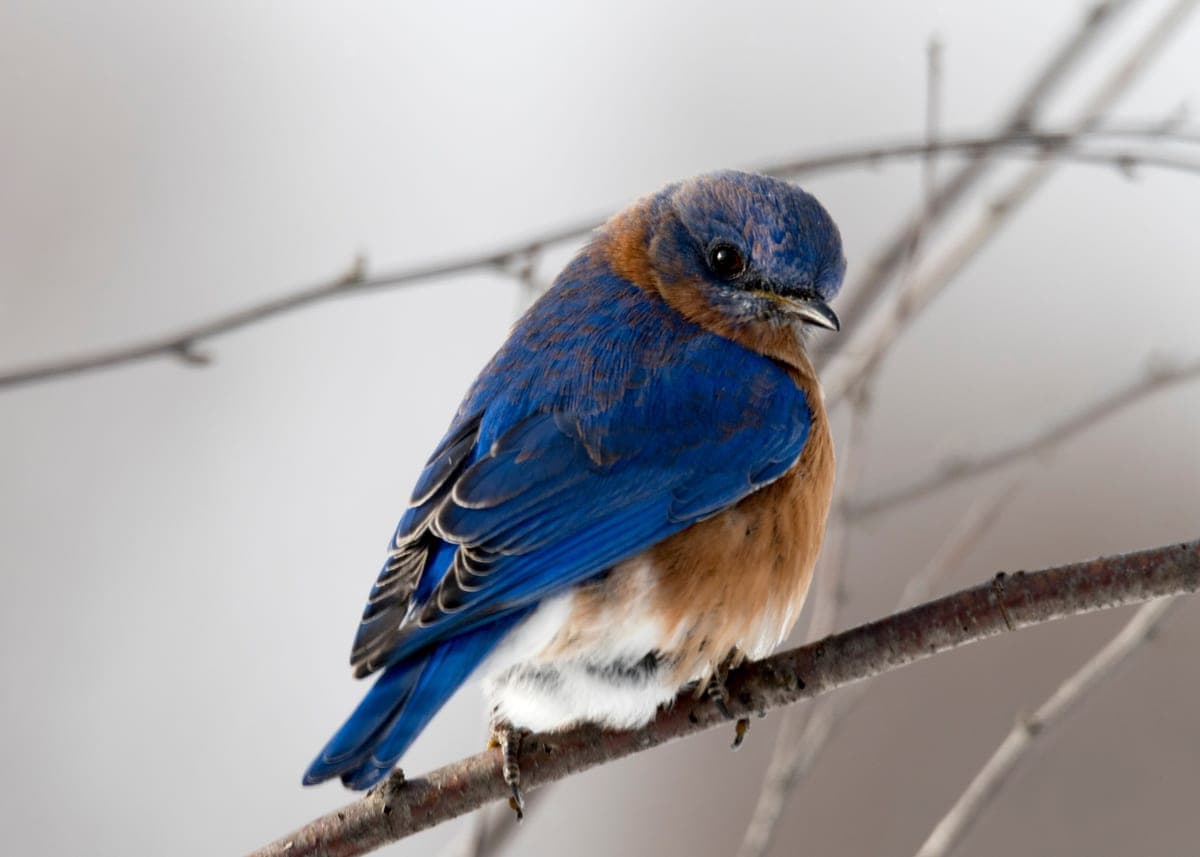
Mealworms attract insect-eating birds — bluebirds, wrens and robins — that largely ignore seed feeders. Serve dried mealworms in a shallow dish with sides steep enough to keep them in, put out a small amount at a time, and take the dish in if it rains.
Seed & Sprig earns a commission when you buy through the links on this page, at no extra cost to you. It does not change which products we pick or the order we put them in — here is how we pick and here is how we are funded.
Quick picks
| # | Product | Best for | Price |
|---|---|---|---|
| 1 | 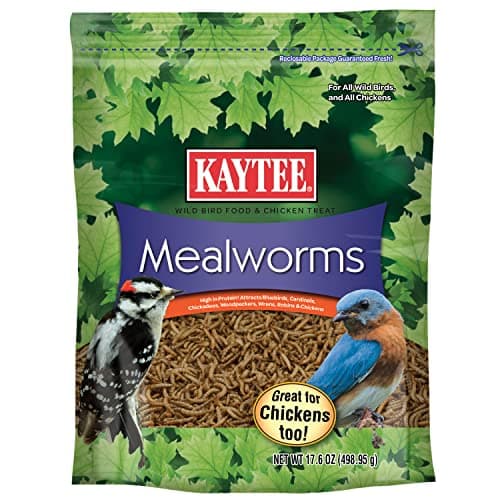 Kaytee Dried Mealworms 47% protein, 25% fat, and it keeps in a sealed tub — unlike live worms. | The food | $21.99 · View on Amazon #ad How we are funded · Price as of October 22, 2026 |
| 2 | NWno photo Nature's Way Cedar Platform Tray Feeder (CWF3) A screened tray takes a small dish and drains when it rains. | Best serving surface | |
| 3 | NWno photo Nature's Way Upside-Down Suet Feeder (CWF2) A mealworm-loaded suet dough in an underneath-access cage keeps starlings off. | Best starling workaround |
Rows link to the full write-up further down this page. The price button goes to Amazon.
Some of the birds people most want are not seed-eaters. A bluebird will sit ten feet from a full sunflower feeder and take nothing from it, because it eats insects. Mealworms are how you reach that half of the yard.
Dried or live?
| Dried | Live | |
|---|---|---|
| Storage | Sealed tub, months | Refrigerated, weeks, and they are alive |
| Bird preference | Readily taken | Preferred, especially in nesting season |
| Handling | Nothing to it | Not for everyone |
| Cost | Lower per serving | Higher |
| Published analysis | Kaytee: 47% protein min, 25% fat min | Varies by supplier |
For almost everyone, dried is the right answer: they store, they do not escape, and at 47% protein they are a serious food. Live mealworms are worth it if you have nesting bluebirds and want to support a brood, and are comfortable keeping a tub of larvae in the fridge.
What to serve them in
A shallow dish with steep sides. That is genuinely the whole specification — mealworms are not seed and do not need a hopper. What matters:
- Sides steep enough that dried worms do not blow or get flicked out.
- Small. Portion control is the main technique with this food.
- Drains or comes indoors. Wet mealworms spoil fast.
- Somewhere visible and open. Bluebirds hunt from perches; a dish tucked under cover will not be found.
The starling problem
Starlings love mealworms and will empty a dish in minutes. Three things help:
- Timing. Put a small amount out early morning, when bluebirds are active and before starling flocks arrive.
- Small portions. Twenty or thirty worms, not a scoop. If the starlings take them, you have lost twenty worms rather than a tub.
- An enclosed feeder. Domed or caged dishes with a small entrance work, and a mealworm-loaded suet dough in an underneath-access cage reaches the same birds without the open dish.
When mealworms matter most
Two windows. Late winter and early spring, when insects are scarce and resident bluebirds are under pressure; and nesting season, when adults are feeding protein-hungry young. Mid-summer, natural insects are everywhere and a mealworm dish is largely redundant.
Portion discipline
More than any other food, mealworms reward serving little and often. They are expensive, they spoil when damp, and an unfinished dish is a rodent attractant like any other food left out — see rodents and unwanted visitors.
The routine that works: a small handful at a fixed morning time, watch it get taken, bring the dish in. Birds learn schedules quickly, and within a fortnight you will have an audience waiting. Which mealworms to buy, and how much.
The picks in full
#1 · The food
Kaytee Dried Mealworms
Kaytee · Bluebirds, wrens and anything that eats insects rather than seed
Dried mealworms are the one food that brings in the insect-eaters a seed feeder never will, and at 47% protein they earn their price in a cold snap.
Published specifications
- Crude protein
- 47.0% min
- Crude fat
- 25.0% min
- Crude fiber
- 6.0% max
- Moisture
- 5.0% max
What it does well
- The highest protein of anything in this registry by a wide margin
- Dried keeps in a sealed tub; live mealworms do not
What it does not
- Expensive per pound, and easy to over-serve
- Put out a small dish at a time: mealworms left out get damp and moldy fast
Specifications above come from the manufacturer's own published listing: Kaytee mealworms published analysis.
#ad How we are funded · Price as of October 22, 2026
#2 · Best serving surface
Nature's Way Cedar Platform Tray Feeder (CWF3)
Nature's Way · Cardinals, jays, doves and anything that will not use a tube
An open cedar tray with a removable screen bottom, which is the honest answer for the big ground-feeding birds a tube feeder quietly excludes.
Published specifications
- Dimensions
- 12" x 12" x 2.25"
- Capacity
- 3 quarts
- Materials
- Premium cedar, stainless steel screws, powder-coated galvanized steel seed tray
- Drainage
- Removable screen tray for drainage and airflow
What it does well
- Cardinals and jays use it immediately; they often will not use a small tube port
- The screen bottom drains, which is the difference between a tray and a puddle
- Nothing to break, and it cleans in a minute
What it does not
- Completely open to squirrels, so this one belongs on a baffled pole or nowhere
- Seed is exposed to rain even with drainage, so put out small amounts
Specifications above come from the manufacturer's own published listing: Nature's Way CWF3 published specifications.
#3 · Best starling workaround
Nature's Way Upside-Down Suet Feeder (CWF2)
Nature's Way · Keeping starlings off the suet
Suet reachable only from underneath, which woodpeckers, nuthatches and chickadees manage easily and starlings mostly do not.
Published specifications
- Dimensions
- 8.5" L x 8.5" W x 4.13" H
- Capacity
- 1 suet cake (8 oz)
- Materials
- Premium cedar with rust-free hardware
What it does well
- Genuinely reduces starling monopolies without excluding the birds you want
- The roof shades the cake, which slows melting
What it does not
- Some woodpeckers take a week to work it out
- Not squirrel-resistant in any way
Specifications above come from the manufacturer's own published listing: Nature's Way CWF2 published specifications.
Common questions
What is the best bird feeder for mealworms?
A shallow dish with steep sides, ideally domed or caged to slow starlings down. Nothing complicated is required.
Are dried mealworms as good as live ones?
Birds prefer live, especially in nesting season, but dried are readily taken and far easier to store. Kaytee publishes 47% minimum protein for its dried worms.
What birds eat mealworms?
Bluebirds, wrens, robins, and opportunistically chickadees and titmice. Most seed-eaters ignore them.
How many mealworms should I put out?
A small handful at a time, at a set hour, and bring the dish in afterwards. Leaving a full dish out wastes worms and attracts starlings and rodents.