Bird Seed
Bird seed types, and who actually eats them
Eight seeds, what each one is for, and the three that are in the bag to make it heavier.
By Scooter M. · Published · Last updated
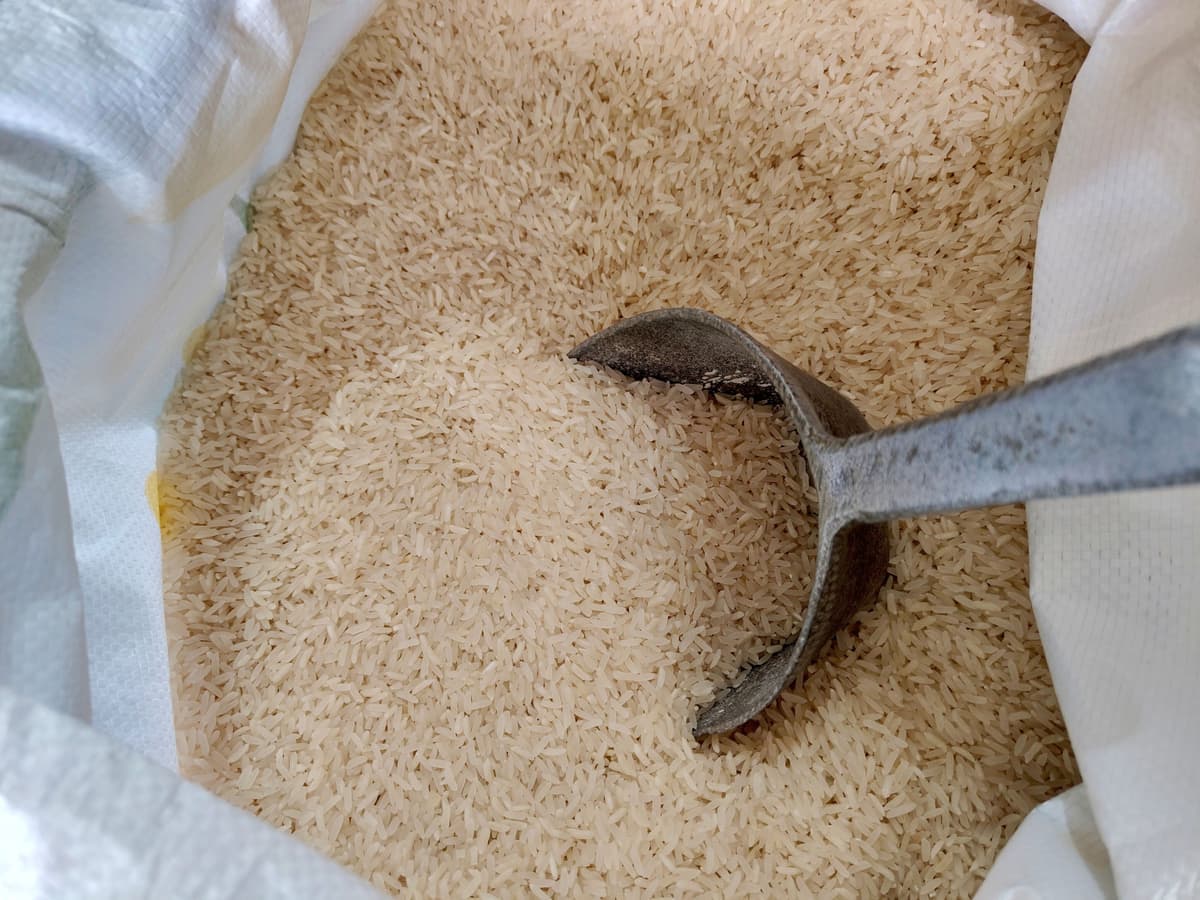
Black oil sunflower has the widest appeal and is the default. Safflower suits cardinals and deters most squirrels. Nyjer is for finches only. Peanuts bring woodpeckers and jays. Milo, red millet and cracked corn are fillers that most feeder birds will not eat.
Seed & Sprig earns a commission when you buy through the links on this page, at no extra cost to you. It does not change which products we pick or the order we put them in — here is how we pick and here is how we are funded.
A bag of bird seed is a mixture of things with wildly different value to a bird. Learning eight names is enough to read any panel in the shop and know within ten seconds whether it is worth buying.
The seeds worth buying
Black oil sunflower
The default. A thin shell most birds can crack, high oil content, and the broadest appeal of any single seed — Project FeederWatch names cardinals, chickadees, finches and sparrows as favoring it. Wagner's publishes 14% protein and 24% fat for its single-ingredient bag.
Eaten by: almost everything at a feeder. Downside: hulls under the feeder.
Striped sunflower
Bigger, with a thicker shell. Cardinals, jays and grosbeaks manage it; small birds struggle. Sometimes recommended as a way to exclude house sparrows and starlings, which it partly does — along with anything else with a small bill.
Safflower
A small white seed with a hard shell. Cardinals, house finches, chickadees and titmice eat it; most squirrels and many grackles do not. Wagner's publishes 17% protein and 25% fat. The squirrel effect is a tendency, not a rule — the honest version is here.
Nyjer (thistle)
Tiny, black, oil-rich, imported, and expensive. Project FeederWatch credits it with attracting American Goldfinch, Pine Siskin and Common Redpoll. It needs a narrow-port feeder or it pours straight onto the ground, and it goes stale faster than anything else on this page. Buy small bags: detail here.
Peanuts
Shelled or in-shell, and the fastest way to bring in woodpeckers, jays, titmice and nuthatches. Also the most squirrel-attractive thing you can hang up, so they need a mesh feeder and preferably a mechanism. See peanut feeders. Keep them dry — damp peanuts spoil and can grow mold, which is genuinely dangerous.
Suet
Not a seed, but it belongs in this list because it is the other thing your feeder station should carry from October. Rendered fat, often with seed, nuts or mealworms in it. Highest energy per gram of anything you can offer. See suet and suet cakes.
The three fillers
Milo (sorghum). Round and reddish-brown. Project FeederWatch says plainly that it is “not a favorite of most birds, and the seed often goes to waste,” and that in the east it is best to avoid mixes with large amounts of it. It is cheap and it adds weight, which is exactly why it is in the bag.
Red millet. White proso millet is genuinely eaten by ground-feeding birds — juncos, doves and sparrows. Red millet is the cheaper relative and mostly gets left.
Cracked corn. Eaten by doves, jays and ground feeders, so it is not useless — but in a hanging feeder it mostly gets flicked out, and it absorbs damp faster than anything else in the bag, which is how a feeder starts growing mold.
Reading a bag in ten seconds
- Turn it over.
- Read the first three ingredients.
- If any of milo, red millet or cracked corn appears there, put it down.
- Check the fat percentage. Under about 20% means you are buying a lot of filler.
Seed decides which feeder you need
| Seed | Feeder it needs | Who turns up |
|---|---|---|
| Black oil sunflower | Tube or hopper | Chickadees, finches, titmice, nuthatches, cardinals on a perch rail |
| Striped sunflower | Platform or hopper | Cardinals, jays, grosbeaks |
| Safflower | Hopper or tube | Cardinals, house finches, chickadees, titmice |
| Nyjer | Narrow-port finch feeder | Goldfinches, siskins, redpolls |
| Peanuts | Mesh peanut feeder | Woodpeckers, jays, titmice, nuthatches |
| Mealworms | Shallow dish | Bluebirds, wrens, robins |
What we would buy for this
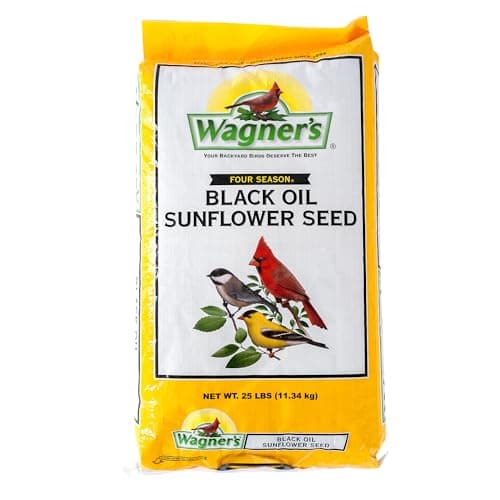
#1 · The default seed
Wagner's Black Oil Sunflower Seed
Wagner's · The first bag of seed you should buy
One hundred percent black oil sunflower with nothing else in the bag, which is the seed the widest range of feeder birds actually eats, at the lowest cost per bird you will find.
Published specifications
- Ingredients
- 100% black oil sunflower
- Crude protein
- 14.0% min
- Crude fat
- 24.0% min
- Crude fiber
- 35.0% max
- Moisture
- 15.0% max
What it does well
- One ingredient, so there is nothing in the bag birds will throw on the ground
- Cardinals, chickadees, finches and sparrows all take it
- The cheapest way to fill a feeder that birds will actually empty
What it does not
- The hulls make a mess under the feeder and can kill the grass
- Squirrels like sunflower as much as birds do
Specifications above come from the manufacturer's own published listing: Wagner's Four Season black oil sunflower published analysis, Project FeederWatch — seed preferences.
#ad How we are funded · Price as of October 22, 2026
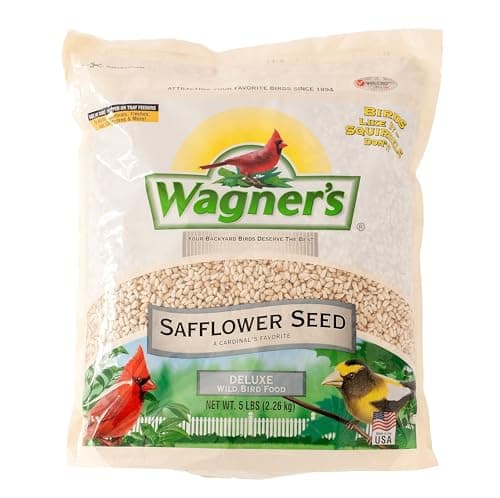
#2 · The cardinal seed
Wagner's Safflower Seed
Wagner's · Cardinals, when squirrels have taken over
A single-ingredient seed cardinals and finches take readily and squirrels usually leave alone, which is the closest thing to a no-hardware squirrel answer, with an honest caveat.
Published specifications
- Ingredients
- 100% safflower seed
- Crude protein
- 17.0%
- Crude fat
- 25.0%
- Crude fiber
- 32.0%
- Moisture
- 13.0%
What it does well
- Cardinals, house finches, chickadees and titmice all eat it
- Most squirrels prefer sunflower and will move on if safflower is all there is
What it does not
- 'Squirrels do not like safflower' is a tendency, not a law — hungry squirrels eat it
- Costs more per pound than black oil sunflower and attracts fewer species
Specifications above come from the manufacturer's own published listing: Wagner's safflower published analysis.
#ad How we are funded · Price as of October 22, 2026
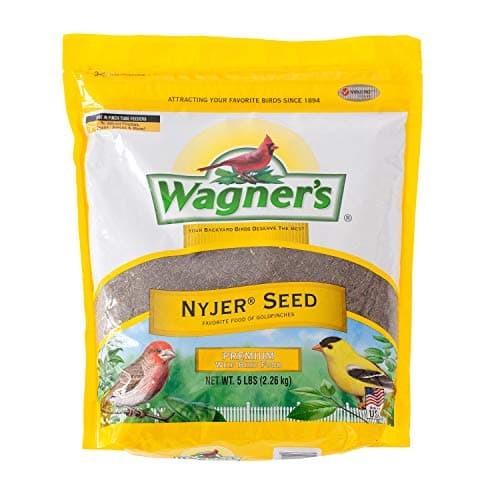
#3 · The finch seed
Wagner's Nyjer Seed
Wagner's · Goldfinches and nothing else
Straight nyjer, which is the only thing a finch feeder should ever be filled with. Buy the smallest bag that suits your traffic, because it goes stale.
Published specifications
- Ingredients
- 100% nyjer seed
- Crude protein
- 13.5% min
- Crude fat
- 8.0% min
- Crude fiber
- 7.0% max
- Moisture
- 15.0% max
- Ash
- 4.25% max
What it does well
- The seed that reliably brings in American Goldfinch, Pine Siskin and Common Redpoll
- Too small for most other birds, so a nyjer feeder stays a finch feeder
What it does not
- Expensive per pound and it dries out; old nyjer is the most common reason a finch feeder sits ignored
- Needs its own narrow-port feeder or most of it lands on the ground
Specifications above come from the manufacturer's own published listing: Wagner's nyjer published analysis, Project FeederWatch — nyjer and finches.
#ad How we are funded · Price as of October 22, 2026
Common questions
What is black oil sunflower seed?
A small, thin-shelled, high-oil sunflower seed. It is the most widely offered seed in North America and the one with the broadest appeal among feeder birds.
How do I buy bird seed?
Read the ingredient panel, not the front of the bag. Avoid milo, red millet and cracked corn in the first three ingredients, and buy roughly a month at a time so it stays fresh.
How do I keep bird seed from sprouting under the feeder?
Use hulled or shell-free seed. Seed without its shell cannot germinate, so nothing grows under the feeder. See the patch under the feeder for the full set of fixes.
What bird seed do cardinals like?
Black oil sunflower, striped sunflower and safflower — and they need somewhere to stand, which usually means a platform tray or a hopper with a perch rail.