Bird Seed
The patch under the feeder, and how to stop it
Dead grass, then volunteer sunflowers. Both have the same cause and the same short list of fixes.
By Scooter M. · Published · Last updated
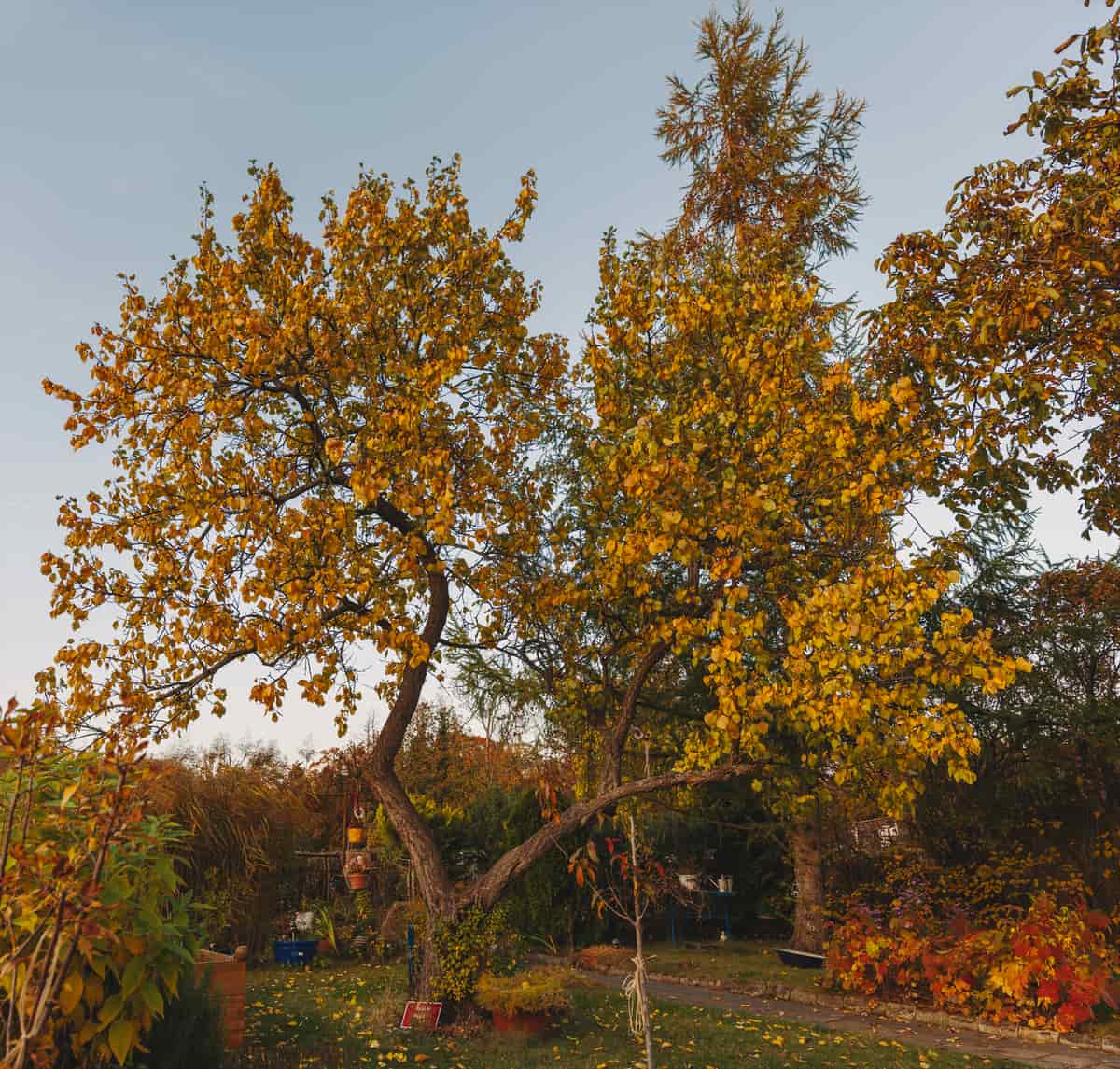
Seed with its hull intact germinates when it lands on soil. The fixes, in order of how well they work: switch to hulled seed, which cannot sprout; fit a catch tray; move the feeder onto a hard surface or mulch; and clear spilled seed before it has time to root.
Seed & Sprig earns a commission when you buy through the links on this page, at no extra cost to you. It does not change which products we pick or the order we put them in — here is how we pick and here is how we are funded.
It happens in the same order every time. First the grass under the feeder thins and goes yellow. Then, a few weeks later, a crop of unfamiliar seedlings comes up through it — usually sunflower, sometimes millet, occasionally something you cannot identify at all.
Both stages have the same cause, and it is not a disease and not the birds. It is seed. Every hull that gets flicked out of a feeder lands on soil, and a seed on soil is a seed planted.
What is actually happening
Two separate things, which is why people often fix one and stay annoyed about the other.
The dead patch is mostly the hulls. A carpet of sunflower shells smothers grass, blocks light, and holds damp against the crowns. Sunflower hulls are also widely reported to suppress other plants growing through them, which is why the bare ring under a long-standing feeder is so sharply defined.
The seedlings are whole seeds that were never eaten — spilled during refills, kicked out by birds sorting through a mix, or dropped by squirrels. Anything with its shell on can germinate. Anything hulled cannot, which is the whole basis of the best fix on this page.
The four fixes, ranked
| Fix | Stops sprouting | Stops the dead patch | Cost |
|---|---|---|---|
| Switch to hulled seed | Completely | Yes — no hulls at all | Higher per pound |
| Fit a catch tray | Mostly | Mostly | One-off, modest |
| Move onto mulch or hard standing | No — relocates it | Yes, where it matters | Free |
| Rake and clear the ground | Partly | Partly | Free, but weekly |
1. Hulled seed, which ends it
Seed with the shell removed cannot germinate. That is not a marketing claim, it is botany, and it makes hulled seed the only fix on this list that solves the problem rather than managing it. It also removes the hull carpet, because there are no hulls, so both symptoms go at once.
The cost is real. Hulled seed is more expensive per pound and it spoils faster, because the shell was doing a protective job as well as a structural one. Put out smaller amounts and expect to refill more often in damp weather. The no-mess arithmetic — including why it is cheaper per edible pound than it looks is worth reading before you decide.
If you go this way, buy a genuinely filler-free hulled mix rather than a cheap one. A hulled bag full of corn and millet is pre-shelled filler, and while it will not sprout, plenty of it still ends up on the ground.
2. A catch tray, which is the cheap version
A screened tray mounted under the feeder intercepts most of what gets flicked out before it reaches soil. It does not catch everything — wind and enthusiastic birds beat it — but it converts a spreading problem into a contained one you can tip out and rinse.
It has a second benefit worth more than the first: it keeps seed off the ground overnight, which is the single biggest factor in whether a feeder attracts rodents. That mechanism is covered here. A tray has to be emptied though — a tray left full of wet seed is worse than no tray. Feeders with built-in trays are compared here.
3. Move the feeder, which relocates the problem
If the feeder hangs over mulch, gravel, paving or a bed rather than lawn, the dead patch stops mattering. Seedlings still come up in mulch, but pulling a dozen sunflower seedlings out of a bed takes a minute and looks like gardening rather than damage.
Do not move it far enough to break the placement that was working. FeederWatch asks for feeders close to natural cover such as trees or shrubs, roughly ten feet from dense branches, and a feeder relocated onto a patio in the open may go quiet for a while. The placement rules are here, and they outrank lawn tidiness.
The other half of this fix is rotation. Moving a feeder a few feet each season stops any one patch taking the full load, which is also good hygiene — the ground under a long-established feeder accumulates droppings as well as hulls.
4. Clearing the ground, which you should do anyway
Rake up spilled seed and hulls regularly and most of the problem never establishes. This is the fix that costs nothing and gets skipped, and it is also the one that FeederWatch's hygiene guidance effectively assumes you are doing — cleaning every week or two applies to the station, not only the feeder. The full cleaning routine is here.
Two practical notes. Do not compost the sweepings if you would rather not grow sunflowers in the compost heap. And clear before rain rather than after, because seed that has been wet for a week is already rooting.
What about sterilized or no-grow seed?
Heat-treated seed sold as no-grow does exist, and where a manufacturer states the seed has been treated so that it will not germinate, that claim does what it says. We have not put a specific bag in the picks above because we have not verified the published treatment details of one, and this site does not name a product it has not read the manufacturer's own listing for.
In practice a hulled bag achieves the same outcome, is widely available, and is easier to verify from the ingredient panel — which is why it is our recommendation here.
If it is already a bare ring
Rake off the hull layer, which is doing most of the smothering. Then either reseed the grass and move the feeder for a season while it establishes, or accept the patch and put mulch or a paving slab under the feeder deliberately. The second option is what most people end up doing, and there is no shame in it — a feeder gets used every day and lawn under it was always going to lose.
Is any of this bad for the birds?
The sprouting itself is not. Seedlings under a feeder are a gardening annoyance, not a hazard, and nothing about a sunflower seedling harms a bird.
What sits underneath the sprouting is a different question and it is the one worth taking seriously. The same conditions that germinate seed — damp, warm, undisturbed, in contact with soil — are the conditions that grow mold on the seed that does not germinate. Spoiled seed and accumulated droppings on the ground under a feeder are a genuine disease route, which is why FeederWatch's hygiene guidance covers the station rather than just the hardware, asking for cleaning every week or two and more often in wet weather.
So the useful reframing is that clearing the ground is a hygiene job that happens to fix your lawn, rather than a lawn job. If you do only one thing on this page, do that one. The full hygiene routine is here.
What a season looks like
Knowing the sequence helps, because each stage has a cheaper intervention than the one after it.
| Stage | What you see | Cheapest fix at this point |
|---|---|---|
| Weeks 1-3 | A scatter of hulls | Rake occasionally |
| Weeks 4-8 | A mat of hulls, grass thinning | Rake properly, consider a tray |
| Weeks 8-12 | Bare ring, first seedlings | Tray plus hulled seed |
| Next season | Established bare patch | Move the feeder or mulch under it |
The reason to intervene early is that the last row is the only one that costs real effort. A rake and ten minutes a fortnight from the start keeps you permanently in the first row, and switching to hulled seed skips the table entirely.
What we would buy for this
#1 · The fix that actually ends it
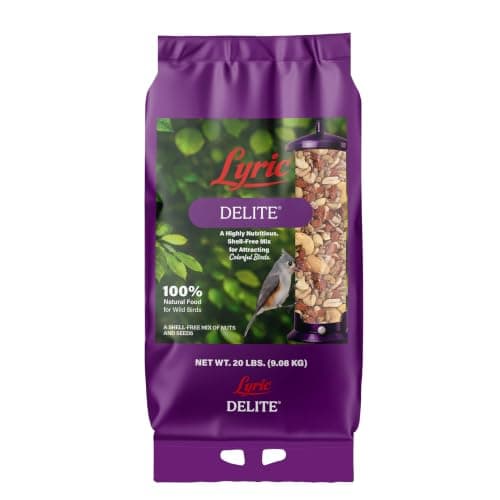
Lyric Delite No Waste Mix
Lyric · The genuinely filler-free no-mess bag
Shelled peanuts, sunflower kernels, pecans, pistachios and pumpkin seed: an expensive bag with no corn, no millet and nothing that ends up on the ground.
Published specifications
- Ingredients
- Shelled peanuts, sunflower kernels, pecans, pistachios, shelled pumpkin seed
- Crude protein
- 20% min
- Crude fat
- 35% min
- Crude fiber
- 10% max
- Moisture
- 12% max
What it does well
- No corn, no millet, no milo — nothing in the bag is filler
- Shell-free seed will not sprout under the feeder
- The highest fat content of any mix here, which matters in cold weather
What it does not
- Expensive per pound, though far less of it is wasted
- Nut-heavy mixes are exactly what squirrels want most
Specifications above come from the manufacturer's own published listing: Lyric Delite published ingredients and analysis.
#ad How we are funded · Price as of October 22, 2026
#2 · Cheaper hulled option
Kaytee Waste Free Blend
Kaytee · Patios and decks where hulls are not acceptable
A hulled blend with no sunflower shells, so nothing is dropped on the patio, but read the ingredient list, because it still contains cracked corn and millet.
Published specifications
- Ingredients
- Hulled sunflower, cracked corn, millet, canary grass seed, peanuts, calcium carbonate
- Crude protein
- 12.5% min
- Crude fat
- 23.5% min
- Crude fiber
- 7.0% max
- Moisture
- 12.0% max
What it does well
- No shells means no hull carpet under the feeder
- Everything in the bag is edible, so a pound goes further than a pound of in-shell seed
What it does not
- Cracked corn and millet are the two ingredients ground-feeding birds scatter and others ignore
- Hulled seed spoils faster in damp weather because no shell is protecting it
Specifications above come from the manufacturer's own published listing: Kaytee Waste Free Blend published ingredients and analysis.
#3 · Best catch tray
Nature's Way Cedar Platform Tray Feeder (CWF3)
Nature's Way · Cardinals, jays, doves and anything that will not use a tube
An open cedar tray with a removable screen bottom, which is the honest answer for the big ground-feeding birds a tube feeder quietly excludes.
Published specifications
- Dimensions
- 12" x 12" x 2.25"
- Capacity
- 3 quarts
- Materials
- Premium cedar, stainless steel screws, powder-coated galvanized steel seed tray
- Drainage
- Removable screen tray for drainage and airflow
What it does well
- Cardinals and jays use it immediately; they often will not use a small tube port
- The screen bottom drains, which is the difference between a tray and a puddle
- Nothing to break, and it cleans in a minute
What it does not
- Completely open to squirrels, so this one belongs on a baffled pole or nowhere
- Seed is exposed to rain even with drainage, so put out small amounts
Specifications above come from the manufacturer's own published listing: Nature's Way CWF3 published specifications.
Common questions
How do I keep bird seed from sprouting under the feeder?
Use hulled seed. Seed with the shell removed cannot germinate, so nothing comes up. A catch tray, moving the feeder onto mulch and raking the ground regularly all help but do not fully solve it.
Why is my grass dying under the bird feeder?
Mostly the hull carpet, which smothers grass and holds damp against it. Droppings and constant traffic add to it. Rake the hulls off and either reseed with the feeder moved, or put mulch or paving under it.
What is growing under my bird feeder?
Usually sunflower, sometimes millet — whole seeds that were spilled or discarded and then germinated. If it came out of your feeder, it can grow.
Does a seed catcher tray stop sprouting?
It catches most of what would otherwise reach soil, so it reduces it a great deal without ending it. Empty it regularly — a tray full of wet seed is worse than none.