Bird Seed
Bird seed without fillers, and how to spot the fillers
The cheap bag is not cheap. You are buying weight that ends up on the ground.
By Scooter M. · Published · Last updated
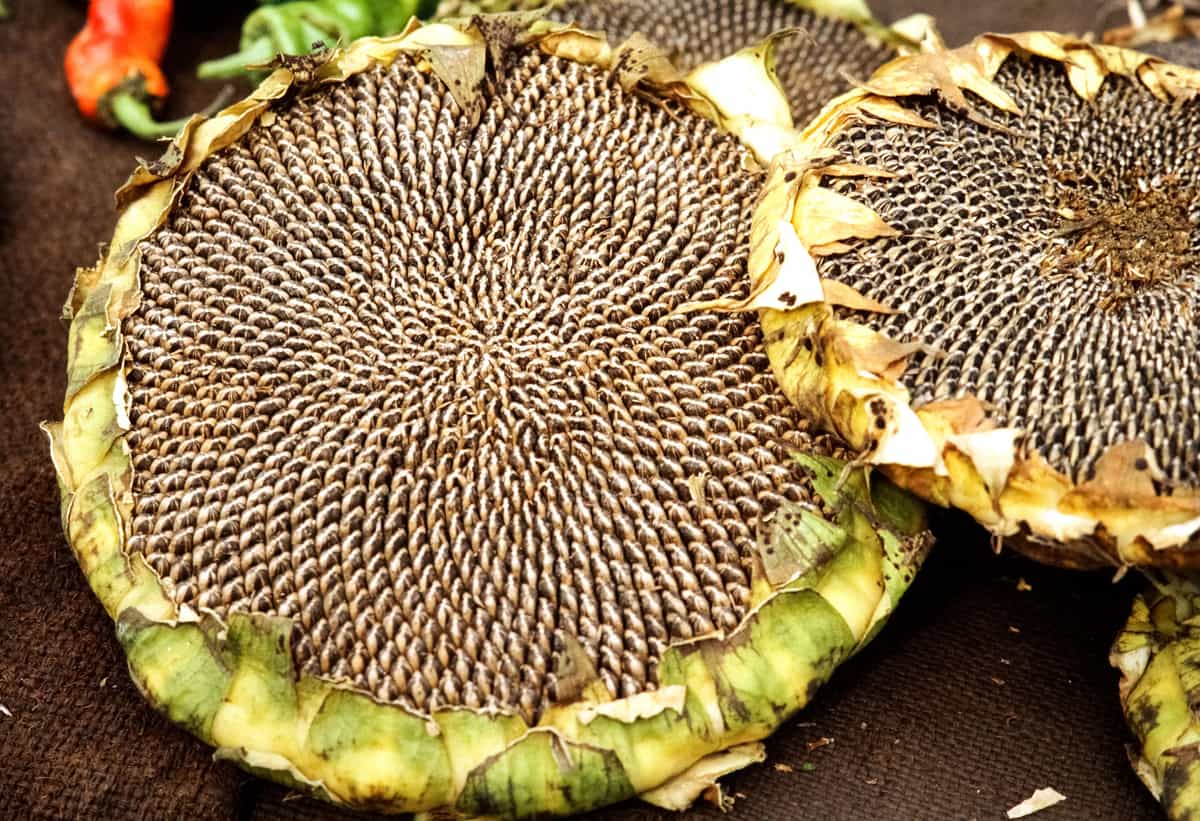
Fillers are seeds most feeder birds will not eat: milo, red millet and large amounts of cracked corn. Project FeederWatch says milo is not a favorite of most birds. Buy a single-ingredient bag, or a mix whose panel lists no milo and no corn, and judge cost per edible pound.
Seed & Sprig earns a commission when you buy through the links on this page, at no extra cost to you. It does not change which products we pick or the order we put them in — here is how we pick and here is how we are funded.
Quick picks
| # | Product | Best for | Price |
|---|---|---|---|
| 1 | 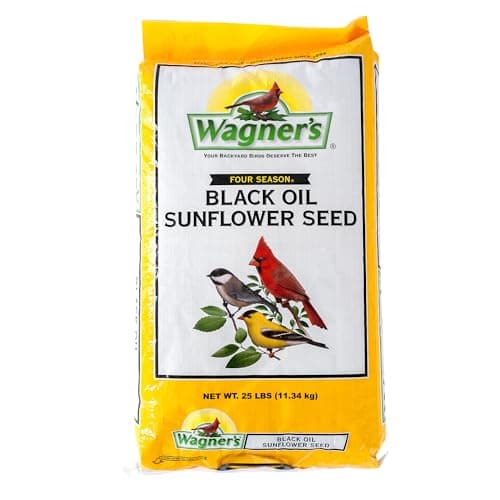 Wagner's Black Oil Sunflower Seed One ingredient. Nothing in the bag can be thrown out because there is nothing else in it. | Best filler-free bag overall | $41.98 · View on Amazon #ad How we are funded · Price as of October 22, 2026 |
| 2 | 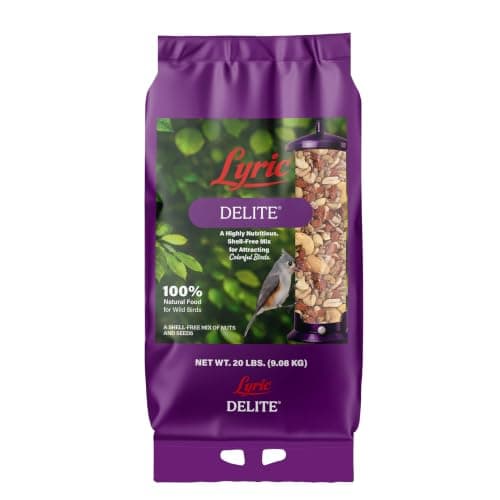 Lyric Delite No Waste Mix Nuts and kernels only — no corn, no millet, no milo, and no shells either. | Best filler-free mix | $49.07 · View on Amazon #ad How we are funded · Price as of October 22, 2026 |
| 3 | 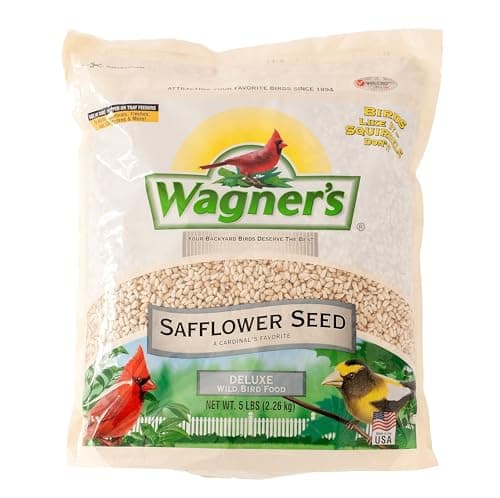 Wagner's Safflower Seed 100% safflower. Fewer species take it, but every ounce of it is food. | Best single-ingredient alternative | $11.98 · View on Amazon #ad How we are funded · Price as of October 22, 2026 |
| 4 | 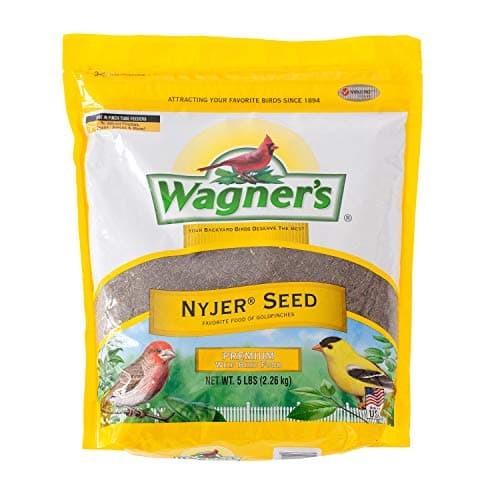 Wagner's Nyjer Seed One seed, one job. Nyjer in a mixed bag is nyjer you are wasting. | Best for a finch feeder | $18.73 · View on Amazon #ad How we are funded · Price as of October 22, 2026 |
Rows link to the full write-up further down this page. The price button goes to Amazon.
Every bird seed aisle has a bag that costs about a third of what the good bag costs. It is heavy, it is cheerful, and it has a cardinal on the front. Most people buy it once, watch the birds spend a week flicking two-thirds of it onto the grass, and never quite work out what went wrong.
What went wrong is on the ingredient panel, and it takes four seconds to check. This page is how to read it.
The three fillers
Filler is not a legal term and it is not printed on any bag. It is what feeder-watchers call the seeds that go in to add weight and come out on the ground.
| Ingredient | What it actually does | Verdict |
|---|---|---|
| Milo (sorghum) | FeederWatch: often a major component of inexpensive seed mixes, and not a favorite of most birds. | Avoid. The clearest filler there is. |
| Cracked corn | FeederWatch: attracts doves, quail and sparrows. | Fine on purpose, wasteful by accident. |
| Red millet | White millet is genuinely eaten by ground-foraging birds; the red is largely left. | Avoid in quantity. |
| Black-oil sunflower | FeederWatch: among the favorite feeder foods of cardinals, chickadees, finches and sparrows. | This is what you are trying to buy. |
Note the middle row, because it is the one people get wrong in both directions. Cracked corn is not poison and it is not a scam. It is a real food for a real set of birds. It is only filler when you did not want doves and sparrows and are paying sunflower prices for it.
The arithmetic that actually matters
Price per pound is the wrong number. The number that decides whether a bag was good value is cost per pound of seed that gets eaten, and it moves a long way.
Work it in two steps. First, estimate the share of the bag your birds will actually take — for a mix that leads with milo and corn, watching what accumulates under the feeder for a week will tell you honestly, and the answer is often around half. Second, divide the bag price by that fraction of its weight. A bag at a third of the price that delivers a third of its weight as food has not saved you anything, and it has bought you a patch of dead grass and a rodent problem as well.
We publish the formula rather than a made-up monthly figure — the inputs are your feeder, your refill rate and your local prices, and none of those are ours to guess.
Filler-free is not the same as no-mess
These two claims get conflated on packaging and they are different things.
Filler-free is a claim about whether the contents are food your birds want. A bag of straight black-oil sunflower is completely filler-free and still leaves a carpet of hulls under the feeder, because the shell is not filler — it is packaging the bird removes itself.
No-mess is a claim about hulls. A hulled mix drops no shells and can still be full of corn and millet, in which case you have paid a premium to have your filler pre-shelled. The no-mess comparison goes through that trap in full.
The bag worth paying for is the one that is both, and there is exactly one honest way to check: read the panel. A genuinely filler-free no-mess mix lists kernels and nuts and stops.
How to read a panel in four seconds
- Ingredients are listed by weight. Whatever is first is most of the bag.
- Look for milo or sorghum anywhere in the first three. If it is there, put the bag down.
- Corn or millet first means it is a ground-feeder mix, whatever the picture on the front says. Buy it only if doves and sparrows are the plan.
- A single-ingredient bag has nothing to hide and is almost always the better first purchase.
The guaranteed analysis panel is worth a glance too, though it is less decisive than people assume. Fat percentage is a reasonable proxy for cold-weather value — straight black-oil sunflower publishes 24% minimum fat, and a nut-based no-waste mix publishes 35% — but a high figure on a bag full of corn tells you the corn is oily, not that the birds want it.
What we would actually buy
For a first bag, straight black-oil sunflower, every time. It is the cheapest genuinely filler-free option, it covers the widest range of birds, and there is no panel to read because there is one ingredient. Our full seed roundup compares the bags side by side.
If hulls are the problem — a deck, a patio, a small yard — pay the premium for a genuinely filler-free hulled mix rather than a cheap hulled one, and expect to buy less of it. If squirrels are the problem, straight safflower is the single-ingredient answer, with the honest caveat here. And keep nyjer in its own feeder rather than buying it inside a mix, because nyjer in a general mix is nyjer on the ground.
One thing a filler-free bag will not fix
If your feeder is being ignored entirely, fillers are probably not the cause. Stale seed, bad placement and simple newness account for most quiet feeders, and a better bag does not address any of them. Work through the empty-feeder checklist first — then upgrade the seed, so you can tell which change did the work.
Where you live changes the answer slightly
Not by much, but by enough to mention. FeederWatch's guidance on milo is regional as well as general: as well as noting that it is not a favorite of most birds, it advises that in the east it is best to avoid mixes with large amounts of milo. The implication is that milo has more takers in parts of the west, where some ground-feeding species do eat it.
For almost everyone reading this, that changes nothing — a mix built on milo is still a poor buy east of the Rockies, and straight sunflower is still the better default everywhere. But it is a useful reminder that filler is defined by which birds are actually in your yard, not by the seed itself. The same bag can be waste in one state and reasonable value in another.
The practical test costs nothing and beats any general rule: put out a small amount of a mix and look underneath the feeder a week later. Whatever is lying on the ground is what your birds have decided is filler, and that is the only ruling that matters.
Mixing your own
It works, it is cheaper than a premium mix, and it is the logical end point of everything above. Buy straight black-oil sunflower as the base, and add whatever your yard has demonstrated it will eat — safflower if cardinals are the priority, shelled peanuts for the clinging birds, a little white millet if you have juncos and doves.
Two cautions. Keep nyjer out of it entirely: it belongs in a narrow-port feeder and in a general mix it goes straight through and onto the ground. Nyjer is a single-purpose seed. And buy in quantities you can store properly, because the saving disappears the moment a sack goes moldy — storage is here.
For most people a single-ingredient bag is still the better answer, because it needs no mixing, no storage juggling and no decisions. Mixing your own is worth it when you are running three or four feeders and buying in bulk anyway.
The picks in full
#1 · Best filler-free bag overall
Wagner's Black Oil Sunflower Seed
Wagner's · The first bag of seed you should buy
One hundred percent black oil sunflower with nothing else in the bag, which is the seed the widest range of feeder birds actually eats, at the lowest cost per bird you will find.
Published specifications
- Ingredients
- 100% black oil sunflower
- Crude protein
- 14.0% min
- Crude fat
- 24.0% min
- Crude fiber
- 35.0% max
- Moisture
- 15.0% max
What it does well
- One ingredient, so there is nothing in the bag birds will throw on the ground
- Cardinals, chickadees, finches and sparrows all take it
- The cheapest way to fill a feeder that birds will actually empty
What it does not
- The hulls make a mess under the feeder and can kill the grass
- Squirrels like sunflower as much as birds do
Specifications above come from the manufacturer's own published listing: Wagner's Four Season black oil sunflower published analysis, Project FeederWatch — seed preferences.
#ad How we are funded · Price as of October 22, 2026
#2 · Best filler-free mix
Lyric Delite No Waste Mix
Lyric · The genuinely filler-free no-mess bag
Shelled peanuts, sunflower kernels, pecans, pistachios and pumpkin seed: an expensive bag with no corn, no millet and nothing that ends up on the ground.
Published specifications
- Ingredients
- Shelled peanuts, sunflower kernels, pecans, pistachios, shelled pumpkin seed
- Crude protein
- 20% min
- Crude fat
- 35% min
- Crude fiber
- 10% max
- Moisture
- 12% max
What it does well
- No corn, no millet, no milo — nothing in the bag is filler
- Shell-free seed will not sprout under the feeder
- The highest fat content of any mix here, which matters in cold weather
What it does not
- Expensive per pound, though far less of it is wasted
- Nut-heavy mixes are exactly what squirrels want most
Specifications above come from the manufacturer's own published listing: Lyric Delite published ingredients and analysis.
#ad How we are funded · Price as of October 22, 2026
#3 · Best single-ingredient alternative
Wagner's Safflower Seed
Wagner's · Cardinals, when squirrels have taken over
A single-ingredient seed cardinals and finches take readily and squirrels usually leave alone, which is the closest thing to a no-hardware squirrel answer, with an honest caveat.
Published specifications
- Ingredients
- 100% safflower seed
- Crude protein
- 17.0%
- Crude fat
- 25.0%
- Crude fiber
- 32.0%
- Moisture
- 13.0%
What it does well
- Cardinals, house finches, chickadees and titmice all eat it
- Most squirrels prefer sunflower and will move on if safflower is all there is
What it does not
- 'Squirrels do not like safflower' is a tendency, not a law — hungry squirrels eat it
- Costs more per pound than black oil sunflower and attracts fewer species
Specifications above come from the manufacturer's own published listing: Wagner's safflower published analysis.
#ad How we are funded · Price as of October 22, 2026
#4 · Best for a finch feeder
Wagner's Nyjer Seed
Wagner's · Goldfinches and nothing else
Straight nyjer, which is the only thing a finch feeder should ever be filled with. Buy the smallest bag that suits your traffic, because it goes stale.
Published specifications
- Ingredients
- 100% nyjer seed
- Crude protein
- 13.5% min
- Crude fat
- 8.0% min
- Crude fiber
- 7.0% max
- Moisture
- 15.0% max
- Ash
- 4.25% max
What it does well
- The seed that reliably brings in American Goldfinch, Pine Siskin and Common Redpoll
- Too small for most other birds, so a nyjer feeder stays a finch feeder
What it does not
- Expensive per pound and it dries out; old nyjer is the most common reason a finch feeder sits ignored
- Needs its own narrow-port feeder or most of it lands on the ground
Specifications above come from the manufacturer's own published listing: Wagner's nyjer published analysis, Project FeederWatch — nyjer and finches.
#ad How we are funded · Price as of October 22, 2026
Common questions
What are fillers in bird seed?
Seeds added to a mix that most feeder birds will not eat — principally milo, red millet and large amounts of cracked corn. Project FeederWatch notes that milo is often a major component of inexpensive seed mixes and is not a favorite of most birds.
What is the best bird seed without fillers?
Straight black-oil sunflower for most yards — one ingredient, nothing to waste. If you also need no hulls, a kernel-and-nut mix with no corn or millet on the panel is the filler-free no-mess option.
Is cracked corn a filler?
Only if you did not want the birds it feeds. FeederWatch says cracked corn attracts doves, quail and sparrows. It is a real food, and it is waste when you are paying sunflower prices for it.
Is cheap bird seed a false economy?
Usually. Judge cost per edible pound rather than per pound: a bag at a third of the price that delivers a third of its weight as food has saved you nothing and left the rest on your lawn.